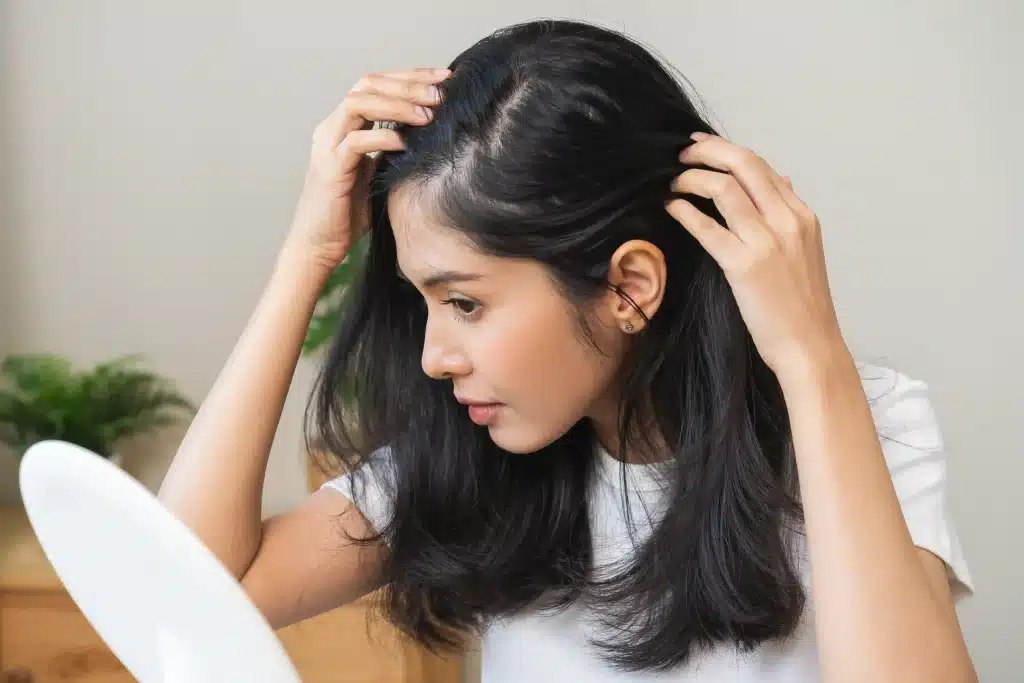
Having an itchy scalp is never fun — it’s frustrating, uncomfortable, and can even take a toll on your self-esteem. Thankfully, by understanding what causes an itchy scalp, we can take steps to treat and soothe it effectively.
Whether it’s due to overactive sebaceous glands or hormones, there are targeted solutions to restore scalp health and reduce inflammation. In this article, we’ll dive into the various reasons for an itchy scalp, the science behind them, and what we can do about it.
The Biology of Itch (Pruritus)
Itching, also known as pruritus, refers to the sensation felt on the skin that triggers our urge to scratch. Generally, it is caused by activation of pruriceptors, which are nerve endings in the skin that can be triggered by:
- Histamines
- Dryness
- Chemical irritants
- Infections
- Parasites
- Neurological conditions
Key Triggers of Scalp Itchiness
Triggers for scalp itchiness often lead to an imbalance in the scalp. Identifying these triggers can help determine what treatment would suit you best.
Overactive Sebaceous Glands
Sebaceous glands can be found in the hair follicles, and are responsible for producing sebum — a natural oil that locks in moisture for the scalp. Overactive sebaceous glands can be caused by hormonal imbalances, genetics, diet, stress, scalp care habits, or environmental factors and can lead to the following:
- Excessive oil production — An overproduction of oil can cause an oily scalp, which can contribute to scalp build-up and clog the hair follicles. This, in turn, can lead to complications like infection.
- Seborrheic dermatitis — An overgrowth of Malassezia, a naturally occurring yeast in the scalp, can cause seborrheic dermatitis, causing itching and flaking.
Impaired Skin Barrier
Our skin barrier is responsible for protecting us from external irritants and keeping in moisture and hydration. An impaired skin barrier can cause the following:
- Scalp dryness — An impaired skin barrier cannot retain moisture properly, causing scalp dehydration. This, in turn, can cause skin cracking or
- Increased scalp sensitivity — An impaired skin barrier can cause scalp sensitivity, which feels like pricking burning or tingling sensations on the scalp when in contact with external stressors or harsh products.
Histamine Release
Histamines are chemical compounds released by our body’s immune system as a response to perceived threats to and within the body. When they’re released in response to allergens and bind with histamine receptors, we experience allergy symptoms like itching, inflammation or redness.
The Role of Microbes
Our scalp has its own microbiome, with trillions of diverse microorganisms that play an important role in our scalp health. These microbes help with:
- Protecting the scalp by forming a barrier from harmful pathogens.
- Regulating oil production, hydration and pH levels, ensuring balance.
- Regulating the immune system by promoting healing.
That being said, we can experience scalp itching when there is an imbalance in the microbiome. For example, Malassezia, a naturally occurring yeast in the scalp, can overproliferate due to excess oil production, dirt and debris and/or humid weather.
This can cause several scalp complications:
- Seborrheic dermatitis
- Dandruff
- Inflammation
Hormonal Influence
As with everything in the body, hormones play a huge role in regulating scalp health and scalp function, including oil production, hair growth and inflammation. Hormonal fluctuations or imbalances can cause scalp itching in the following ways:
- Puberty — During puberty, you can experience elevated levels of androgens which, in turn, triggers the sebaceous glands to produce more oil.
- Menstrual cycles — Oestrogen and progesterone levels ebb and flow as we go through our menstrual cycle, causing scalp sensitivity or even excess oil production.
- Pregnancy — During pregnancy, we experience hormonal surges, especially with oestrogen and progesterone. This can affect the sebaceous glands on our scalp, causing drier or oilier scalps.
- Menopause — During menopause, oestrogen levels decline significantly, causing hormonal imbalance. This shift can lead to issues such as scalp dryness, increased sensitivity and itching.
Scalp Sensitivity and Inflammation
Certain scalp conditions lead to inflammation and hence, itching. Some of these include:
- Seborrheic dermatitis — this condition is caused by overactive sebaceous glands that produce excess sebum, leading to an oily scalp and an overgrowth of Malassezia. This, in turn, results in redness, flaking and persistent itching.
- Psoriasis — Psoriasis is a chronic autoimmune condition where the body’s immune system mistakenly attacks our skin cells. This leads to a rapid turnover of skin cells, causing thick and scaly patches that irritate the nerve endings, causing persistent itching.
- Eczema — Eczema, or atopic dermatitis, is often caused by a defective skin barrier and an overactive immune response to allergens or irritants. When triggered, it can lead to dryness and itching.
Environmental Factors
Environmental factors can also contribute to scalp itchiness:
- Dry weather — Dry weather leads to moisture loss in our body, including our scalp. This causes dry, flaky and itchy skin.
- Hot weather — Extremely hot weather can cause us to sweat more, which can lead to scalp irritation and itching. High heat and humidity also creates a perfect environment for fungal growth, triggering conditions such as seborrheic dermatitis.
- Pollution and irritants — Environmental pollutants, such as dust and allergens, can settle on the scalp and cause irritation or allergic reactions.
- Strong winds — Strong winds can strip the scalp of moisture, causing dryness and irritation.
- Temperature shifts — Moving from an extremely warm place to a cool place can shock the skin, causing it to dry out and itch.
Stress
Stress can significantly affect our scalp health and cause itching. Stress-induced inflammation is triggered when our body releases stress hormones, like cortisol, causing inflammation that disrupts the scalp’s natural skin barrier function and causes irritation.
Hair care (harsh shampoos stripping natural oils and causing irritation)
Using harsh shampoos can strip the scalp of its natural oils, leaving it dry and exposed. This can cause irritation, more sebum production and even disrupt the scalp skin’s protective barrier, causing itching.
Improper rinsing can also lead to product build up, and overwashing can dry out the scalp — so it’s important to find a good balance where you wash your hair regularly to keep it clean without causing scalp dehydration.
Treatment
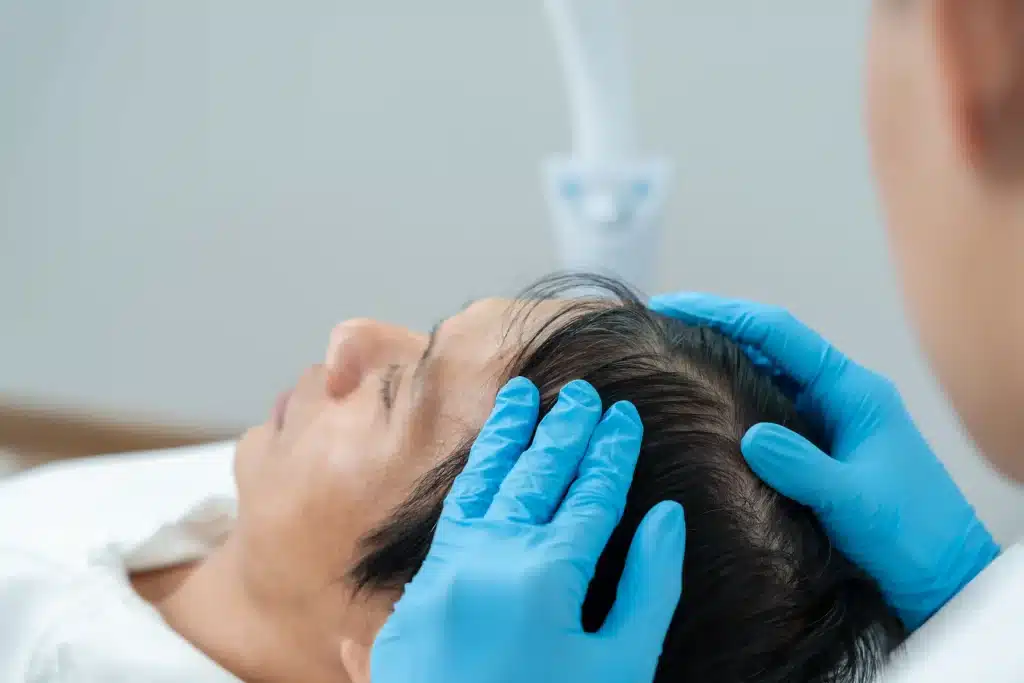
If you often experience a sensitive and itchy scalp, you may benefit from a professional scalp treatment to help restore your scalp’s natural pH balance, soothe any irritation and encourage overall scalp health.
TrichoLab’s Sensitive Reduction Treatment is doctor-designed specially for sensitive and irritated scalps, reducing inflammation and fortifying the scalp’s immune function. It is formulated with niacinamide, vitamin B5, oat protein and green tea extracts that soothe and nourish the scalp.
Get Expert Treatment for Itchy Scalp
TrichoLab Singapore is dedicated to providing tailored hair and scalp treatments to restore balance in the scalp and deeply nourish it. Book a consultation with us for a comprehensive scalp analysis and personalised treatment plan today!