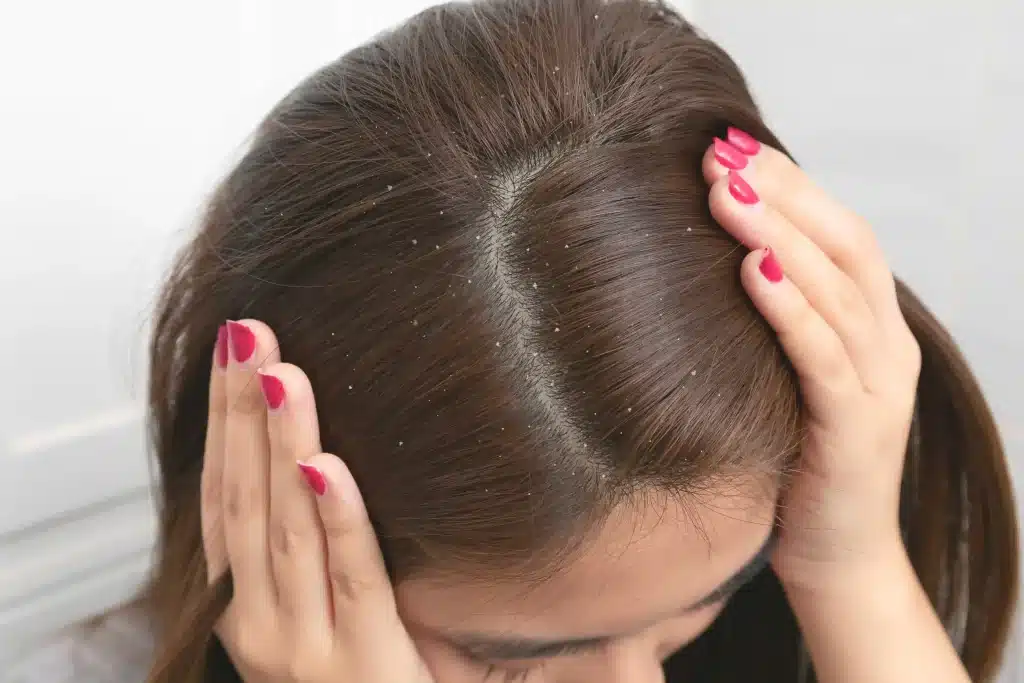
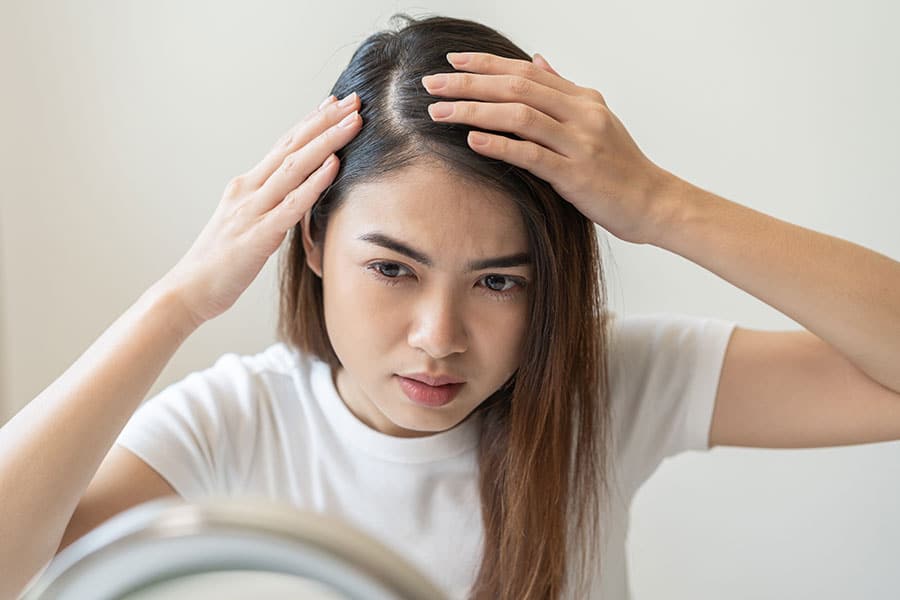
For many people, colouring their hair is a way to refresh their look or express their personality. But what happens when the vibrant results come with an unwelcome guest—an itchy scalp?
If you’ve ever found yourself scratching your head after a dyeing session, you’re not alone. Mild scalp irritation is common after colouring treatment, but you should understand why it happens, when it’s a cause for concern and how to manage it.
Common Causes of Scalp Itching After Dyeing Hair
There are several reasons why your scalp might feel itchy after dyeing your hair. Finding the root cause can point you to the right solution so you can enjoy your new hair colour without discomfort.
Allergic reaction
Paraphenylenediamine (PPD) is frequently used in permanent hair dyes to ensure long-lasting colour. Unfortunately, PPD is also a known allergen, and for some, even a small exposure can lead to significant irritation.
You might see symptoms such as redness, swelling, or a rash when an allergic reaction occurs. In more severe cases, blisters can form, and the itching can become unbearable. If these symptoms sound familiar, please take them seriously. Allergies can escalate quickly, so consulting a medical professional is always a good idea.
Chemical irritation
Hair dyes are a cocktail of chemicals, including ammonia and hydrogen peroxide, all crucial for achieving your desired shade. However, these same ingredients can irritate the scalp, especially if left on too long or applied incorrectly.
Ammonia, for example, works by opening the hair shaft to allow the colour to penetrate, but it can also sting, causing a burning sensation on the skin. Similarly, hydrogen peroxide’s bleaching properties can dry out the scalp, leaving it feeling tight and itchy. Even if you don’t have a full-blown allergy, these chemicals can cause discomfort, especially if you have sensitive skin.
Dryness and sensitivity
Have you ever noticed that your scalp feels unusually tight or flaky after a colouring session? That’s because hair dye can strip away the natural oils that keep your scalp moisturised. This effect can be even more pronounced for people with already dry or sensitive skin.
When your scalp loses its natural protective barrier, it’s more likely to become itchy or irritated. Think of it like chapped lips in the winter—the discomfort only worsens without proper care.
Pre-existing scalp conditions
If you have conditions like eczema, psoriasis, or dandruff, dyeing your hair can exacerbate the problem. These conditions make your scalp more vulnerable, and the added stress of hair dye chemicals can lead to flare-ups.
For example, someone with eczema might experience intense itching and redness after using hair dye, while those with dandruff may notice an increase in flaking.
Understanding your scalp’s baseline health is key to determining how it will react to colouring treatments.
How to Tell If Your Scalp Reaction Is Normal
So, how can you differentiate between a typical post-dye reaction and something more serious? Observing the severity, duration, and type of symptoms can help. Here’s a breakdown of concerning reactions:
Normal reactions
- Mild itching or tingling: A light, temporary sensation that resolves within a few hours or a day.
- Temporary redness: Slight redness on the scalp that fades quickly without spreading or worsening.
- Minor dryness or tightness: A common result of chemical exposure that can be soothed with hydrating treatments.
- Short-lived discomfort: Minor irritation that doesn’t persist or escalate after the dyeing process.
Abnormal reactions
- Severe itching or burning sensation: Intense discomfort that doesn’t subside and worsens over time.
- Swelling, blisters, or hives: Signs of an allergic reaction that can appear shortly after exposure to hair dye.
- Persistent redness or pain: Irritation or tenderness lasting more than 48 hours, potentially indicating a chemical burn.
- Crusting or oozing sores: These could signal a severe allergic reaction or chemical damage to the skin.
- Difficulty breathing or swelling beyond the scalp: These systemic symptoms may indicate anaphylaxis, a medical emergency requiring immediate attention.
Preventing Scalp Itching After Dyeing Hair
Prevention is always better than cure, and there are precautions you can take to reduce the risk of scalp itching before your next dye job.
Perform a patch test
You’ve probably seen the recommendation to do a patch test on the hair dye box, but how many of us actually follow it?
A patch test means applying a small amount of dye to an inconspicuous area of your skin, like behind your ear, at least 48 hours before using the product. This simple step can help you determine any potential allergic reactions before they become a full-blown problem.
Choose safer hair dye options
If you’re prone to scalp sensitivity, consider switching to hypoallergenic dyes or products labelled as PPD-free. Ammonia-free options and natural alternatives like henna are also available, gentler on the scalp. While these options might not offer the same longevity or intensity of colour, they’re safer for sensitive individuals.
Protect the scalp
Before applying dye, protect your scalp using a barrier cream, such as petroleum jelly, along your hairline and ears to create a shield that minimises direct contact with the dye. Additionally, avoid washing your hair immediately before colouring, as natural oils on your scalp can act as a protective layer.
Follow proper aftercare
Post-dye care is just as critical as preparation. Use moisturising shampoos and conditioners for colour-treated hair to restore hydration and reduce dryness. Consider applying a hydrating treatment or soothing fluid (after shower) to calm the skin if your scalp feels irritated.
Get your hair coloured by scalp professionals
Consider colouring your hair at TrichoLab, where our therapists are specially trained in scalp health and preventive care to minimise irritation and avoid flare-ups.
Remedies for an Itchy Scalp After Hair Dyeing
If the itchiness has already set in, don’t worry—there are plenty of remedies to bring relief:
- Rinse your scalp with cool water to reduce inflammation and soothe irritation. Avoid hot water, as it can make dryness worse.
- Use aloe vera gel or coconut oil to moisturise the skin and alleviate itching naturally.
- Use over-the-counter products like hydrocortisone cream or antihistamines if the itching persists.
- Use a soothing fluid to calm sensitivity.
- Switch to a gentle, sulfate-free shampoo to cleanse your scalp without stripping away essential oils.
When to See a Doctor
While most cases of post-dye scalp itching can be managed at home, medical attention is sometimes necessary.
If you experience severe swelling, blisters, or symptoms that don’t improve after a few days, please consult a doctor. They can carry out patch testing to identify specific allergens and recommend alternative solutions for safely colouring your hair.
Itchy Scalp Treatment
If you’ve tried various remedies but still struggle with a persistently itchy scalp after dyeing your hair, consider professional help. TrichoLab’s Hydrating Exfoliating Treatment is designed to soothe hypersensitive scalps and relieve irritation.
This anti-irritant exfoliating treatment features a powerful blend of hyaluronic acid peels and gluconolactone and plant enzymes. Together, they work to clear irritation and dead scalp cells accumulated from constant hair colouring, while ensuring your scalp is adequately moisturised. It also comes with an anti-hair loss ampoule, preventing further hair loss (a common side effect of chemical hair colouring). Whether your discomfort stems from allergies, dryness, or chemical exposure, the Hydrating Exfoliating Treatment provides a targeted solution that helps restore your scalp’s natural balance.
It alleviates immediate discomfort while strengthening your scalp’s resilience, ensuring better protection against future irritants.
A Safer Alternative to DIY Hair Colouring
If you love colouring your hair but don’t want to risk irritation, you don’t have to give it up. Professional hair colouring services are a safer option than DIY colouring. Salons often use high-quality dyes and techniques that minimise irritation, so consider checking out their services if DIY methods aren’t working for you.
Experienced stylists carefully apply products to ensure even coverage while reducing direct contact with your scalp. They also understand the nuances of different hair and skin types, allowing them to personalise their approach to your unique needs.
Is It Safe to Dye My Hair Again If I Once Experienced Itching?
Mild itching after a previous dye job doesn’t necessarily mean you can’t colour your hair again. However, taking precautions is crucial, such as doing a patch test and switching to a gentler product or hair dye service. For severe reactions, consult a doctor before attempting another treatment.
Can Natural Dyes Like Henna or Indigo Cause Scalp Itching?
While natural dyes like henna and indigo are often gentler, they can still cause itching, particularly if mixed with additives or if you’re allergic to the plant compounds. Always check the ingredient label and perform a patch test to ensure they’re safe for your scalp.
How Long Does Scalp Irritation From Hair Dye Usually Last?
The duration of scalp irritation depends on the cause. Mild itching and dryness typically resolve within a day or two, while allergic reactions may take longer and require medical treatment. Using soothing remedies can speed up the recovery process.
Itchy Scalp Treatment by TrichoLab
Colouring your hair is a fun and expressive way to enhance your style, but it doesn’t have to mean dealing with an itchy, uncomfortable scalp. You can achieve beautiful, vibrant hair without discomfort by taking proactive steps or letting professionals do the job.
If you have a persistently itchy scalp, TrichoLab’s Hydrating Exfoliating Treatment can help by soothing post-dye itching and restoring scalp health.
Book an appointment for an itchy scalp treatment today.