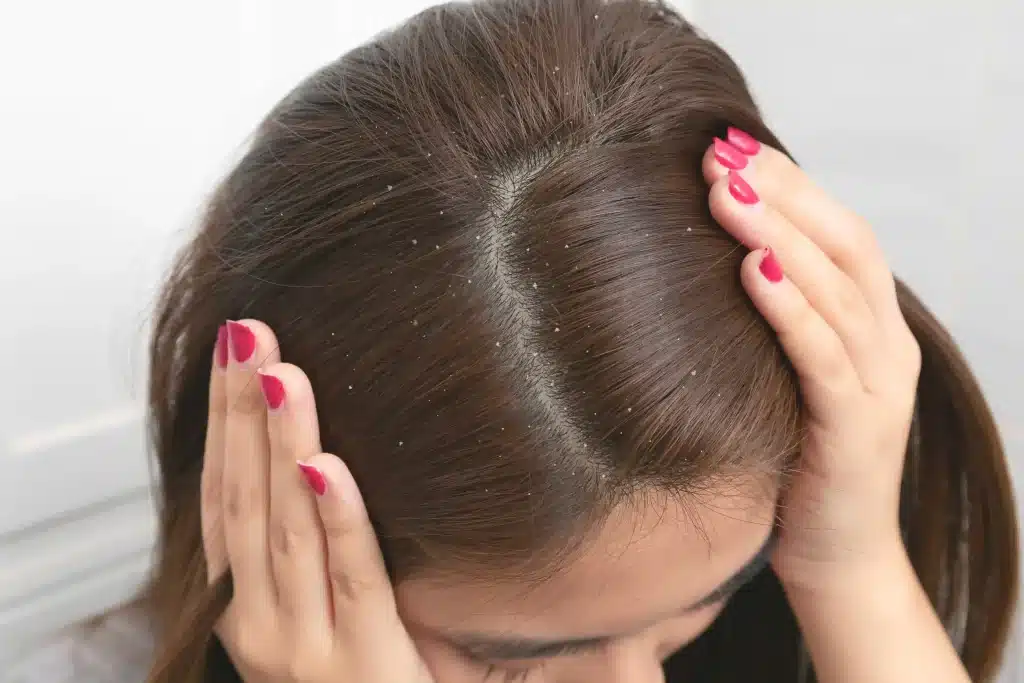
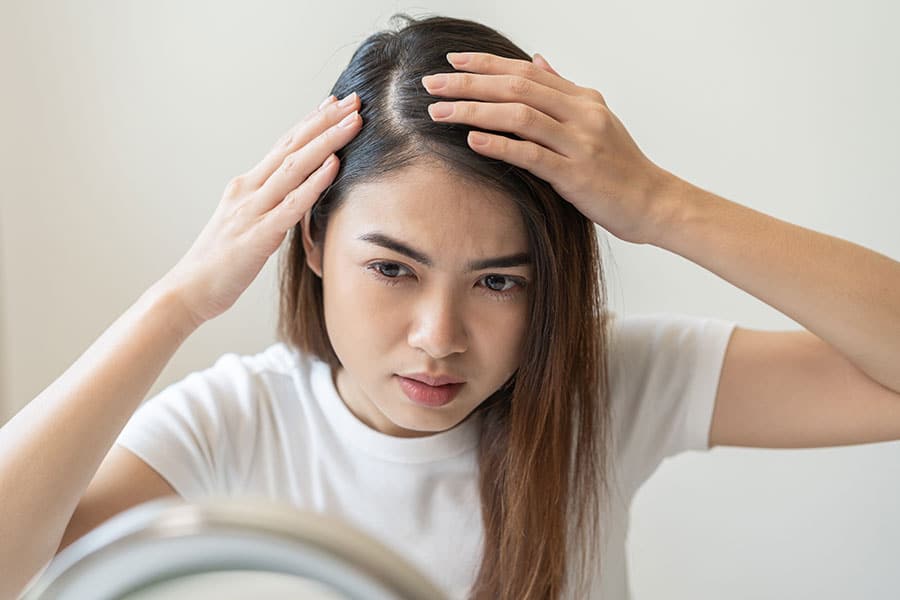
Scalp dermatitis is a common condition where the skin on your scalp becomes inflamed, itchy, and flaky. It often shows up as redness, scaly patches, or persistent dandruff that doesn’t improve with the use of regular shampoo.
Flare-ups can feel stubborn, but many are linked to daily habits. By identifying these triggers, you can take practical steps to ease your irritation.
1. Washing Your Hair Too Frequently
It may feel refreshing to wash your hair every day, especially in Singapore’s humid climate. But over-washing can strip away the natural oils (sebum) that protect your scalp.
Sebum helps maintain moisture and create a barrier against irritation, so when too much is lost due to frequent washing, your scalp can become dry, tight, and more prone to inflammation.
Also, your sebaceous glands may start producing even more oil to compensate for the loss, leaving your scalp greasy again within hours. This cycle can worsen itching and flaking, leading some people to eventually seek scalp dermatitis treatment options in Singapore when routine adjustments don’t bring relief.
For most people with scalp dermatitis, washing every two to three days is usually enough. If your scalp feels oily in between, a gentle rinse with water — without shampoo — may help you feel fresher without upsetting the skin’s balance.
2. Using Harsh or Irritating Hair Products
Many shampoos, conditioners, and styling products contain fragrances, preservatives, or alcohol-based ingredients that can aggravate sensitive skin. Even products labelled “for sensitive scalps” may include potential irritants.
When you use these products daily, they can disrupt your scalp barrier and increase inflammation. To avoid this, always check product labels before buying, and look for mild, sulphate-free shampoos. These are less likely to strip your scalp of its protective oils.
If you notice flare-ups after introducing a new product, stop using it and monitor if your symptoms ease up.
3. Taking Excessively Hot Showers
Hot water can feel soothing, especially after a long day of work, but it strips away natural oils and dehydrates your scalp. Over time, this dryness makes your skin more reactive, worsening dermatitis symptoms like flaking or irritation.
Lukewarm water is usually the right temperature for both your scalp and hair. It cleans effectively without the same level of oil removal. A final rinse with cool water can also help soothe your scalp and reduce irritation afterwards.
4. Wearing Hats or Helmets for Extended Periods
Covering your scalp for long stretches traps heat and sweat against the skin. This warm, moist environment makes it easier for yeast and bacteria to thrive, both of which may worsen scalp dermatitis.
If you need to wear a helmet or hat daily, try to give your scalp breaks whenever possible. Wipe away sweat promptly, and clean helmet linings or caps regularly to minimise irritation.
5. High Stress Levels and Emotional Strain
Scalp dermatitis is not only about what you put on your skin — it’s also linked to your overall well-being. High stress levels may weaken your skin’s natural defences, trigger immune responses, and worsen inflammation. So, you may notice flare-ups during exams, deadlines, or emotional strain.
Managing stress through exercise, meditation, or regular rest can help reduce how often these episodes occur. While stress alone doesn’t cause scalp dermatitis, it can make existing symptoms harder to control.
6. Overusing Heat-Based Styling Tools
Frequent use of hair dryers, straighteners, or curling irons exposes your scalp to direct heat. This can dry out your skin, weaken the scalp barrier, and trigger irritation. Heat may also worsen itching if your scalp is already inflamed.
Try to limit heat styling and keep dryers on a lower setting or air-dry your hair as much as possible to avoid using so much heat on your hair and scalp.
7. Ignoring Early Signs of Flare-Ups
Itching, mild flaking, or redness may seem minor at first, but ignoring these early signals often leads to more severe flare-ups. Once dermatitis worsens, it usually takes longer to calm down.
Paying attention to these signs allows you to adjust your habits early — whether that means switching shampoos, reducing heat exposure, or managing stress levels. If flare-ups on your scalp continue despite these efforts, it may be time to consider dermatitis treatment, as shared below.
Dermatitis Care by TrichoLab
At TrichoLab, dermatitis care starts with an in-depth scalp analysis to identify the underlying cause of your symptoms — be it excess oil, yeast imbalance, or sensitivity to products.
Treatment typically includes a scalp-calming mask with steam to open pores and ease irritation, followed by an antifungal ampoule designed to reduce yeast activity. These steps work together to regulate sebum, soothe inflammation, and restore your scalp’s natural barrier.
This structured approach ensures your treatment is gentle yet effective, helping to reduce itching, redness, and visible flaking.
Talk to us!
Our scalp dermatitis care treatment is available at all TrichoLab locations, with each session priced at around $228. If your condition is more complex, we can also refer you to a doctor at SL Aesthetic Clinic for further management.
Book a consultation with us today to get started.