Dealing with scalp eczema’s persistent itching and burning sensation can be incredibly frustrating. The discomfort and flaking can make simple tasks like brushing your hair dreadful. How can you manage this chronic condition and reduce the impact of flare-ups?
Find out here.
What is scalp eczema?
Scalp eczema is a chronic inflammatory condition that affects the scalp and often appears as patches of red, flaky, and itchy skin. While the condition primarily affects the scalp, it can also extend to other areas with sebaceous (oil-producing) glands, such as the face, neck, and upper chest.
Symptoms of scalp eczema
A way to diagnose scalp eczema is by identifying its symptoms. Patients with scalp eczema often present with the following:
- Flaky skin: Dandruff is one of the most common symptoms. The flakes can be either dry or greasy.
- Itching: Intense itching often accompanies the flaky skin and can be aggravated by scratching, which can further irritate the scalp.
- Red patches: Red, inflamed patches of skin may appear on the scalp, particularly along the hairline and behind the ears.
- Irritated or sensitive skin: During a flare-up, the skin can feel tender and sensitive to the touch.
In more severe cases, scalp eczema may cause hair thinning or loss due to excessive scratching and inflammation.
Causes of scalp eczema
Scalp eczema may be caused by:
- Overgrowth of yeast (Malassezia): The Malassezia yeast, which lives naturally on the skin, can multiply excessively, leading to an inflammatory response.
- Genetic predisposition: A family history of eczema or other inflammatory skin conditions can increase your likelihood of developing scalp eczema.
- Overactive sebaceous glands: When the scalp produces excess oil, it can create a favourable environment for yeast growth, triggering inflammation.
- Environmental factors: Changes in temperature and humidity, stress, and harsh hair products can trigger flare-ups or worsen existing symptoms.
- Weakened immune system: Individuals with weakened immune systems, like those who have autoimmune diseases, are more prone to scalp eczema.
What to do during a scalp eczema flare-up
You should manage a scalp eczema flare-up to prevent symptoms from worsening. Here’s what you can do when you notice a flare-up starting:
Avoid scratching
While you may have an overwhelming urge to scratch your scalp, doing so can damage the skin barrier, leading to further irritation and infection. We recommend using a cold compress to soothe itching.
Use medicated shampoos
Medicated shampoos containing ketoconazole, selenium sulphide, or zinc pyrithione can help control Malassezia overgrowth and reduce inflammation.
Apply soothing fluids
Soothing fluids help calm inflammation and itching. TrichoLab’s Scalp Soothing Fluid contains natural, plant-based ingredients like Centella Asiatica and witch hazel water to effectively calm your scalp, manage flare ups and protect against harmful bacterial growth. Use it after your hair wash.
Apply anti-inflammatory creams
Topical corticosteroids or calcineurin inhibitors can help ease inflammation during a flare-up. However, to avoid overuse, which can thin the skin over time, use these under the guidance of a scalp specialist.
Keep the scalp clean
Wash your hair regularly, especially after sweating or using styling products. Avoid overwashing, which can strip the scalp of natural oils and exacerbate dryness.
Moisturise
Apply a non-irritating, fragrance-free moisturiser or scalp oil to soothe dry, flaky skin. Look for products with ingredients like ceramides or glycerin, which help restore the skin barrier.
Scalp eczema treatment
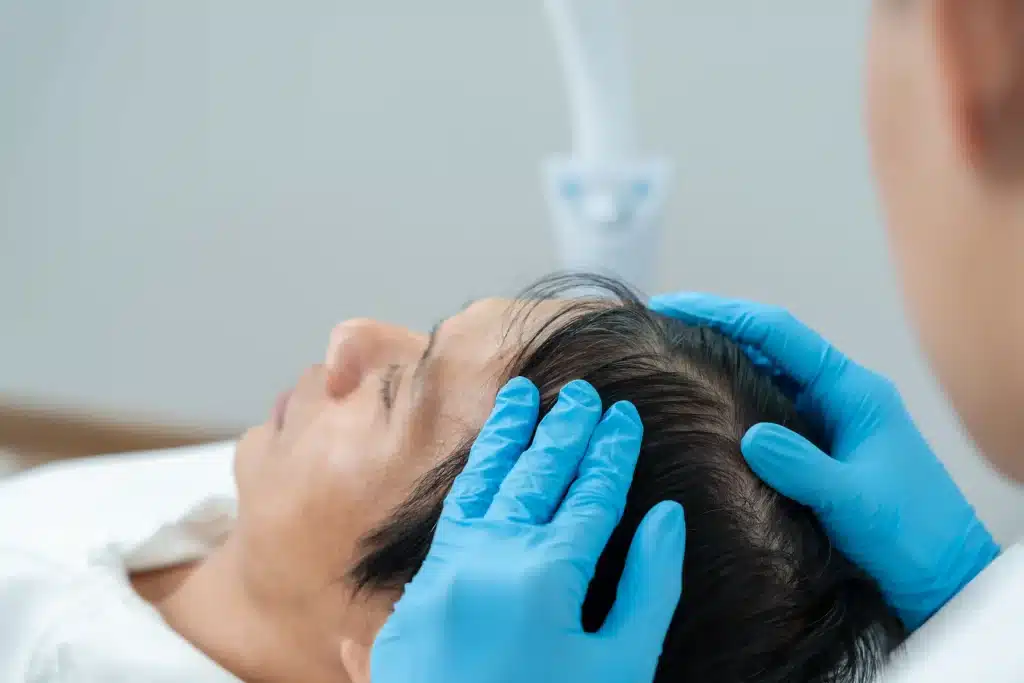
Individuals with scalp eczema should seek professional treatment rather than relying solely on home management. A scalp specialist can provide long-term strategies to help prevent frequent flare-ups and minimise their severity, helping you maintain a healthier scalp.
The Dermatitis Care Scalp Treatment is a highly effective treatment for scalp eczema. It consists of TrichoLab’s scalp-calming mask and an antifungal ampoule. This treatment helps reduce excess sebum production and restore a healthy balance of scalp oils, promoting better scalp health and relief from eczema symptoms.
Key benefits:
- Removes dead skin cells from the scalp
- Unclogs pores for improved scalp health
- Regulates oil production
- Maintains proper moisture levels
- Safe for sensitive scalp types
- Reduces dryness, itchiness, redness, flaking, dandruff, and scalp buildup
Scalp eczema treatment in Singapore
Scalp eczema can be challenging, but with proactive management and treatment, flare-ups can be minimised and symptoms controlled. If you have persistent or severe scalp eczema, consult a scalp specialist for a custom treatment plan to help you maintain a healthy, comfortable scalp.
TrichoLab provides specialised treatments to soothe and manage scalp eczema for long-term relief. Our approach combines dermatological techniques and gentle care to help alleviate the symptoms and restore scalp health.