If you’ve ever noticed irritation and red bumps on your scalp, you might be dealing with scalp folliculitis. Many people are unsure of what’s causing the discomfort, often mistaking it for acne or dandruff. The good news is that scalp folliculitis is a treatable condition.
In this article, we will explore scalp folliculitis, its symptoms, and the variety of treatments available to manage the condition.
What is Scalp Folliculitis?
Scalp folliculitis is the inflammation of hair follicles on the scalp, often caused by bacteria, fungi, or even viruses. In many cases, it resembles small, itchy, and pus-filled bumps around the hair follicles. The condition can be uncomfortable to deal with, due to the itching, pain, or tenderness that may accompany it.
Folliculitis occurs when hair follicles become blocked, damaged, or infected, allowing bacteria or fungi to penetrate. People with oily skin or those who frequently wear hats, helmets, or tight-fitting headgear are more prone to scalp folliculitis. Individuals who suffer from acne or dandruff may also be at a higher risk of developing this condition.
Symptoms of Scalp Folliculitis
- Red bumps or pustules: These can appear around hair follicles, often resembling acne.
- Itching or burning: The affected area may feel itchy or irritated.
- Pain or tenderness: The scalp may feel sore or tender, particularly in areas where folliculitis is more severe.
- Hair loss: In severe cases, folliculitis can cause temporary hair loss due to follicle damage.
- Crusting or scabs: If the pustules break open, they can form crusts or scabs.
Scalp folliculitis can be chronic or acute, depending on its severity and persistence. While some cases may resolve on their own with proper hygiene and care, others may require medical treatment.
Types of Scalp Folliculitis
There are two primary types of scalp folliculitis: superficial folliculitis and deep folliculitis. These classifications depend on how deep the infection or inflammation reaches within the hair follicle.
Superficial Folliculitis
Superficial folliculitis happens at the upper part of the hair follicle and is generally less severe than its deeper counterpart. It is usually caused by mild bacterial infections, such as Staphylococcus aureus, and can be treated with topical medications or over-the-counter remedies.
Symptoms of superficial folliculitis include small red bumps or pustules that are often itchy and uncomfortable. The inflammation is just at the skin’s surface, and while it can be annoying, it does not usually cause scarring or permanent hair loss.
Some common forms of superficial folliculitis include:
- Bacterial folliculitis: This is the most common type, caused by Staphylococcus bacteria. It often appears as clusters of red, pus-filled bumps that can be itchy or painful.
- Fungal folliculitis: This type, caused by yeast or fungus, can occur in people who sweat a lot or live in humid environments. It may cause itchy, red bumps.
- Pseudofolliculitis barbae: Also known as razor bumps, pseudofolliculitis barbae occurs when ingrown hairs cause inflammation, often due to shaving or hair removal techniques.
Deep Folliculitis
Deep folliculitis occurs when the infection penetrates deeper into the hair follicle, causing more significant inflammation and discomfort. This type is usually more painful, and the bumps can turn into large, tender nodules that may result in scarring or hair loss if left untreated.
Deep folliculitis is commonly caused by more aggressive bacterial strains or chronic irritation of the scalp. It may require stronger treatment options, such as oral antibiotics or antifungal medications.
Examples of deep folliculitis include:
- Sycosis barbae: A type of deep folliculitis that often affects men’s beards but can also occur on the scalp. It can cause large, painful pustules that require medical intervention.
- Boils (furuncles): These are larger, pus-filled bumps that form deep under the skin and are caused by Staphylococcus infections. If multiple boils merge, they form a carbuncle, which is a more severe infection that may require drainage.
Treatment Options for Scalp Folliculitis
Treating scalp folliculitis depends on the severity of the condition and the underlying cause. Many mild cases of superficial folliculitis can be treated at home with proper hygiene and topical treatments. However, more severe or chronic cases of deep folliculitis often require medical intervention.
Antibiotics
If a bacterial infection causes folliculitis, antibiotics are commonly prescribed. Depending on the extent of the folliculitis, your doctor may recommend either topical or oral antibiotics.
- Topical antibiotics: For milder cases, antibiotic ointments or creams such as mupirocin can help eliminate the infection.
- Oral antibiotics: For more severe cases of scalp folliculitis, oral antibiotics may be needed to fight the infection from within. Standard options include doxycycline, minocycline, or clindamycin.
Lotions/Creams
Anti-inflammatory lotions and creams can help soothe the scalp and reduce itching, redness, and swelling. These treatments may contain corticosteroids to help control inflammation and promote healing.
- Steroid creams: Prescription-strength corticosteroids are often used to reduce inflammation and calm severe itching.
- Antifungal creams: Antifungal creams may be prescribed to clear the infection and prevent it from spreading if a fungal infection is suspected.
Medicated Shampoos
Medicated shampoos can effectively treat scalp folliculitis, mainly when the condition is caused by excess oil or yeast. These shampoos usually have ingredients such as ketoconazole, selenium sulfide, or salicylic acid, which can help control fungal or bacterial growth.
- Ketoconazole shampoo: Ketoconazole treats fungal scalp infections, such as Malassezia folliculitis. Ketoconazole is a common ingredient in medicated shampoos.
- Salicylic acid shampoo: This ingredient helps exfoliate the scalp, unclog hair follicles, and prevent the buildup of oils and dead skin cells.
TrichoLab Recommends
Folliculitis Remedy
For those suffering from recurrent scalp folliculitis, TrichoLab recommends Folliculitis Remedy. This treatment targets bacterial and fungal infections that primarily affect the hair follicles, especially on the frontal hairline.
Folliculitis Remedy stands out because of its formulation. Two key ingredients in this treatment are coal tar and salicylic acid:
- Coal tar: Known for its antibacterial properties, coal tar inhibits bacterial growth on the scalp, reducing the risk of infections. It is particularly effective for individuals who experience bacterial scalp folliculitis or seborrheic dermatitis.
- Salicylic acid: This ingredient helps exfoliate the scalp by clearing away dead skin cells, dirt, and excess oils that can clog the hair follicles. It also helps prevent further outbreaks and keeps the scalp clean and healthy.
The treatment is especially beneficial for individuals with severe folliculitis or those who struggle with chronic scalp irritation. The combination of these natural ingredients not only targets the root cause of folliculitis but also soothes and restores the scalp’s natural balance.
Other Tips for Relief
Complementing your treatment regimen, you can also practise habits that will improve your scalp condition and preserve your long-term scalp health.
Maintain Proper Scalp Hygiene
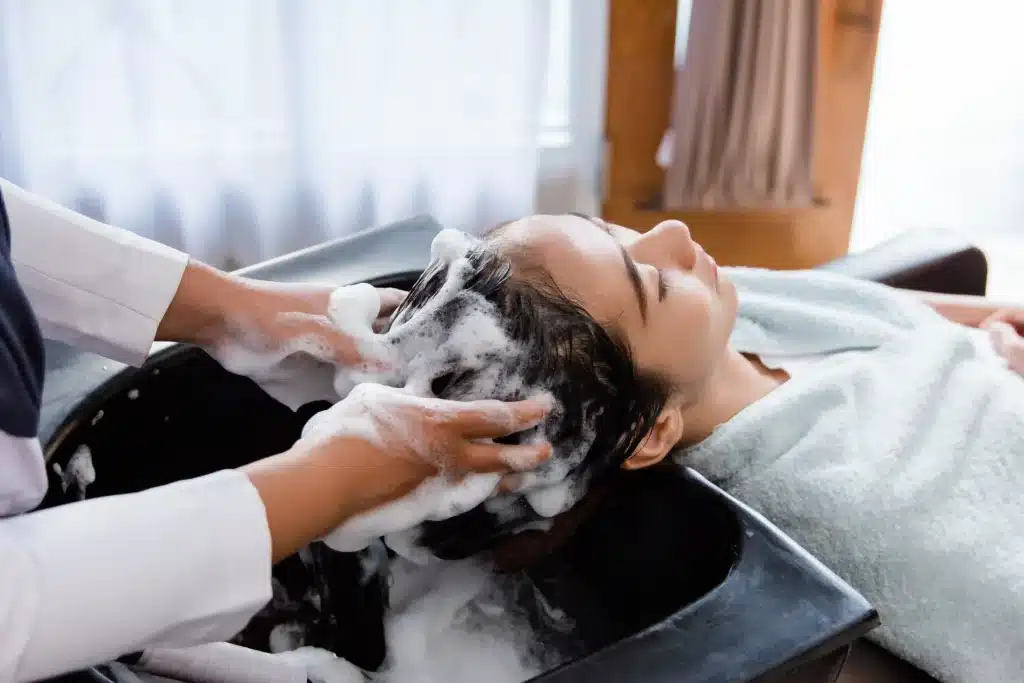
- Wash your scalp regularly: Use a mild, sulfate-free shampoo to keep your scalp clean and free of excess oils, dirt, and bacteria.
- Avoid overwashing: Washing daily can strip your scalp of natural oils, which may worsen irritation. Aim for balance by washing your hair every other day or as needed.
Apply Warm Compresses
Warm compresses can soothe inflamed hair follicles and promote drainage of any pus or bacteria.
- Wet a clean cloth under warm water and press it to the affected area for 10-15 minutes, two to three times daily.
Avoid Tight Headgear
Tight hats, helmets, or headbands can irritate and trap sweat and bacteria, worsening scalp folliculitis. Try to limit wearing such headgear, especially for prolonged periods.
Stop Scratching
Scratching or constantly touching the affected area can lead to further irritation, secondary infections, or scarring. Use anti-itch creams or lotions to reduce the urge to scratch.
Improve Hair Care Routine
- Use a soft brush: Switch to a gentle brush to avoid aggravating the scalp.
- Limit heat styling: Excessive use of hairdryers, flat irons, or curling wands can irritate the scalp. Use these tools sparingly and at a low heat setting.
Stay Hydrated and Maintain a Healthy Diet
It is also important to keep your scalp healthy from the inside out. A well-balanced diet rich in vitamins (like vitamin D and zinc) can help strengthen your immunity, preventing scalp issues.
Avoid Heavy Hair Products
Avoid greasy or heavy hair products that can clog hair follicles and irritate the scalp. Opt for lighter, non-comedogenic products to prevent buildup.
Scalp Folliculitis Treatment in Singapore
Scalp folliculitis can be frustrating to live with, but it is treatable. TrichoLab offers a variety of specialised treatments for scalp conditions, including scalp folliculitis.
Our expertise in hair and scalp health allows us to customise a treatment regimen that includes topical solutions, medicated shampoos, and oral medications if necessary.
We ensure patients receive continual care, monitoring their progress and adjusting treatments as needed to ensure long-term success in managing scalp folliculitis.
Book an appointment for scalp folliculitis treatment today.