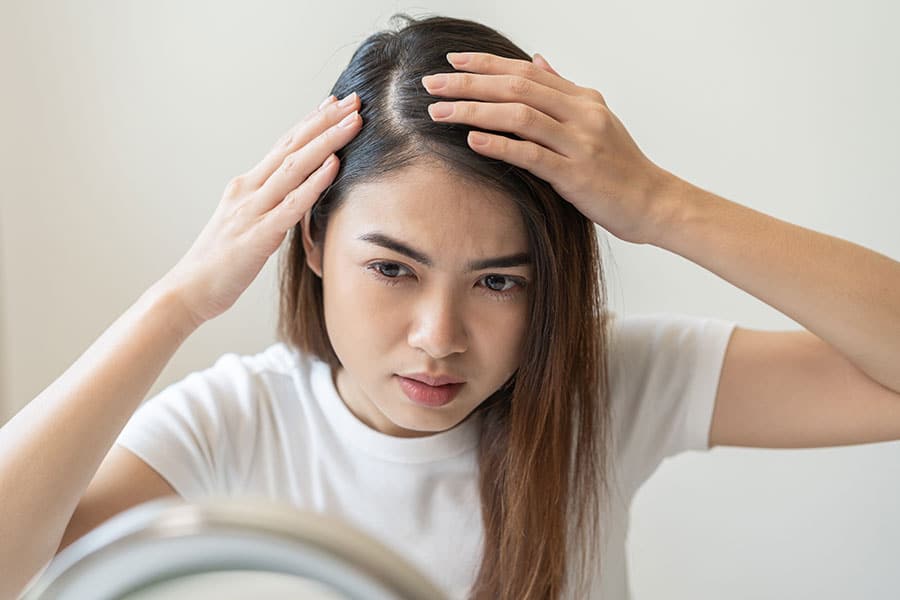
Many of us have the preconception that hair loss is a problem that we’re either born with or not — but that’s far from the truth; it’s not always about genetics. Hair loss can be caused by a variety of factors, from stress, our diet, or even skipping scalp care.
In this article, we’ll cover everything you need to know about hair loss, and what we can do to manage and prevent it.
Role of Oxidative Stress
Oxidative stress occurs when there is an imbalance between free radicals, or unstable molecules, and antioxidants in the body. Free radicals are a byproduct of our body’s normal metabolic processes and external environmental factors, such as UV radiation, air pollution, cigarette smoking and radiation exposure.
When more free radicals are produced than the body’s ability to neutralise them with antioxidants, oxidative stress occurs. This can cause cellular damage, which also affects the scalp cells.
How oxidative stress affects the scalp and hair growth
Oxidative stress can cause a variety of issues with scalp health and hair growth, such as:
Scalp
- Scalp inflammation and irritation — oxidative stress can trigger the body’s inflammatory response, causing inflammation and increased scalp sensitivity; with symptoms like scalp itchiness, redness and tenderness.
- Damage to the skin barrier — oxidative stress can damage the scalp’s skin barrier, making it vulnerable to external pollutants and affecting its ability to retain moisture.
- Degradation of collagen and elastin — collagen and elastin play a huge role in the skin’s structure in terms of elasticity and firmness. Oxidative stress breaks down these proteins, causing scalp dryness and even flakiness (similar to dandruff).
- Disruption of sebum production — oxidative stress can disrupt sebaceous gland functions, causing overactive or underactive. This can lead to an excessively oily scalp or a dry and vulnerable scalp, respectively.
- Hair follicle damage — structures responsible for hair growth can be adversely affected by oxidative stress. Follicles can shrink or die, causing weak hair strands and even hair loss.
Hair growth
- Shortened hair growth phase — the anagen phase, or hair growth phase, can be shortened by oxidative stress. This affects the length of your hair and decreases hair density.
- Excessive hair shedding — hair loss and thinning, or a condition known as telogen effluvium, happens when oxidative stress accelerates the transition of hairs from the growing phase to the shedding phase.
- Weakening of hair shaft — oxidative stress can affect the proteins and lipids in the hair shaft, which, in turn, leads to fragile and dull hair.
- Premature hair ageing — oxidative stress can also damage the cells in the hair responsible for producing melanin. This causes greying hair.
Because of the various implications mentioned above, oxidative stress can have significant long-term consequences on the hair, such as patterned hair loss. It can also increase your risk of developing scalp conditions, from seborrheic dermatitis to psoriasis.
Malassezia: The Unseen Culprit
Malassezia is another factor to keep in mind. It’s a type of yeast that naturally resides in our skin, including our scalp, as part of our natural microbiome. Although it’s usually harmless, an overgrowth of Malassezia can cause problems to our scalp, causing irritation and disease. Factors that cause overgrowth include:
- High humidity and heat
- Excessive sebum production
- Hormonal changes
Scalp conditions caused by Malassezia
An overgrowth of Malassezia can cause several scalp conditions, such as:
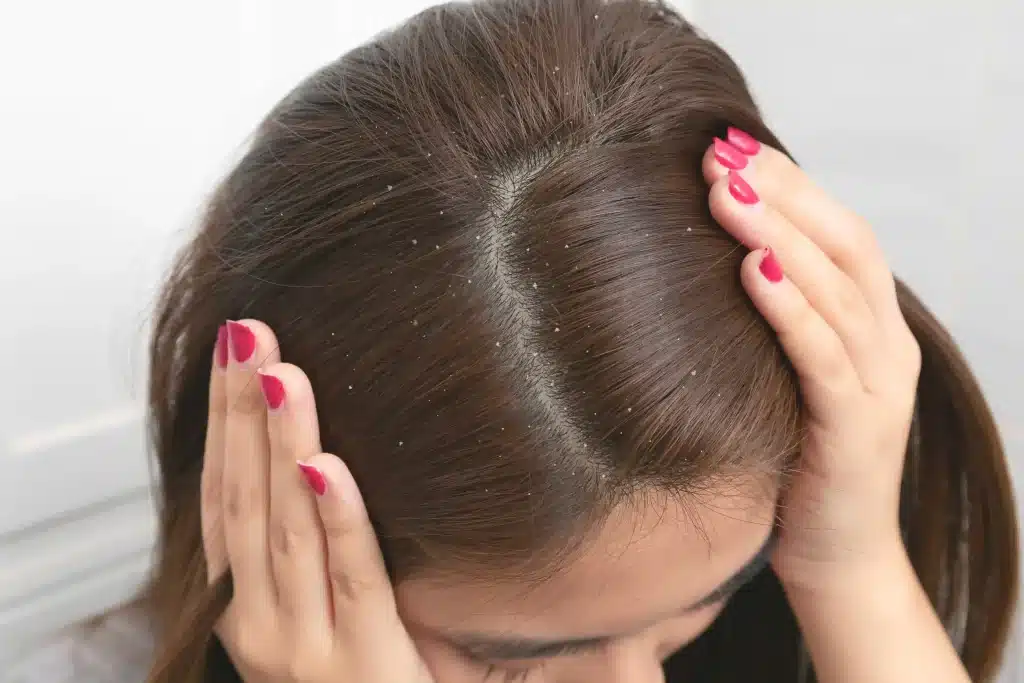
- Dandruff and seborrheic dermatitis — Proliferation of Malassezia can cause dandruff or seborrheic dermatitis, which leads to symptoms such as scalp flaking, itching, inflammation and redness.
- Pityriasis versicolour — Pityriasis versicolour is a skin condition caused by Malassezia producing compounds that interfere with melanin in our skin, causing patches of discoloured skin.
- Folliculitis — Malassezia can cause hair follicle infections, causing inflamed and irritated acne-like bumps.
- Atopic dermatitis — Malassezia can worsen symptoms of people who suffer from atopic dermatitis, more commonly known as eczema. This leads to dry, flaky patches and extreme itching.
Malassezia and Oxidative Stress
Malassezia can indirectly contribute to the production of free radicals, which leads to oxidative stress of the scalp. Its metabolic activities, like feeding on sebum on the scalp, can create oleic acid — a byproduct that disrupts the skin barrier. It also attacks the scalp’s skin cells, which amplifies oxidative stress and causes further damage to the scalp, causing damage (lipid peroxidation) and inflammation.
When the scalp is damaged, hair growth is also significantly affected. As mentioned earlier, hair follicles can become inflamed, slow or stunt hair growth, and even cause hair loss, balding and premature hair ageing.
Scalp Conditions and Their Impact on Hair Loss
Certain scalp conditions can significantly affect hair health and lead to hair loss. Here’s a list of conditions, including some of those mentioned above:
- Seborrheic dermatitis — seborrheic dermatitis is a condition caused by an overgrowth of yeast, Malassezia. This causes a flaky and greasy scalp, as well as inflammation and weakened hair follicles, which, in turn, can cause temporary hair loss.
- Psoriasis — a chronic autoimmune condition where the immune system mistakenly attacks healthy skin cells, causing inflammation and an overproduction of skin cells. This leads to flaky scalp skin and hair shedding.
- Alopecia areata — an autoimmune disorder where the immune system attacks the hair follicles. This can cause damage to the hair follicles, leading to permanent hair loss.
- Folliculitis — bacterial or fungal infections of the hair follicles, which can cause scarring in the scalp and permanent hair loss if left untreated.
- Tinea capitis — also known as scalp ringworm, this is a fungal infection that can damage hair follicles and lead to loss of hair in patches.
- Lichen planopilaris — a rare autoimmune condition where the immune system attacks healthy hair follicles, causing permanent scarring. This can cause patchy or diffused hair loss.
- Dandruff — dandruff can be caused by dry skin or yeast overgrowth, causing itching and flaking skin. Excessive scratching can cause damage to the hair follicles, and hence, eventual hair loss.
- Scalp acne — an oily scalp can lead to clogged hair follicles due to build-up of oil, dirt and dead skin cells. Scalp acne can cause hair shedding.
- Traction alopecia — traction alopecia is a condition caused by prolonged tension or pulling on the hair. This can cause trauma to the hair follicles, disrupting the hair growth cycle and damaging the hair shaft, both of which can lead to hair loss.
The Solution: Prioritising Scalp Health
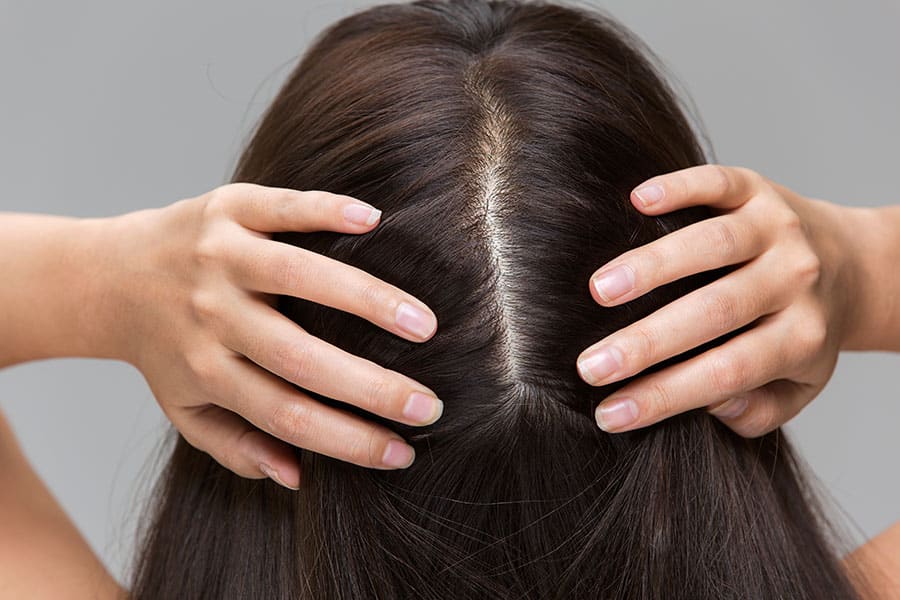
Scalp health directly impacts our hair growth because hair follicles are embedded in the scalp. By keeping our scalp healthy and well-nourished, we can create an optimal environment and scalp microbiome for our hair follicles to function at its best — which, in turn, promotes healthy hair growth and prevents hair loss.
In the same vein, by addressing underlying scalp issues, we can reverse hair loss. By getting to the root cause of the problem and treating our scalp, hair follicles can slowly heal and regain their functionality to support healthy hair and promote regrowth.
Practical Tips for a Healthy Scalp
Now that you know how important scalp health is for hair growth, here are some practical tips to incorporate in your hair care routine:
- Keep your scalp clean — Keeping your scalp clean by regularly washing it can help get rid of excess oil, dirt and product buildup. That being said, opt for a gentle, sulphate-free shampoo and try not to overwash your hair to avoid stripping your scalp of its natural oils and drying it out.
- Moisturise, hydrate and nourish — Keep your scalp nourished, moisturised and hydrated. If you experience dry scalp, try massaging argan or jojoba oil every once in a while to nourish your scalp. Opt for leave-in treatments and conditioners that benefit both your hair and scalp.
- Exfoliate regularly — Gently exfoliating your scalp every now and then can help remove dead skin cells and unclog hair follicles. This encourages product absorption and prevents dandruff.
- Have a balanced diet — A nutrient-rich diet with vitamins A, C, D and E can help support scalp and hair health. Ensuring you drink at least 8 glasses of water a day also helps keep your scalp well-hydrated.
- Protect your scalp from environmental damage — When under the sun for prolonged periods, try wearing a hat to protect your scalp from the harmful UV rays. Cleanse your scalp if you’ve been exposed to environmental pollutants.
- Avoid harsh hair care products — Avoid harsh hair care products that contain alcohols, parabens, sulphates and other chemicals that can cause scalp irritation.
- Incorporate monthly scalp massages into your routine — Regular scalp massages can improve blood circulation, ensuring your hair follicles get the essential nutrients they need to thrive.
- Manage your stress levels — managing your stress levels can lower scalp inflation and prevent hair loss.
- Limit heat and chemical exposure — Minimise using flat irons and other heat styling devices as these can dry out and damage the scalp. It also helps to avoid harsh chemical treatments that can irritate the scalp, such as bleaching or rebonding.
- Treat scalp issues promptly — If you’re experiencing scalp issues, such as dandruff, use antifungal treatments. If your issues persist, it helps to get scalp treatment from professionals to address your issue.
Scalp Treatments for a Healthy Scalp
TrichoLab offers a variety of professional treatments to address all your hair and scalp needs — from oily scalps to persistent dryness. Each procedure starts with a thorough consultation and scalp health analysis with our professionals to ensure you get a treatment that suits you best.
- Sebum Control Treatment — TrichoLab’s Sebum Control Treatment is a treatment specially designed to help rebalance and regulate scalp oil levels. It fights acne-causing bacteria and gently clears scalp build-up.
It involves centella asiatica and green tea extracts that regulate sebum production and soothe inflammation. It also utilises papaya and pineapple enzymes that help gently exfoliate the scalp while providing deep hydration.
- Hair Loss Prevention Treatment — SkinLab’s Hair Loss Prevention Treatment is a 90-minute targeted treatment, with proven botanicals like ginkgo leaf extract and vitamin E, to prevent hair loss and restore hair growth.
This treatment unclogs pores and thoroughly cleanses the scalp, strengthens the hair roots and helps control sebum production, helping you achieve and maintain a strong, thick, and healthy mane.
- Intense Scalp Treatment — The Intense Scalp Treatment is a comprehensive procedure, highly customised to suit your scalp and hair’s needs. This 120-minute treatment involves customised, science-backed solutions with blue light therapy to enhance scalp and hair health, clear away excess sebum and dirt, and address your specific scalp concerns.
- 360° Essential Scalp Treatment — This 90-minute procedure utilises a series of advanced technologies, from nano atomisation to radiofrequency therapy to detoxify, cleanse, and deeply hydrate the scalp. It involves a galvanic heat massage that reduces scalp inflammation, stimulates hair growth and reduces hair growth.
Talk to our scalp specialists today
TrichoLab is dedicated to providing comprehensive, science-backed hair and scalp solutions tailored to address a wide range of concerns. With professional therapists and comprehensive procedures, we ensure that you receive treatment tailored to your needs. Schedule an appointment with us today for a comprehensive scalp analysis and personalised treatment plan.