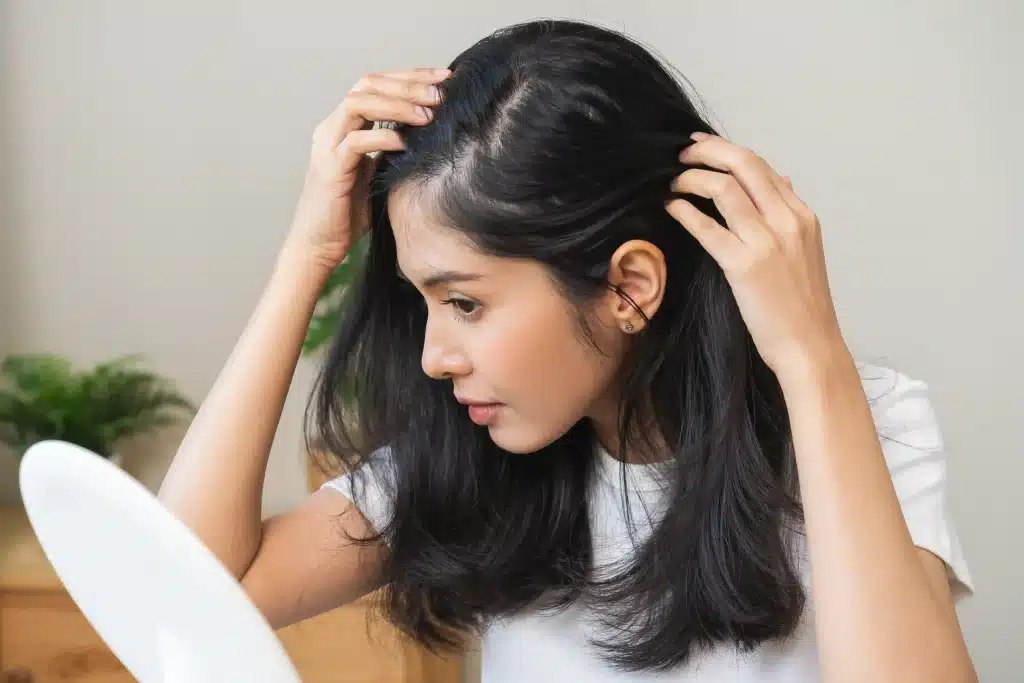
Hair loss affects millions worldwide. While genetics and hormonal changes are often major factors, diet also plays a role in hair health.
In this article, we will shed light on how your diet impacts hair health and when to seek professional treatment.
What nutrients does your hair need?
Healthy hair requires a myriad of key nutrients to grow and remain strong. Here’s an overview of the functions of each.
Proteins
Hair is mainly made up of a protein called keratin. A diet lacking adequate protein can lead to hair weakness and loss. Ensuring sufficient protein intake from lean meats, fish, eggs, and legumes is crucial for hair growth.
Vitamins:
- Vitamin A: Essential for cell growth, including hair cells.
- Vitamin B7 (Biotin): Often associated with hair health, biotin deficiency can cause hair thinning.
- Vitamin C: Important for collagen production, which strengthens hair. It also helps in iron absorption, preventing anaemia-related hair loss.
- Vitamin D: Low levels are linked to hair loss, as it is responsible for creating new hair follicles.
- Vitamin E: Functions as an antioxidant and works to maintain a healthy scalp.
Minerals:
- Iron: Essential for red blood cells to carry oxygen to hair follicles. Iron deficiency commonly causes hair loss, especially in women.
- Zinc: Vital for hair growth and repair. A deficiency can cause hair loss and a dry, flaky scalp.
- Selenium: Protects hair from oxidative stress and is essential for producing thyroid hormones, which help regulate hair growth.
What foods increase hair loss?
Certain foods and dietary habits can negatively impact your hair health and even lead to hair loss.
- Sugar and refined carbohydrates: High sugar intake can increase blood sugar levels, which may cause hair follicles to miniaturise and contribute to hair loss. Refined carbohydrates like white rice and bread can have a similar effect.
- High-glycemic-index foods: Foods that cause a rapid spike in blood sugar levels can trigger hormonal imbalances that lead to hair thinning. Examples include sugary snacks, sodas, and white rice.
- Dairy products: For some people, dairy can exacerbate scalp conditions like dandruff and eczema, leading to hair loss.
- Fried foods: Loaded with unhealthy fats, fried foods can clog pores and reduce nutrient absorption, affecting scalp health.
- Alcohol: Excessive alcohol consumption can dehydrate the body and deplete it of essential nutrients, contributing to hair loss.
The role of supplements
If you are experiencing hair loss, it might be due to a deficiency in certain vital nutrients mentioned earlier. Eating a nutritious diet that consists of all the nutrients is advisable to maintain and grow healthy hair.
If you cannot include all the nutrients in your diet, you may incorporate oral supplements to provide the essential nutrients necessary for healthy hair growth. Some ingredients you should look out for in the supplements include:
- Biotin (Vitamin B7): Strengthens hair and nails and supports the health of hair follicles.
- Vitamin D: To create new hair follicles and overall hair health.
- Iron: A part of red blood cells, carrying oxygen to hair follicles.
- Zinc: Supports hair growth and repair and maintains the function of oil glands around hair follicles.
- Vitamin C: Supports collagen production, which strengthens hair. It also helps in the absorption of iron.
- Multivitamins: A good-quality multivitamin can provide a balanced cocktail of essential vitamins and minerals that support overall hair health.
- Collagen supplements: A protein that helps strengthen hair and improve elasticity.
- Saw palmetto: Blocks the activity of 5-alpha-reductase, an enzyme that changes testosterone to DHT, a hormone linked to hair loss.
Will hair loss due to diet grow back?
Hair loss caused by dietary deficiencies is usually reversible. Once the underlying nutritional deficiencies are addressed, hair growth typically resumes. You should consult with a professional to get an assessment of your hair health and to decide whether your hair care regimen or your diet is a likelier contributor to hair loss.
When should I seek professional scalp treatment?
While dietary changes can significantly impact hair health, there are instances when professional scalp treatment is necessary for hair loss:
- Persistent hair loss
- Sudden or severe hair loss
- No improvement with diet changes
- Accompanying symptoms such as fatigue, weight loss and changes to skin and nails
Scalp treatment for hair loss in Singapore
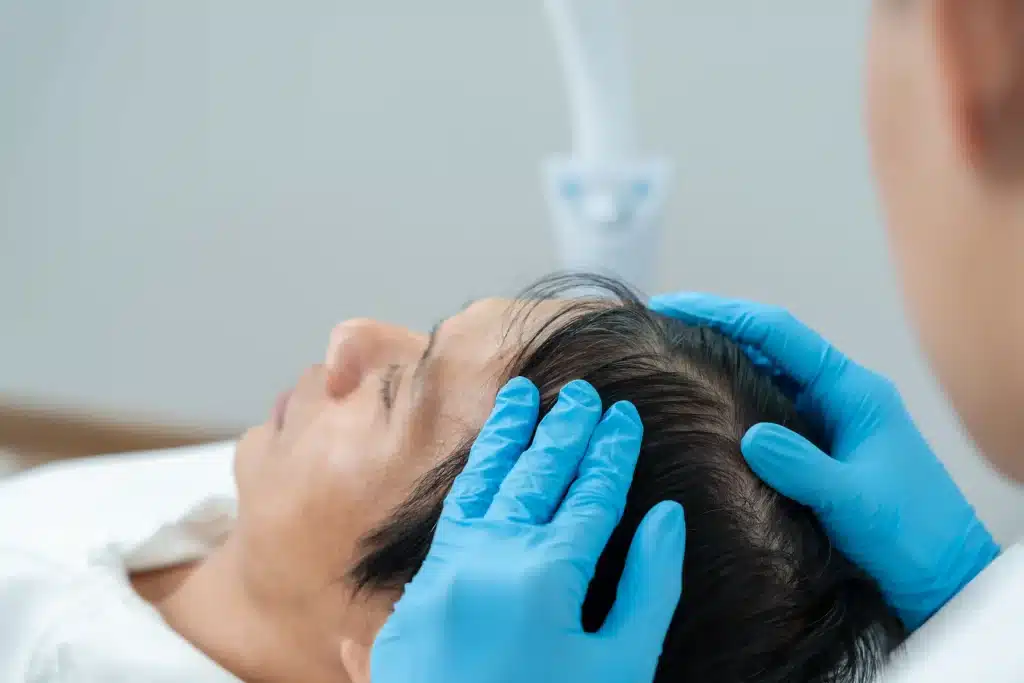
If you have not seen positive changes in your hair loss, consider TrichoLab for specialised scalp treatments for hair loss in Singapore. We combine technology and expert knowledge to address hair loss effectively.
Our treatments include microneedling which triggers hair growth and improves scalp health. TrichoLab creates customised treatment plans tailored to your needs. In addition to microneedling, we may also recommend topical treatments, nutritional supplements, and lifestyle changes.