Many men and women wake up each morning to greasy roots despite regular washing. Then they wonder: is the washing the problem?
If you’re one of these people and looking for answers, this article is for you. We’ll dive into the exact relationship between hair washing and oil production, other culprits that may be causing your oily hair, before helping you find a routine that keeps your scalp in balance.
Understanding Sebum and Scalp Oil
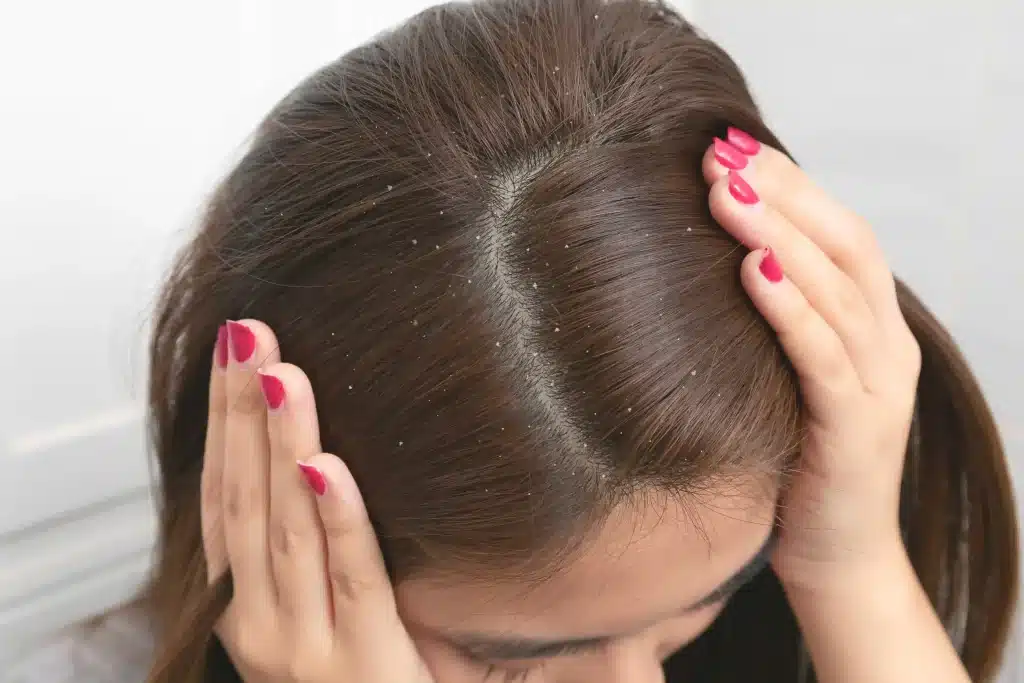
Sebum is the natural oil secreted by sebaceous glands located just beneath your scalp. It helps maintain a healthy scalp by moisturising the skin and acting as a protective layer against external irritants. Sebum also travels down the hair shaft, coating strands to keep them soft and manageable.
However, an overproduction of sebum can leave hair looking greasy and feeling heavy, especially near the roots. While sebum is necessary for scalp health, the amount produced can vary based on genetics, hormones, climate and personal care routines.
Does Washing Really Make Hair Oilier?
Some people believe that frequent washing causes the scalp to compensate by producing more oil. That is not entirely true. Washing your hair doesn’t directly cause your scalp to become more oily. However, the way you wash, what products you use, and how frequently you cleanse can disrupt your scalp’s natural balance.
Why Daily Washing Might Not Be the Culprit
For people with naturally oily scalps, daily washing may be necessary to keep the scalp feeling fresh and clean. If you’re using a gentle shampoo that respects the scalp’s natural barrier and maintains hydration, daily washing won’t necessarily lead to oiliness.
The real issue arises when you:
- Use shampoos that contain harsh sulfates or alcohols
- Scrub the scalp too vigorously
- Skip hair conditioner, leaving the scalp dry
- Wash with overly hot water
These habits can strip the scalp, cause irritation, and ultimately send your oil glands into overdrive.
Factors to Consider
Before deciding whether to wash your hair daily or scale back, assess your individual needs. Everyone’s scalp and hair are different, and your ideal routine depends on a few key factors.
Hair Type
Hair texture plays a role in how often you should wash. Straight and fine hair allows sebum to travel quickly down the shaft, making it appear oilier faster. People with this hair type may feel the need to wash more often.
In contrast, curly or coarse hair slows down sebum distribution, which means it can go longer between washes without looking greasy. For these hair types, daily washing may be unnecessary and even drying.
Scalp Condition
An oily scalp, dandruff, or scalp acne may call for more frequent washing with a targeted shampoo. On the other hand, if your scalp is dry, flaky, or irritated, daily washing may worsen the condition.
If you’re dealing with a sensitive scalp, consider using scalp-soothing products and cutting back on the frequency of washes to let the scalp repair its barrier.
Washing Habits
The method and products used during washing matter just as much as frequency. Using a mild, pH-balanced shampoo and lukewarm water can make daily washing a sustainable option.
Conversely, aggressive scrubbing or using styling products that build up can contribute to oiliness regardless of how often you wash.
Finding the Right Washing Frequency for Your Hair
There’s no universal rule for how often you should wash your hair. For some, daily washing feels necessary; for others, washing two to three times a week is sufficient. The key is to observe how your scalp and hair respond.
Try experimenting with different intervals. Start by spacing out your washes and notice if your scalp becomes less oily over time. Using dry shampoo between washes can also help you manage oiliness while giving your scalp a break from cleansing.
If daily washing is your norm, choose products that are gentle, hydrating, and designed for frequent use. Look for ingredients that balance rather than strip the scalp, such as tea tree oil, green tea extract, or low-dose salicylic acid.
Still Struggling with an Oily Scalp?
If your scalp remains greasy despite adjusting your washing routine, it may be time to explore oily scalp treatments.
Sebum Control Treatment
Designed to rebalance and regulate scalp oil levels, the Sebum Control Treatment by TrichoLab is ideal for those experiencing chronic oiliness. This professional oily scalp treatment features papaya and pineapple enzymes that gently exfoliate buildup while maintaining hydration.
The treatment is also formulated with centella asiatica and green tea extracts to calm inflammation and regulate oil production, making it a perfect solution for oily scalps that also suffer from sensitivity.
Salicylic Acids Peel
A salicylic acid scalp peel offers deep exfoliation to remove excess oil, sebum plugs, and dead skin cells that can accumulate with frequent washing or heavy product use. By clearing out the pores and encouraging healthy skin turnover, this treatment can help reduce oiliness at the source.
Salicylic acid also has anti-inflammatory and antimicrobial qualities, making it ideal for individuals who have seborrheic dermatitis, scalp acne, or clogged follicles.
Get an Oily Scalp Treatment from TrichoLab
Daily washing doesn’t inherently make your hair oilier, but the way you wash and the products you use certainly can. If you’re unsure how to manage your washing routine or tackle persistent oiliness, contact TrichoLab.
With the support of our trained specialists, you can get to the root of your scalp issues and receive a customised care plan designed to restore scalp harmony. Book an oily scalp treatment now.