We are closed from 18 Feb (Tue) - 20 Feb (Thu) for our annual team building. We will reopen on 21 Feb (Fri).

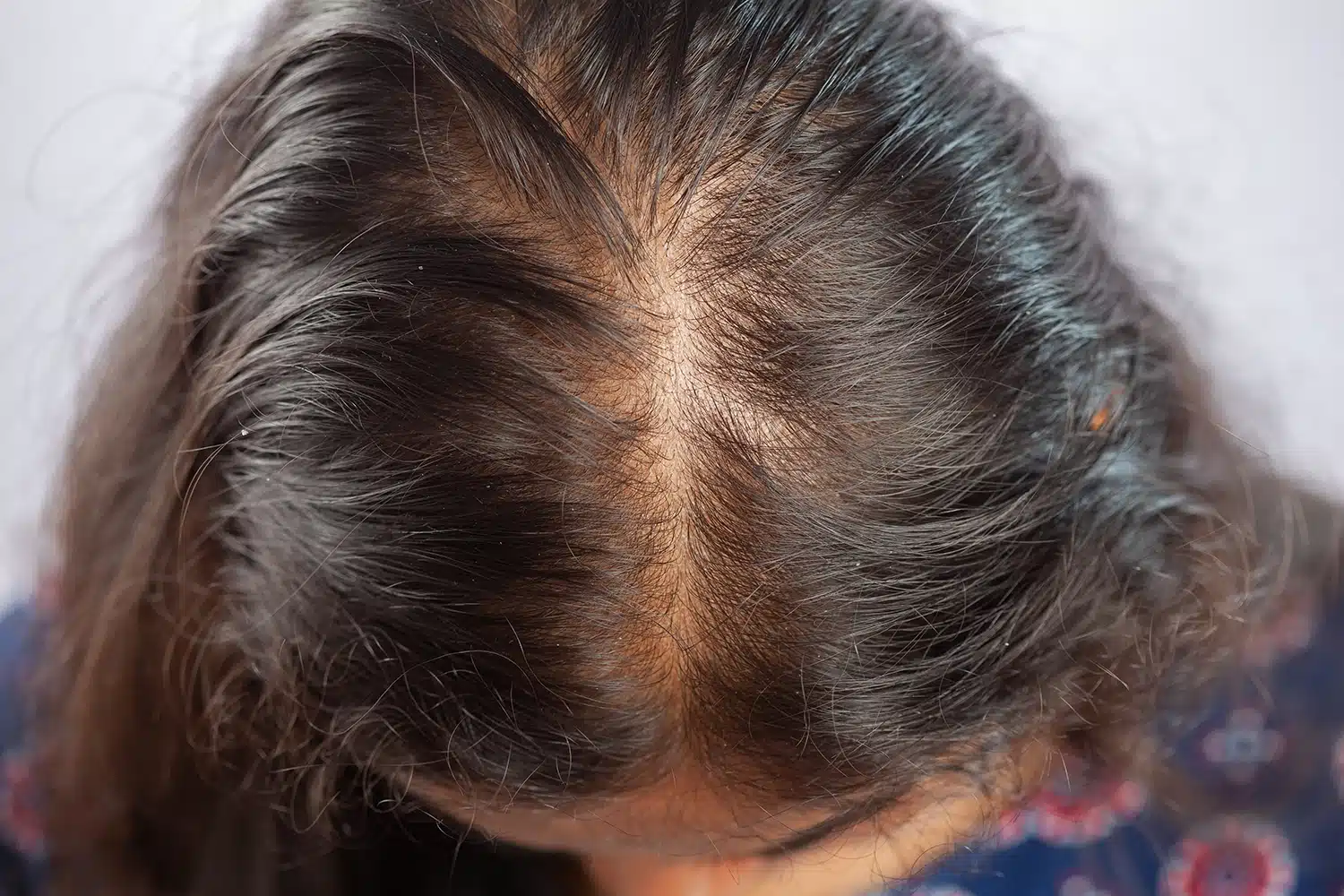
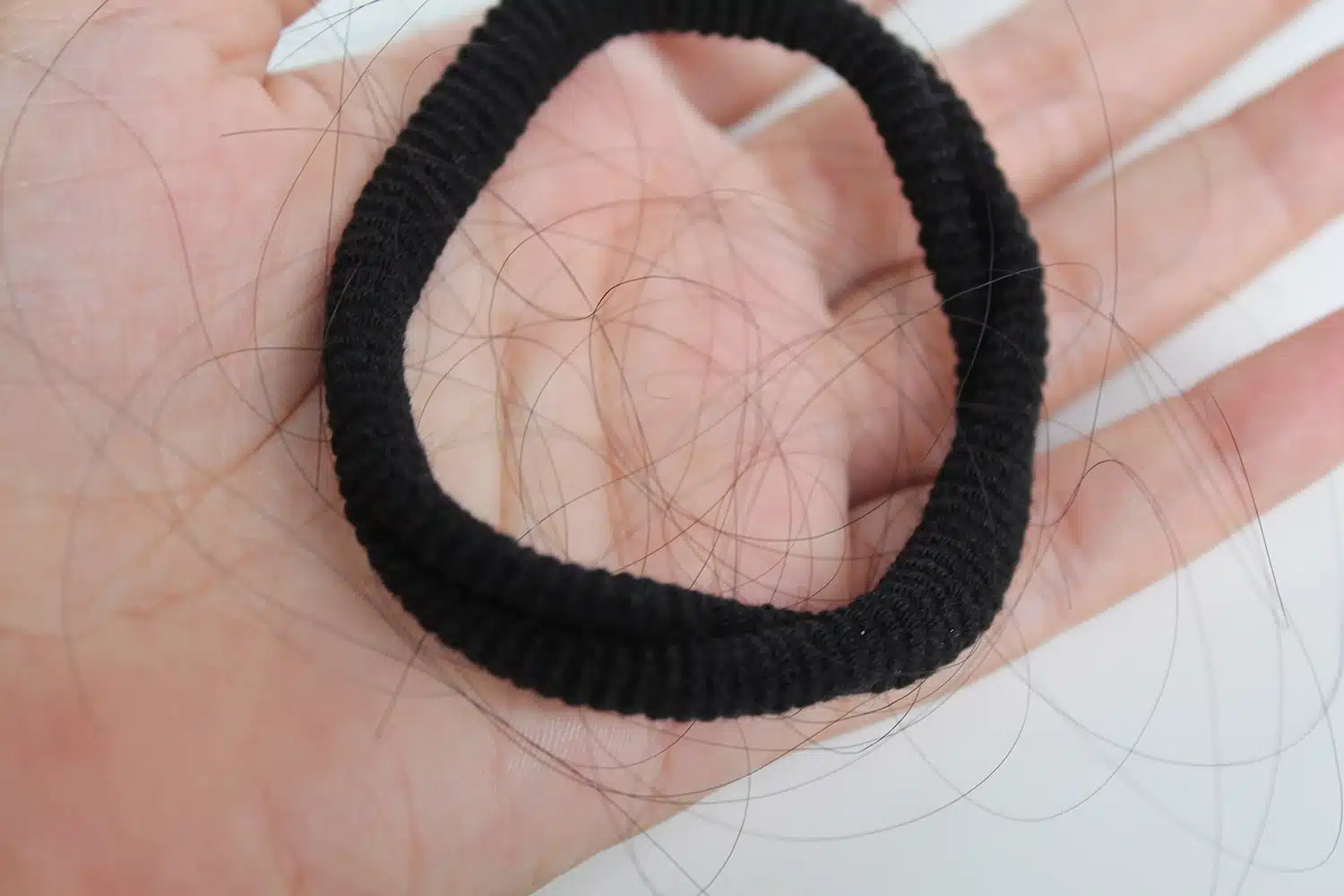
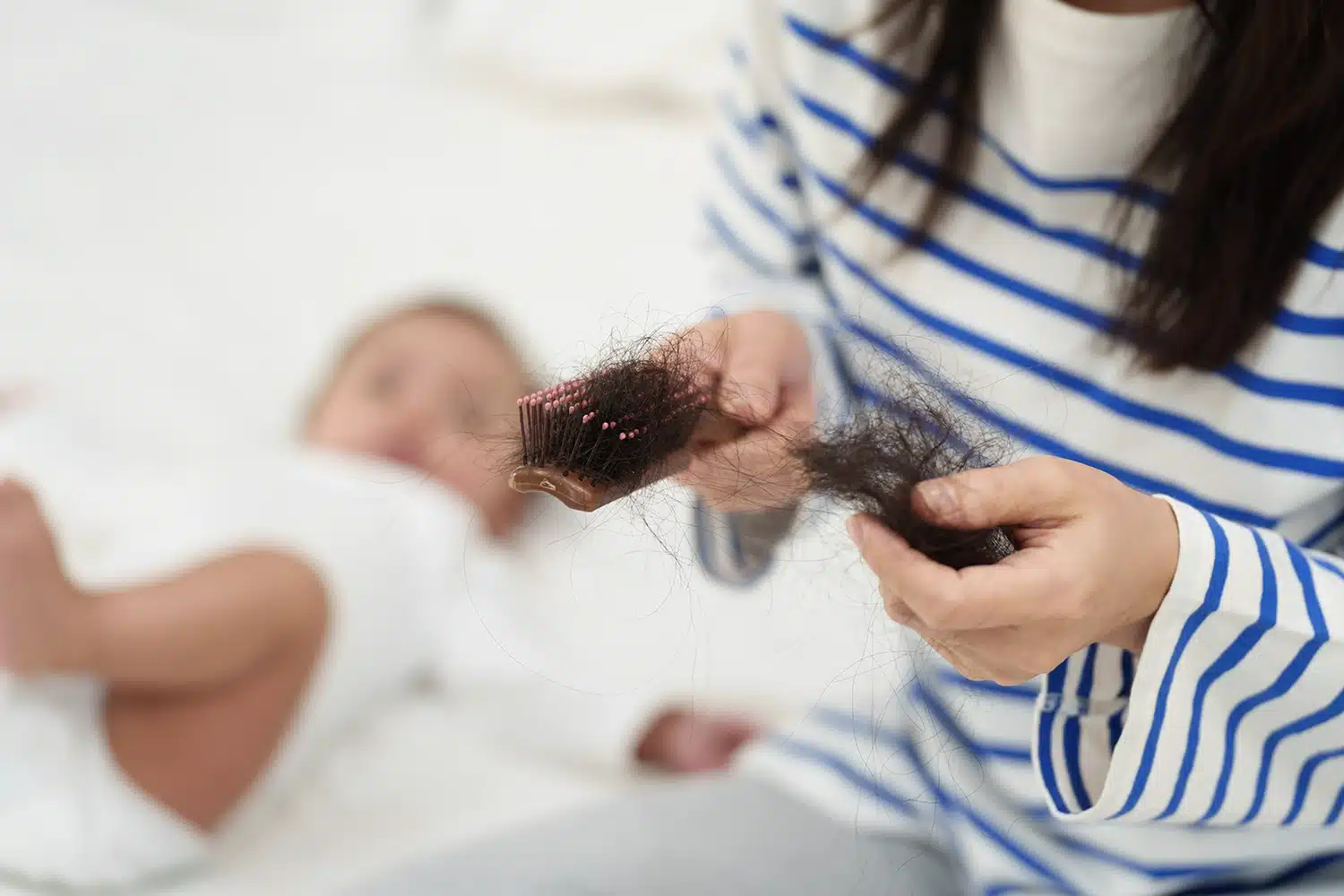
Most women notice something is wrong long before they say it out loud. Progressively thinner hair, more strands than usual after a wash, a parting that keeps getting wider – these are signs worth taking seriously.
Female hair loss is rarely dramatic at first, which is exactly why it is easy to dismiss and imperative to address early.
At TrichoLab, every treatment begins with a detailed scalp analysis by our in-house specialists, so your protocol is matched to your specific condition, not a generic template.
Most women try vitamins, scalp serums, and thickening shampoos first, and most find they don’t move the needle. That is not because these products are ineffective across the board, but because female hair loss is frequently driven by hormonal shifts that topical products and supplements cannot address on their own.
Oestrogen and progesterone help keep hair in its active growth phase. When these levels fluctuate -through perimenopause, postpartum recovery, thyroid changes, or chronic stress- hair follicles are pushed into the resting phase earlier than they should be, leading to diffuse thinning, reduced density at the parting, and increased daily shedding.
Treatments that work address this at the follicle level, not the surface.
TrichoLab’s female hair loss treatments are designed to address hair loss at the follicle level, supporting scalp health, stimulating circulation, and strengthening existing hair. All treatments begin with a scalp analysis and consultation. Individual results will vary based on the type and stage of hair loss.
Signature Medical Microneedling Hair Growth | TrichoLab’s advanced hair growth protocol uses medical microneedling to create controlled micro-channels in the scalp, delivering a patented complex of plant-based growth factors, botanicals, and peptides directly into the follicle. Stimulates the body’s natural healing response and supports follicle activation. Suitable for women experiencing diffuse thinning, postpartum shedding, or gradual loss of density over time. |
Signature Medical Microneedling + IYASHI Exosomes | The Signature Microneedling protocol enhanced with IYASHI Exosome therapy – a regenerative approach that delivers growth factors and signalling proteins directly to the scalp to support follicle renewal. |
Hair Vitality Treatment | Designed to strengthen existing hair and support a healthier scalp environment. Combines nourishing scalp therapy with active ingredients to improve hair density and resilience. |
Hair Loss Control Treatment | A targeted, non-medicated treatment for women experiencing diffuse thinning, reduced density at the parting, or a scalp that feels consistently oily or reactive. Combines Duo Wave LDM ultrasound with a concentrated Saw Palmetto ampoule to address the hormonal factors driving hair loss at the follicle level, and LED light therapy to stimulate follicle cells and support scalp balance. |
Not sure which treatment is right for your hair loss? Book a consultation, and our scalp specialists will assess your scalp condition and advise on the most appropriate approach.
Female hair loss, also referred to as female pattern hair loss or androgenetic alopecia in women, is the gradual thinning of hair across the scalp. Unlike male pattern hair loss, which typically presents as a receding hairline or bald patches, female hair loss often presents as diffuse thinning across the crown and top of the scalp, with the hairline remaining largely intact.
Hair loss in women is more common than many realise. It can begin as early as the 20s and becomes increasingly prevalent from the 40s onward. It is also more emotionally distressing for many women, given the strong cultural and social associations between hair and identity.

The most common form. Caused by a genetic sensitivity to DHT, which causes hair follicles to miniaturise over time. Presents as progressive thinning across the crown, often with a widening part line.

A temporary, diffuse hair shedding triggered by physiological stress such as childbirth, illness, surgery, rapid weight loss, or nutritional deficiency. Hair typically sheds 2 to 4 months after the triggering event and may regrow once the underlying cause is resolved.

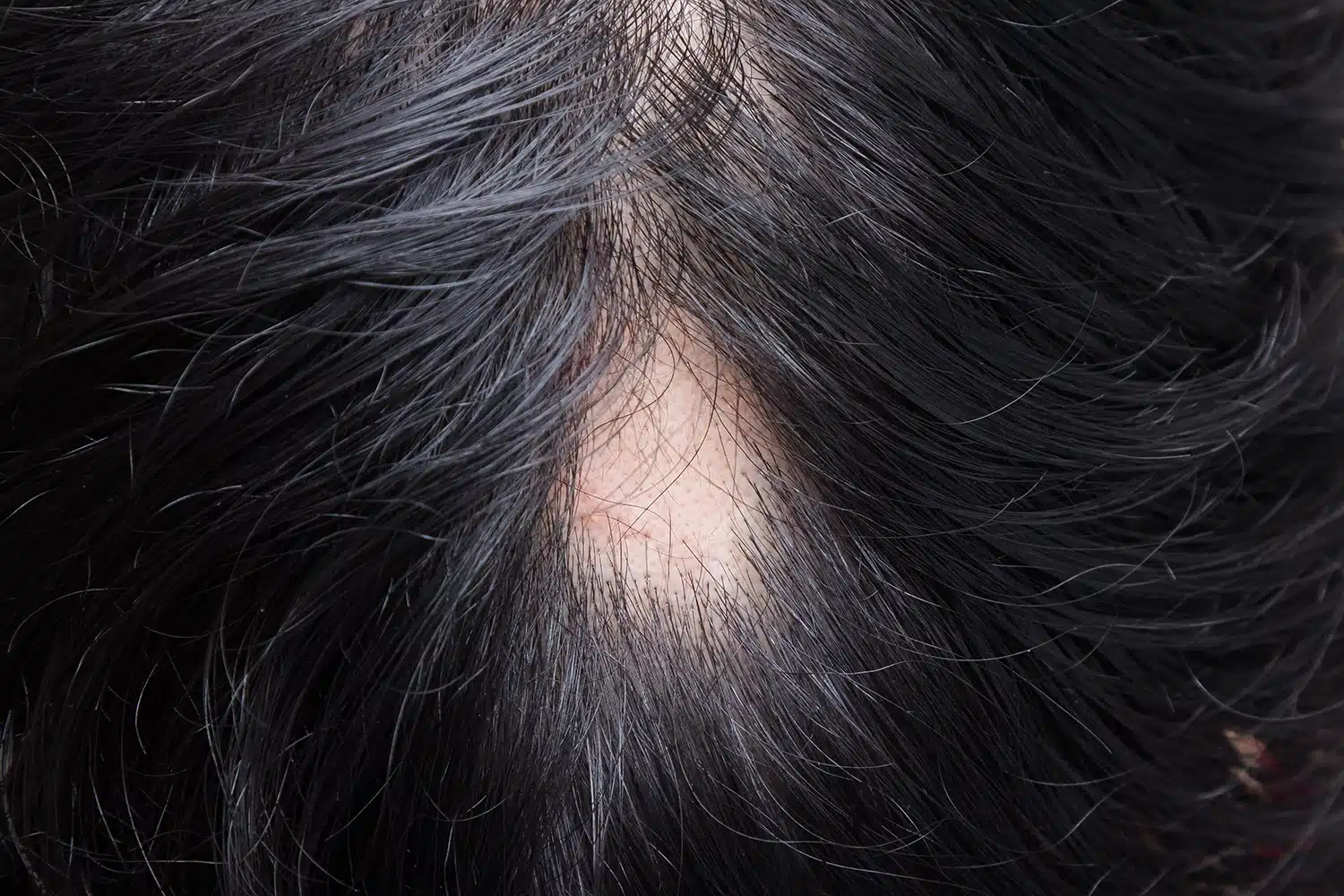
An autoimmune condition in which the immune system attacks hair follicles, resulting in patchy hair loss. Can affect any area of the scalp.

Hair loss caused by repeated mechanical tension on the hair — from tight ponytails, braids, extensions, or weaves. Common in women and preventable if identified early.

A form of telogen effluvium specific to the period following childbirth. Typically resolves within 6 to 12 months as hormone levels stabilise.
Female hair loss is rarely caused by a single factor. Common contributing causes include:
Fluctuations associated with pregnancy, postpartum recovery, menopause, polycystic ovary syndrome (PCOS), and thyroid dysfunction are among the most common drivers of female hair loss.
A family history of hair loss on either parent's side increases susceptibility to androgenetic alopecia.
Deficiencies in iron, ferritin, zinc, vitamin D, and biotin are associated with diffuse hair thinning and shedding.
Physical or emotional stress elevates cortisol, which can push hair follicles into the shedding phase prematurely.
Heat styling, chemical treatments, tight hairstyles, and overuse of dry shampoo can contribute to scalp damage and hair loss over time.
An unhealthy scalp environment, including excess sebum, dandruff, or inflammation, may impair follicle function and contribute to thinning.
The most appropriate treatment depends on the type and stage of your hair loss. For active shedding, the Hair Loss Control Treatment is often the recommended starting point. For more advanced thinning, Signature Medical Microneedling, with or without IYASHI Exosomes, offers a more intensive follicle-level intervention. A scalp analysis at consultation will help determine the right approach for your specific condition.
Sudden or rapid hair loss in women is most commonly associated with telogen effluvium, a diffuse shedding triggered by physiological stress such as childbirth, illness, surgery, rapid weight loss, or severe emotional stress. The shedding typically occurs 2 to 4 months after the triggering event. Other causes include hormonal disruption (including thyroid conditions and PCOS), nutritional deficiencies, and certain medications. A scalp analysis and blood panel can help identify the underlying cause.
Hair loss driven by hormonal imbalance, such as that associated with PCOS, thyroid dysfunction, postpartum changes, or perimenopause, is best addressed by first identifying and managing the underlying hormonal cause, ideally with a medical professional. In-clinic treatments such as the Hair Loss Control Treatment and Signature Medical Microneedling can support follicle health and help manage shedding while hormones are being stabilised. A combined approach addressing both the hormonal factor and the local scalp environment tends to produce the best outcomes.
Yes. Hairline recession and temple thinning in women may be associated with traction alopecia, androgenetic alopecia, or frontal fibrosing alopecia. The appropriate treatment depends on the cause. For traction-related loss identified early, removing the mechanical trigger can allow recovery. For androgenetic or pattern-related thinning at the temples, in-clinic treatments including microneedling can support follicle health in the affected areas. A scalp analysis will help identify the cause and advise on appropriate options.
Prescription treatments, including topical minoxidil and oral medications, are available for female hair loss through medical practitioners and may be appropriate for more advanced androgenetic alopecia. Whether a prescription treatment is appropriate depends on your specific type of hair loss, health history, and personal preferences, and is a decision best made with a qualified medical professional. TrichoLab’s speciality is in non-invasive, non-pharmaceutical approaches; our team can advise on when a medical referral may be beneficial.
This depends on the specific treatment. Certain oral medications used for hair loss are not recommended for women who are pregnant or trying to conceive. TrichoLab’s in-clinic treatments, including microneedling and scalp therapy protocols, are non-pharmaceutical and do not involve systemic medications. Please disclose any plans to conceive at your consultation so that appropriate treatments can be selected.
For androgenetic alopecia, full reversal is not typically achievable, the aim is to slow progression, support existing follicles, and where possible stimulate regrowth in follicles that retain some function. Medical microneedling and certain growth factor therapies are supported by clinical evidence for this purpose. For telogen effluvium, hair often regrows naturally once the triggering cause is resolved. A scalp analysis will clarify which type of hair loss you have and set realistic treatment expectations.
Topical minoxidil (2% or 5% foam/solution) is the most widely evidence-backed over-the-counter treatment for female androgenetic alopecia. It works by extending the growth phase of the hair cycle and may help slow shedding and support regrowth with consistent use. Results typically take 3 to 6 months to become apparent. A scalp-supportive shampoo such as TrichoLab’s Anti-Hair Loss Shampoo can complement this as part of a homecare routine. In-clinic treatment provides a more structured and targeted approach.
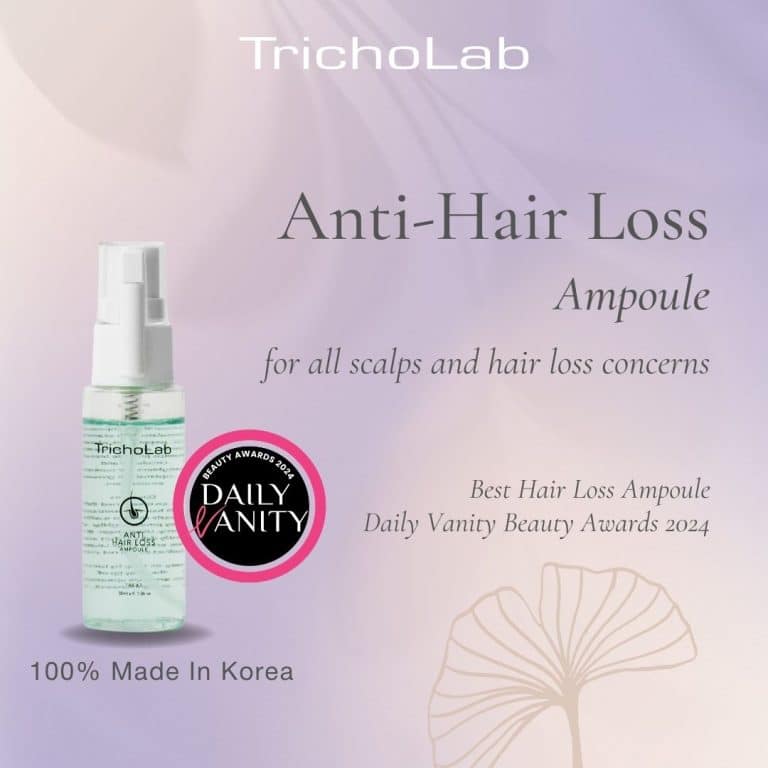
Shampoos and scalp serums formulated for hair loss can support a healthy scalp environment and may help manage mild shedding. However, their ability to produce meaningful regrowth in cases of established hair loss is limited. They are most useful as part of a broader homecare routine that complements in-clinic treatment. TrichoLab’s Anti-Hair Loss Shampoo and Anti-Hair Loss Ampoule are formulated with active ingredients to support follicle health and scalp environment as part of a consistent homecare routine.
Supplements can be helpful where a specific nutritional deficiency is the underlying or contributing cause of hair loss, which is relatively common in women. Iron, ferritin, vitamin D, zinc, and biotin deficiencies are all associated with hair thinning and shedding. However, taking supplements without first identifying a deficiency is unlikely to produce visible results. A blood panel is the most reliable way to identify any deficiencies. Browse TrichoLab’s full homecare range at our online shop for scalp and hair products suited to your condition.
Female pattern hair loss can begin as early as the 20s, though it becomes more prevalent from the 40s and particularly around menopause, when oestrogen levels decline. Telogen effluvium, by contrast, can occur at any age and is typically triggered by a specific physiological event.
Male pattern hair loss typically presents as a receding hairline progressing to bald patches at the crown. Female pattern hair loss tends to present as diffuse thinning across the top of the scalp, with the hairline remaining relatively intact. Women are also more likely to experience hair loss linked to hormonal or nutritional factors.
Yes. An unhealthy scalp environment, characterised by excess sebum, inflammation, product buildup, or dandruff, can impair the follicle’s ability to function properly and may worsen hair thinning. Addressing scalp health is a key part of TrichoLab’s hair loss protocols, which is why every treatment begins with a scalp purification step.
This depends on the type, severity, and duration of your hair loss, as well as the treatment recommended. Individual responses vary. Your specialist will advise on a suitable course of treatment following your scalp analysis and consultation.