We are closed from 18 Feb (Tue) - 20 Feb (Thu) for our annual team building. We will reopen on 21 Feb (Fri).

We are closed from 18 Feb (Tue) - 20 Feb (Thu) for our annual team building. We will reopen on 21 Feb (Fri).

Best Oily Scalp Treatment in Singapore

Finding the best oily scalp treatment in Singapore starts with understanding why your scalp is overproducing sebum in the first place. An oily scalp is not simply a hygiene issue; it is a physiological condition driven by overactive sebaceous glands, and addressing it requires more than daily washing.

At TrichoLab, our oily scalp protocols are developed by in-house scalp specialists and begin with a detailed scalp analysis. The aim is to regulate sebum production, restore the scalp’s natural pH balance, and create a healthier follicle environment, without stripping the scalp of the moisture it still needs.

Best Oily Scalp Treatments at TrichoLab

TrichoLab’s oily scalp treatments are designed to regulate sebum production, remove excess buildup, and restore the scalp’s natural pH balance, creating a healthier environment for hair follicles. All treatments begin with a scalp analysis. Individual results will vary.

Follicle Boost Tri-Active Treatment

A three-stage active treatment that simultaneously addresses scalp congestion, stimulates blood circulation, and supports follicle health, suited to those whose oily scalp is accompanied by early signs of hair thinning.

Sebum Control Treatment

TrichoLab’s dedicated oily scalp protocol targets excess sebum production through scalp purification, a customised sebum-regulating ampoule, and scalp therapy designed to restore pH balance and reduce oiliness.

Hydra Balancing Scalp Treatment

Addresses both excess oil and underlying scalp dehydration, a common combination where the scalp overproduces oil as a compensatory response to insufficient moisture. Balances sebum while supporting the scalp’s hydration levels.

Salicylic Acids Peel

A clinical scalp peel using salicylic acid, a BHA that is oil-soluble to penetrate congested follicles, dissolve excess sebum and product buildup, and exfoliate the scalp surface. Suitable for oily scalp and seborrheic dermatitis.

Book a consultation and our scalp specialists will perform a detailed scalp analysis and advise on the most appropriate treatment for your scalp condition.

What Is an Oily Scalp?

An oily scalp occurs when the sebaceous glands attached to the hair follicles produce excess sebum, the scalp’s natural oil. While sebum plays an important role in protecting and lubricating the scalp and hair shaft, excess production leads to a greasy appearance, scalp odour, and a tendency towards dandruff, congested follicles, and hair loss.

The scalp naturally produces more sebum than any other part of the body, and in Singapore’s tropical climate, heat and humidity keep sebaceous gland activity consistently elevated, making an oily scalp one of the most common scalp concerns seen at TrichoLab.

What Are the Signs of an Oily Scalp?

Common indicators include:

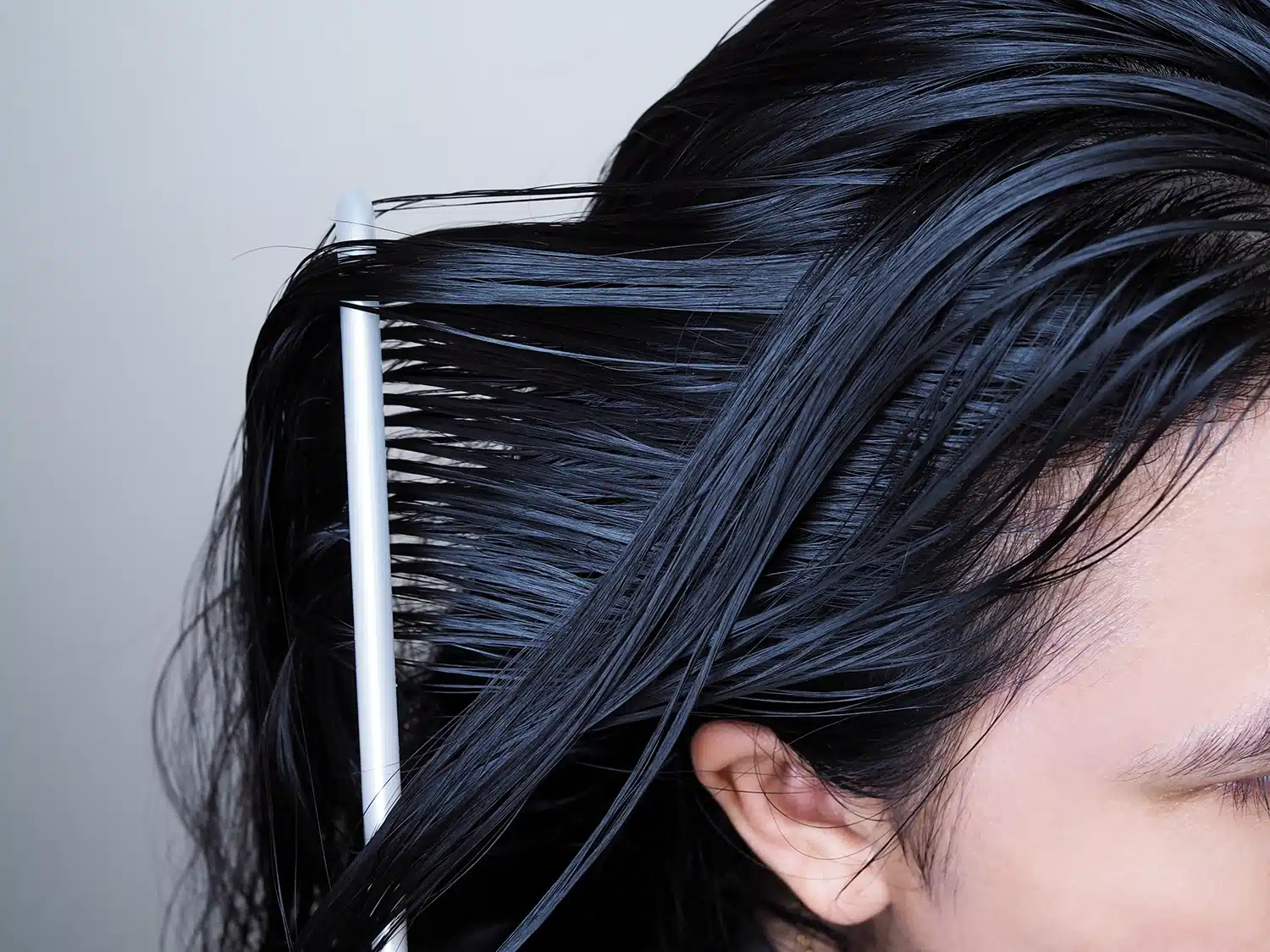
Hair that appears greasy or limp within hours of washing.

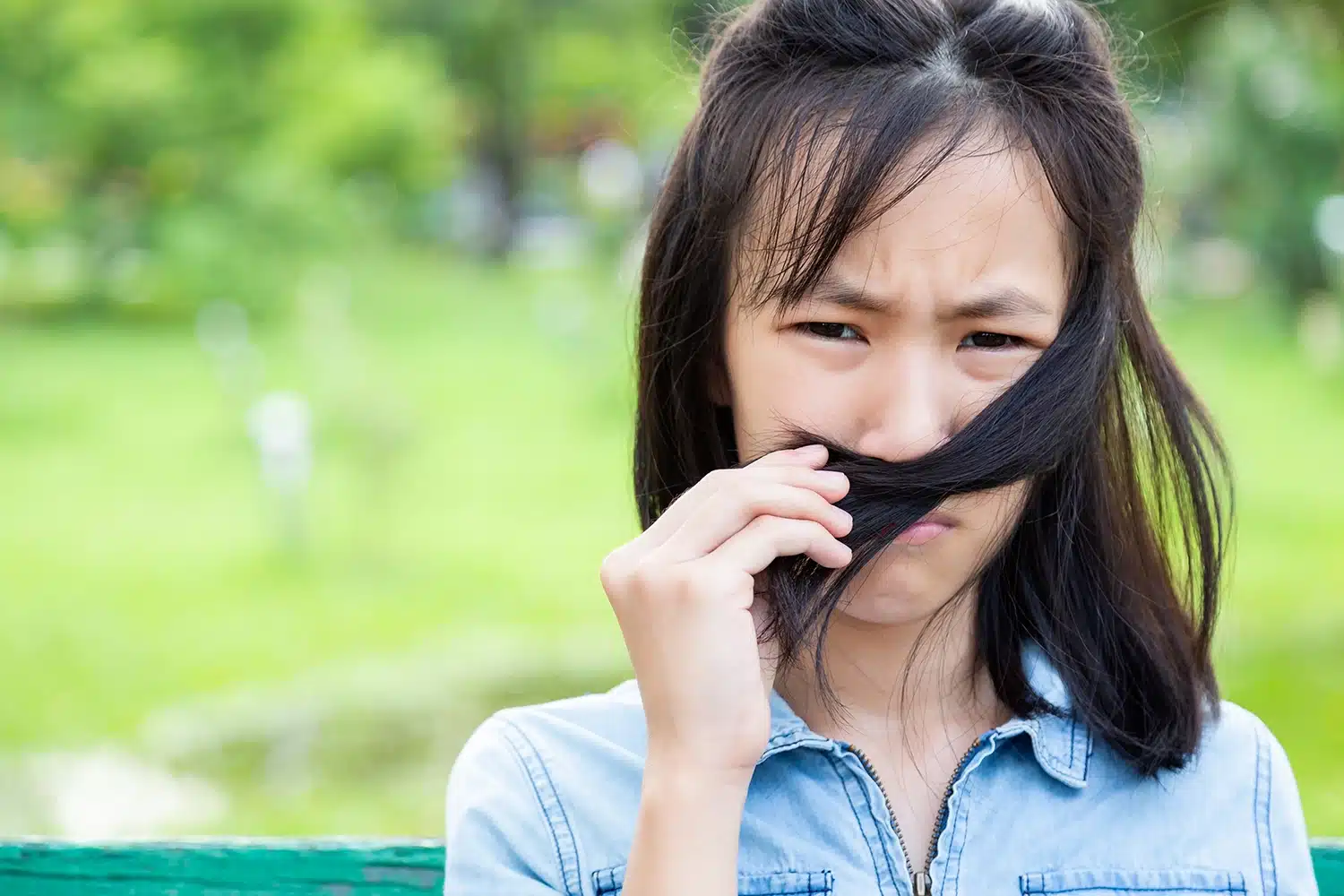
A persistent scalp odour, particularly towards the end of the day.

Visible scalp buildup or residue at the roots.

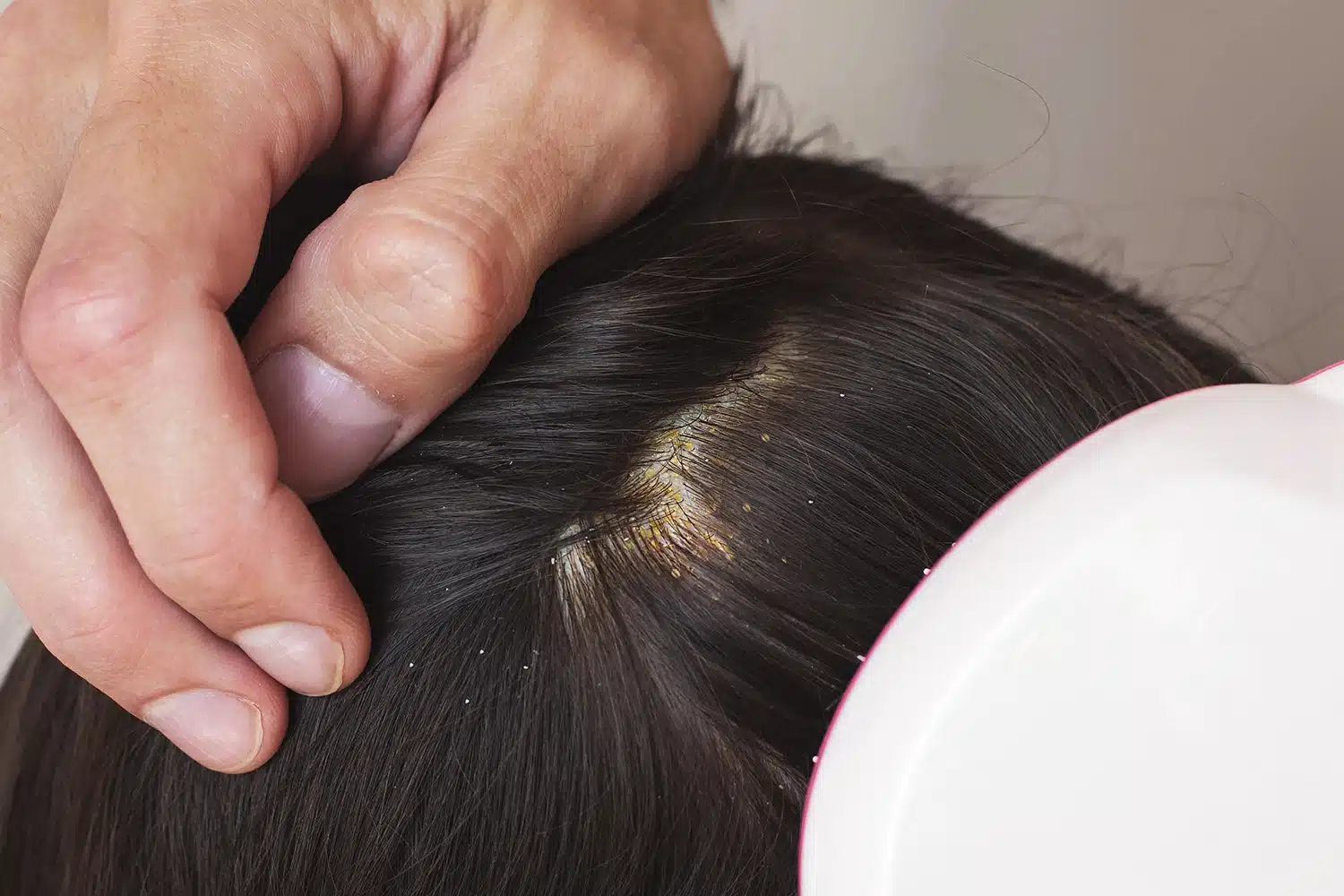
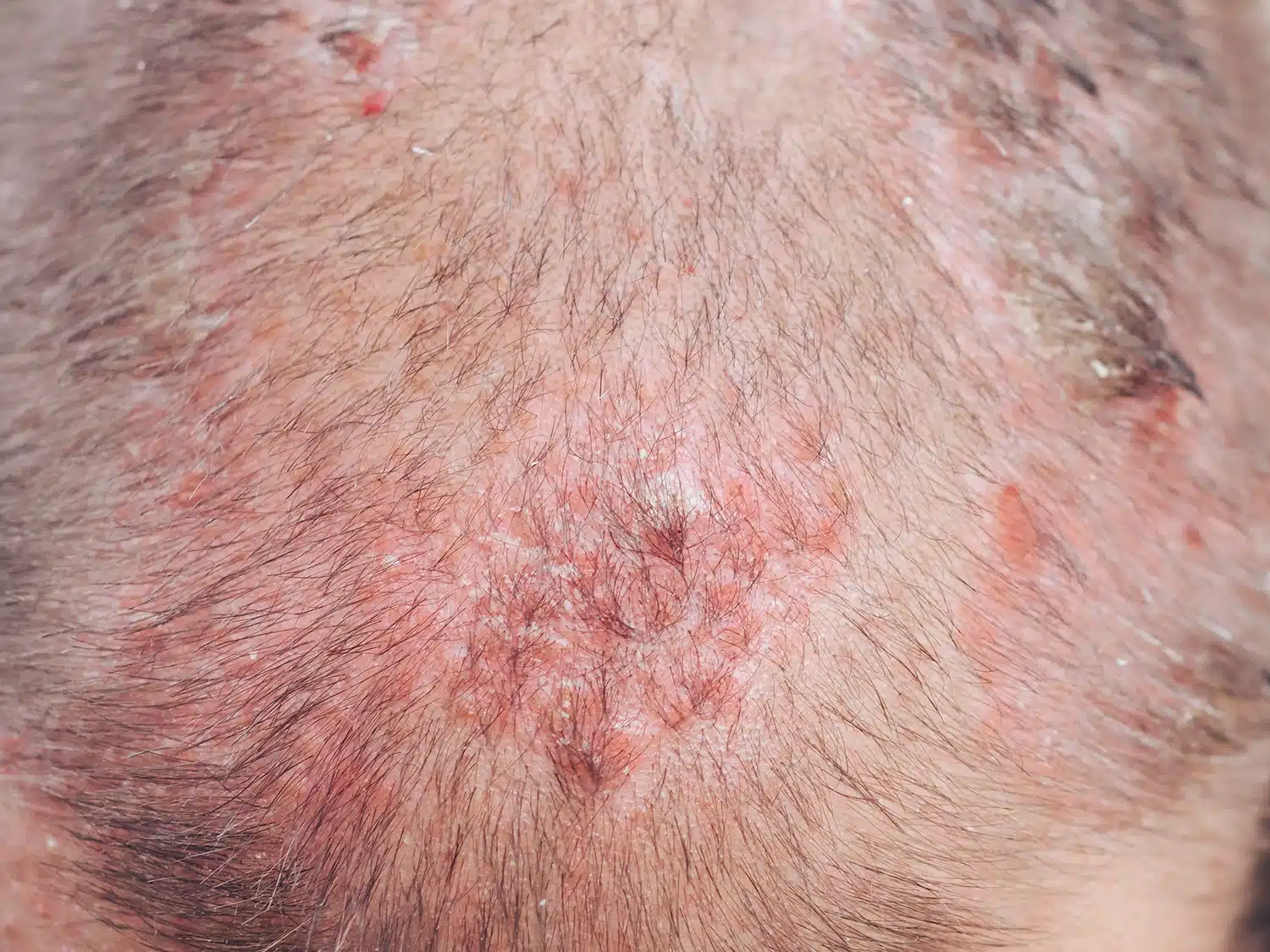
Dandruff accompanied by oily, yellowish flakes is a sign of seborrheic dermatitis rather than dry dandruff.

A tendency towards scalp acne or folliculitis.

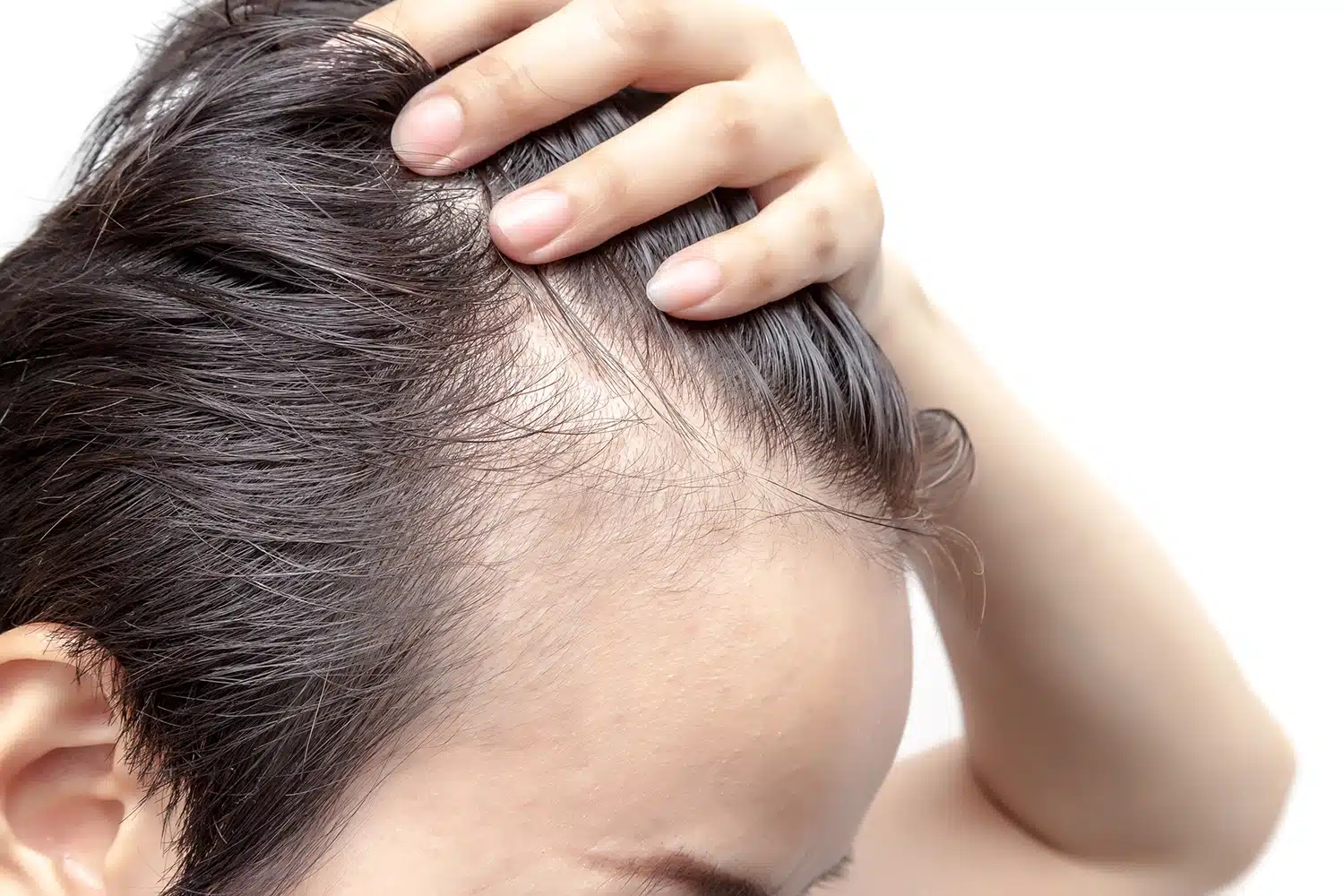
Hair loss or thinning is associated with follicle congestion.

What Causes an Oily Scalp?

Several factors contribute to excess sebum production:

  • Genetics: Sebaceous gland activity is largely genetically determined. Some individuals simply produce more sebum than others.

  • Hormonal activity: Androgens stimulate sebaceous gland activity. Hormonal fluctuations during puberty, menstruation, pregnancy, or as a result of certain medications can all worsen scalp oiliness.

  • Climate: Singapore’s year-round heat and humidity are major drivers of elevated sebum production.

  • Over-washing: Stripping the scalp of its natural oils triggers a compensatory increase in sebum production, worsening oiliness over time.

  • Diet: High-glycaemic diets and certain foods have been associated with increased sebum production in susceptible individuals.

  • Stress: Elevated cortisol is associated with increased androgen activity, which stimulates sebum production.

  • Product buildup: Certain styling products, conditioners applied to the scalp, and dry shampoos can contribute to follicle congestion and worsen the appearance of an oily scalp.

TrichoLab Hair Loss Treatment Reviews

How To Manage An Oily Scalp At Home And In Between Sessions

Wash your hair with a gentle, pH-balanced shampoo formulated for oily scalps. Avoid harsh, stripping formulas that trigger compensatory sebum production.

Do not wash more frequently than necessary — daily washing can worsen oiliness over time.

Rinse with cool water. Hot water stimulates sebaceous gland activity.

Avoid applying conditioner to the scalp; concentrate it on the mid-lengths and ends only.

Limit the use of dry shampoo, which absorbs surface oil but can contribute to follicle buildup over time.

Follow your specialist's home care recommendations. TrichoLab's treatment protocols include home solutions as part of a holistic scalp management approach.

FAQ

The most appropriate treatment depends on the severity and underlying cause of your oily scalp. The Sebum Control Treatment is TrichoLab’s dedicated oily scalp protocol, while the Salicylic Acids Peel is particularly suited to those with congested follicles and product buildup. For those whose oily scalp is accompanied by dehydration, the Hydra Balancing Scalp Treatment addresses both concerns. For a comprehensive approach that also targets follicle health and early thinning, the Follicle Boost Tri-Active Treatment, combining scalp laser, PDRN, and LDM, is our most advanced option. A scalp analysis at consultation will identify the right approach

If your scalp feels oily within 24 hours of washing, it is likely that your sebaceous glands are overactive, or that your current washing routine is triggering a compensatory response. Harsh shampoos, over-frequent washing, and hot water all strip the scalp of its natural oils, signalling the sebaceous glands to produce more sebum. Paradoxically, washing too frequently can make oily scalp worse over time. A scalp analysis can help identify whether your glands are intrinsically overactive or whether your current routine is contributing.

This occurs when the scalp overproduces sebum at the root, but the sebum does not travel down the hair shaft to the mid-lengths and ends, often because of mechanical damage, high porosity, or breakage. The result is greasy roots and dry, brittle ends. Managing oiliness at the scalp while using nourishing, moisture-retaining products on the lengths is the appropriate approach, rather than stripping the scalp further.

Yes,  used correctly and at appropriate frequency. Clinical-grade scalp peels such as TrichoLab’s Salicylic Acids Peel are particularly effective because salicylic acid (a BHA) penetrates into the follicle opening to dissolve sebum from within. At-home masks can provide supplementary maintenance between sessions. Over-use, however, can strip the scalp and worsen compensatory sebum production.

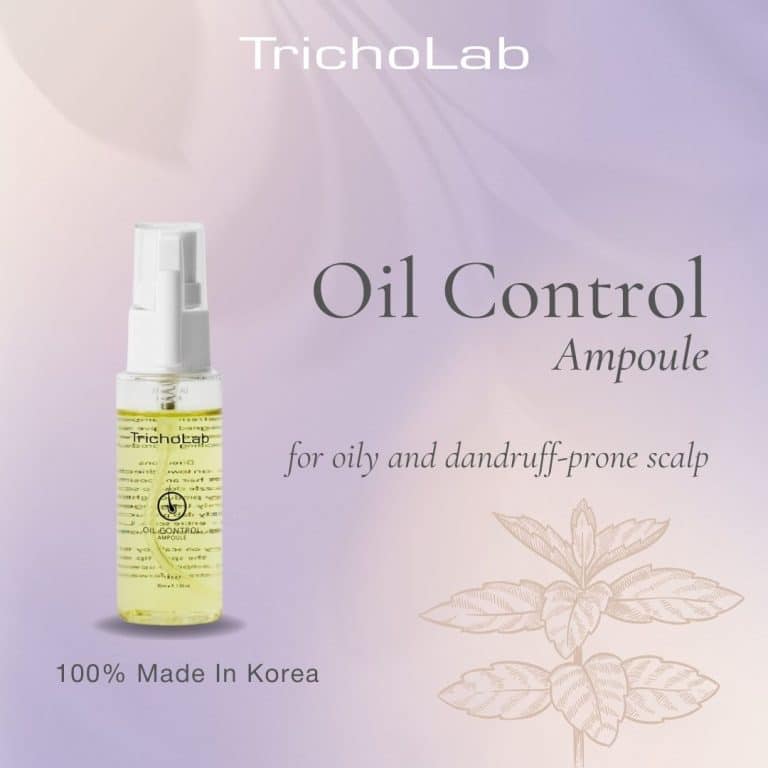
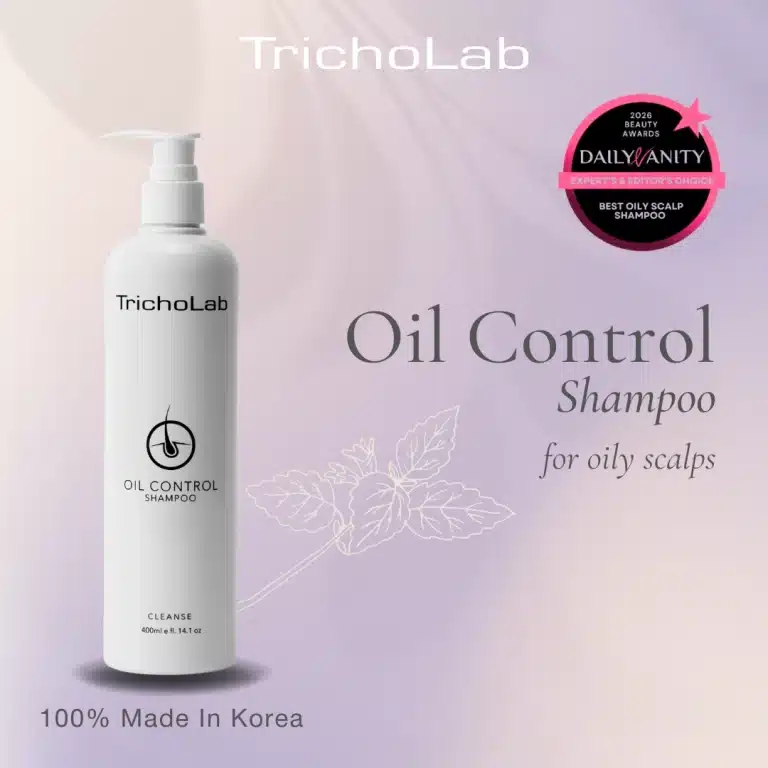
Look for lightweight, pH-balanced shampoos formulated for oily scalps — ideally without sulphates, which strip the scalp and trigger compensatory oiliness. TrichoLab’s Oil Control Shampoo contains salicylic acid, peppermint extract, and papaya enzyme to clear congested follicles and regulate sebum. Pair it with the Oil Control Ampoule for ongoing sebum regulation between sessions. Avoid heavy conditioners applied to the scalp; condition only from the mid-lengths downward.

A sustainable oily scalp routine typically involves washing every 2 to 3 days using TrichoLab’s Oil Control Shampoo; rinsing with cool or lukewarm water; applying conditioner only to the mid-lengths and ends; and following up with the Oil Control Ampoule on towel-dried hair. Avoid heavy styling products at the roots. Following your specialist’s homecare protocol is the most reliable guide, as the ideal routine varies with individual scalp conditions.

Most oily scalp treatment protocols at TrichoLab involve an initial course of sessions (typically every 2 to 4 weeks) to bring sebum production under control, followed by maintenance appointments to sustain results. The appropriate frequency depends on your scalp condition and the treatment used, your specialist will advise on a suitable schedule following your scalp analysis.

For oily scalps, choose a dry shampoo that is lightweight and residue-free, avoid formulas with heavy starches or silicones that can contribute to buildup. Apply sparingly at the roots only, and avoid using daily as a substitute for washing. Dry shampoo absorbs surface sebum but does not cleanse the scalp or follicles. It is best used as an occasional between-wash tool. For a more effective homecare approach, TrichoLab’s Oil Control Shampoo and Oil Control Ampoule offer a more thorough sebum management solution.

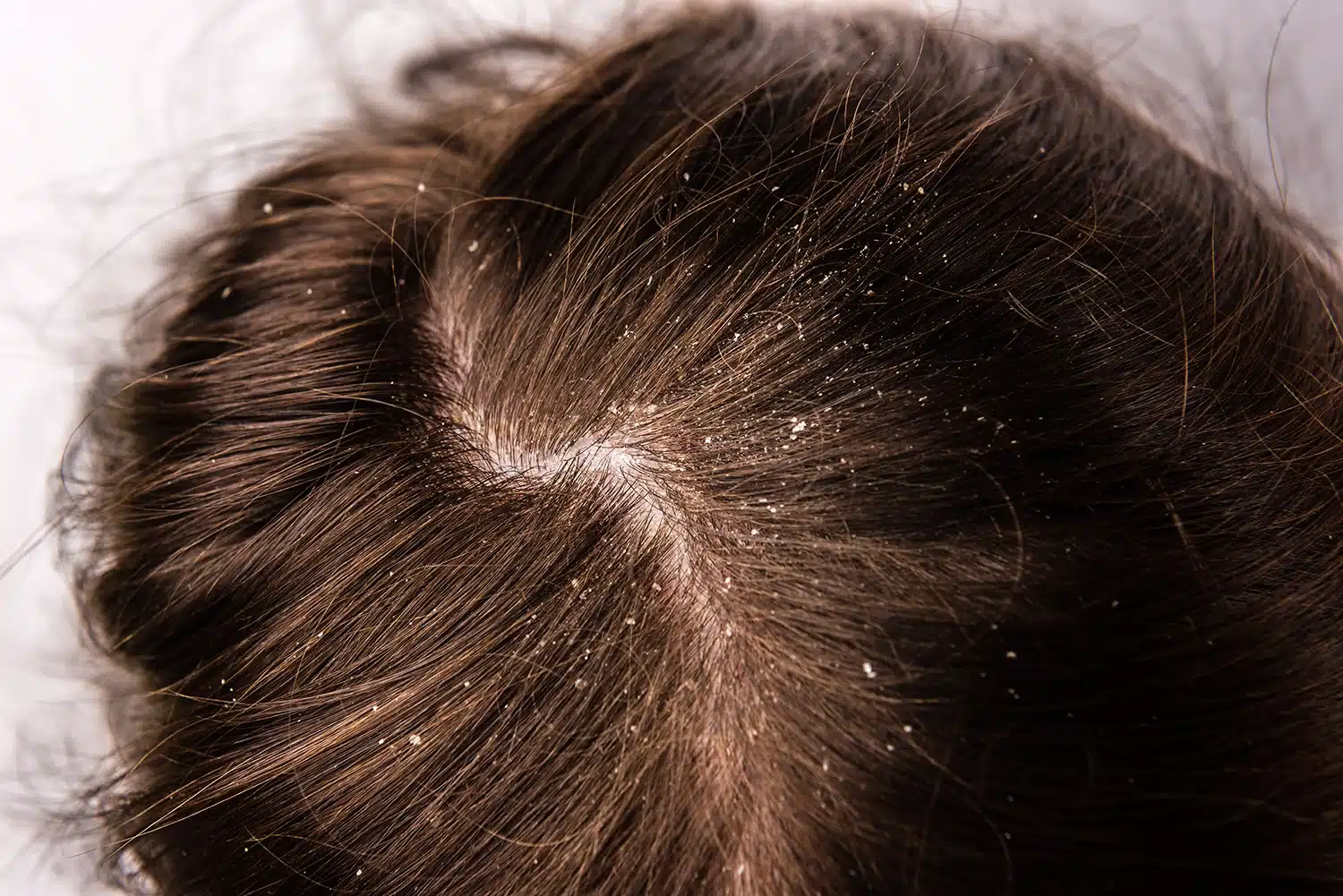
Not exactly, though the two are closely related. Oily dandruff, seborrheic dermatitis,  is associated with excess sebum, which provides the environment in which Malassezia yeast proliferates. However, dandruff can also occur on a dry scalp. If your dandruff flakes are yellowish and oily rather than dry and white, an oily scalp is likely the underlying driver.

An itchy, flaky, oily scalp is typically a sign of seborrheic dermatitis, driven by Malassezia yeast overgrowth in a sebum-rich environment. Addressing it requires consistent management of sebum production, antifungal treatment where Malassezia is active, and maintenance to prevent recurrence. In-clinic treatments such as TrichoLab’s Scalp Revival Treatment and Salicylic Acids Peel address both the oil and the microbial environment. A scalp analysis will confirm whether seborrheic dermatitis is the diagnosis and guide the right protocol.

Yes, indirectly. Excess sebum can contribute to follicle congestion, impairing follicle function over time. Scalp inflammation associated with seborrheic dermatitis, which an oily scalp can trigger, has also been linked to hair thinning. Addressing an oily scalp is therefore an important part of maintaining a healthy follicle environment.

Yes. Heat and humidity are directly associated with elevated sebum production. Singapore’s year-round tropical climate means the sebaceous glands are under consistent stimulation, making oily scalp a chronic rather than seasonal concern for many.