We are closed from 18 Feb (Tue) - 20 Feb (Thu) for our annual team building. We will reopen on 21 Feb (Fri).

We are closed from 18 Feb (Tue) - 20 Feb (Thu) for our annual team building. We will reopen on 21 Feb (Fri).
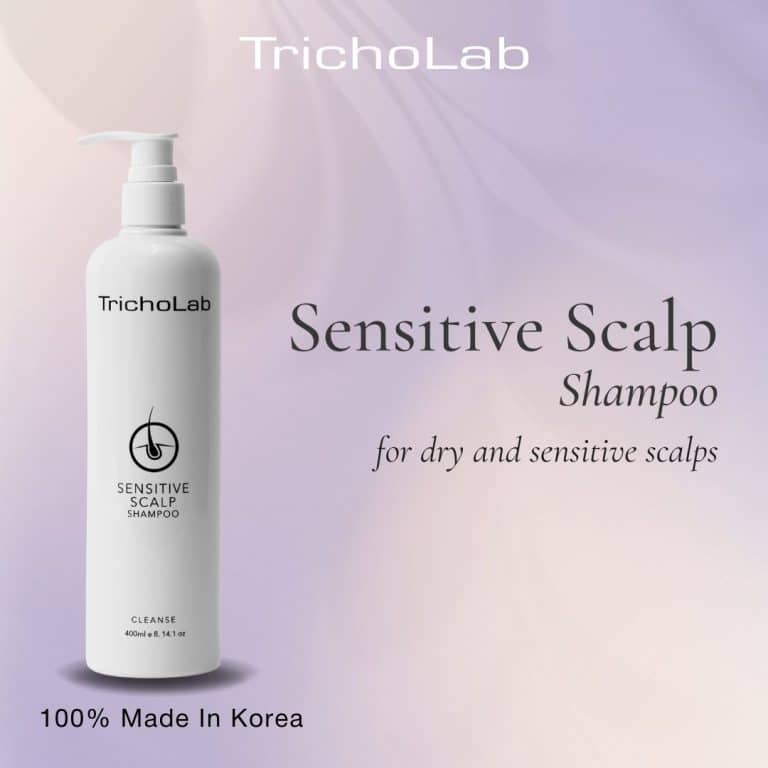
Best Sensitive Scalp Treatment in Singapore

Finding the best sensitive scalp treatment in Singapore requires care and precision; the wrong product or treatment can trigger the very reaction you are trying to manage. A sensitive scalp is not a single condition, and what causes it varies significantly between individuals.

At TrichoLab, our sensitive scalp protocols are developed by in-house scalp specialists and are always preceded by a detailed scalp analysis. Treatment is selected and adapted based on your specific scalp condition, not applied generically.

Best Sensitive Scalp Treatments at TrichoLab

TrichoLab’s sensitive scalp treatments are selected and adapted for tolerability, each formulated to address the underlying drivers of scalp sensitivity rather than simply managing surface symptoms. All treatments begin with a scalp analysis. Individual suitability is confirmed at the consultation.

Follicle Boost Tri-Active Treatment

A three-stage treatment combining scalp laser, PDRN therapy, and LDM (Local Dynamic Micro-massage) to simultaneously support scalp health, stimulate circulation, and strengthen the follicle environment. Suitable for sensitive scalps accompanied by early hair thinning.

Demodex Scalp Treatment

A targeted treatment for scalp sensitivity and irritation associated with Demodex mite overpopulation. Uses specialist actives designed to address excess mite populations and the follicle inflammation they cause.

Sensitive Reduction Treatment

TrichoLab’s core protocol for reactive and sensitive scalps. Designed to calm scalp inflammation, strengthen the scalp barrier, and reduce reactivity to environmental and product triggers over a course of sessions.

Hydrating Exfoliating Treatment

A gentle dual-action treatment that simultaneously hydrates and exfoliates the scalp, addressing the dryness and dead skin accumulation that often accompany a sensitive scalp, without the irritation risk of more intensive peels.

A sensitive scalp requires individual assessment before any treatment is recommended. Book a consultation so our specialists can evaluate your scalp’s reactivity and advise on the most appropriate protocol.

What Is a Sensitive Scalp?

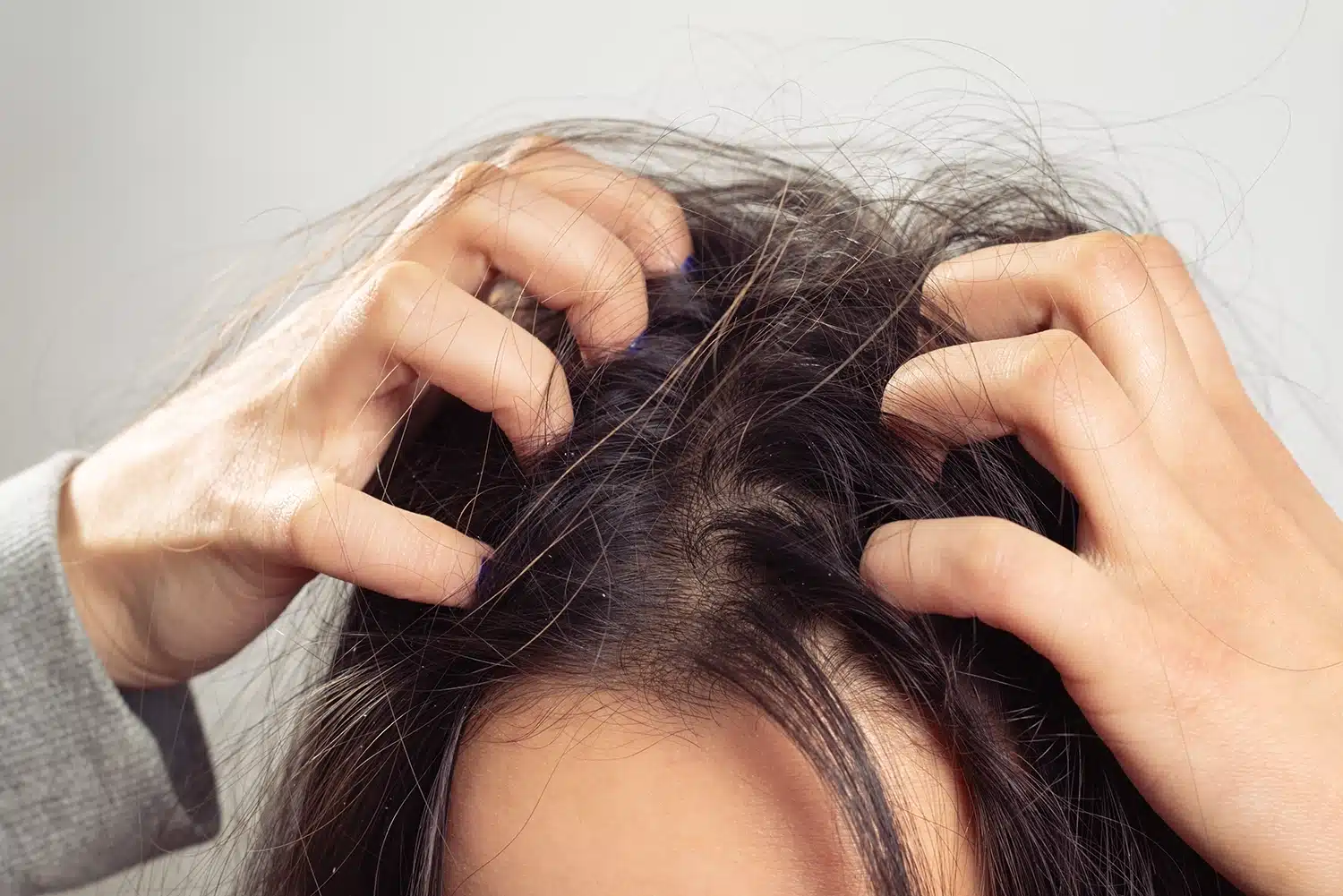
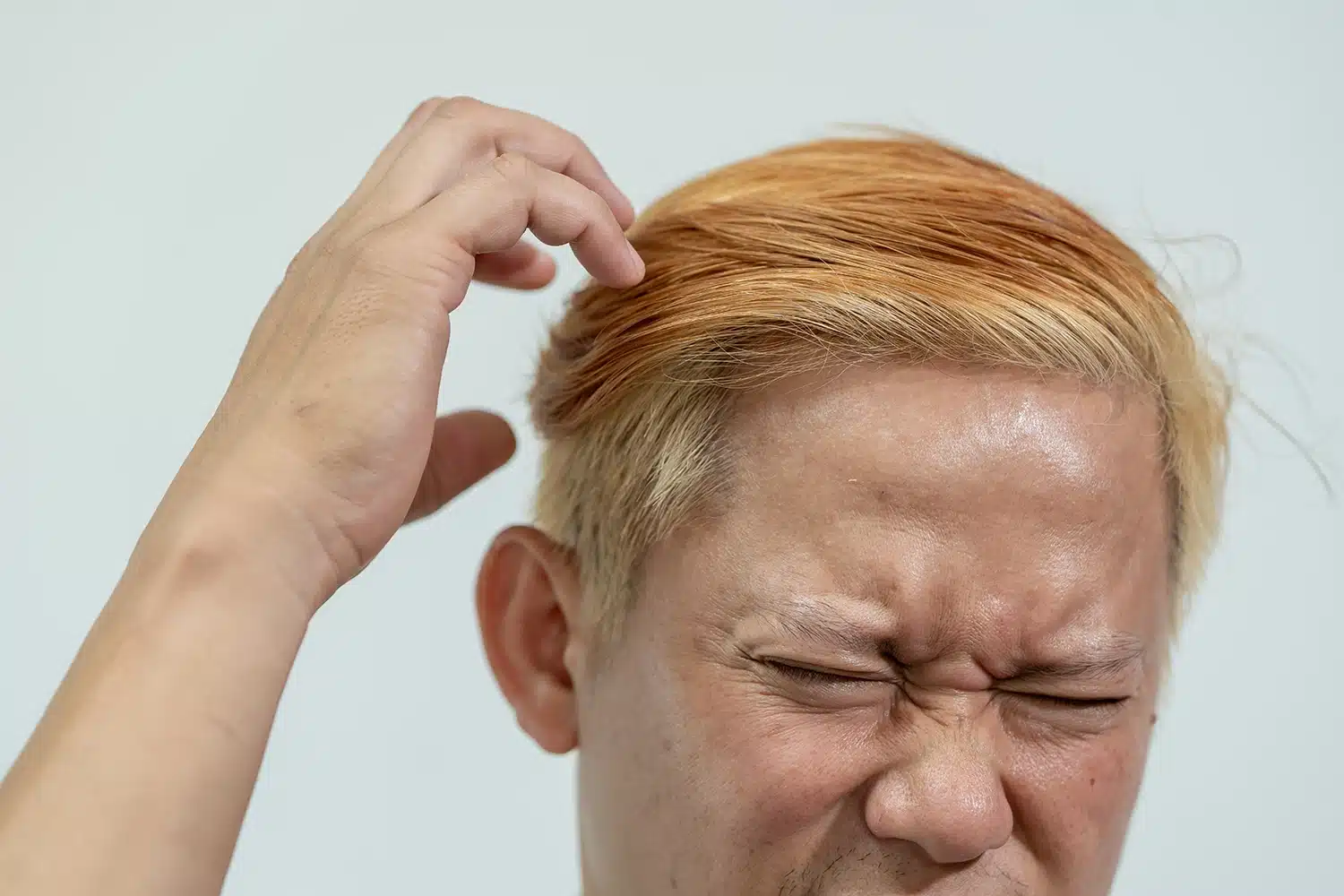
A sensitive scalp is one that reacts more readily than average to stimuli, whether physical, such as brushing or heat, chemical, such as shampoo ingredients or dye, or environmental, such as temperature and humidity. The result can be itching, stinging, tightness, redness, or a persistent sense of scalp discomfort that makes everyday scalp management difficult.

A sensitive scalp is often associated with an impaired scalp barrier, similar to sensitive skin on the face, where the protective outer layer of the scalp is compromised, allowing irritants and environmental triggers to elicit a stronger response. It can be a persistent characteristic of your scalp type or a temporary state triggered by overtreatment, environmental change, or an underlying condition.

What Are the Types of Sensitive Scalp?

Scalp sensitivity presents in several distinct ways:

Reactive Scalp

A scalp that stings, itches, or becomes red in response to product application, heat, or environmental changes without an identifiable underlying condition.

Demodex-Related Sensitivity

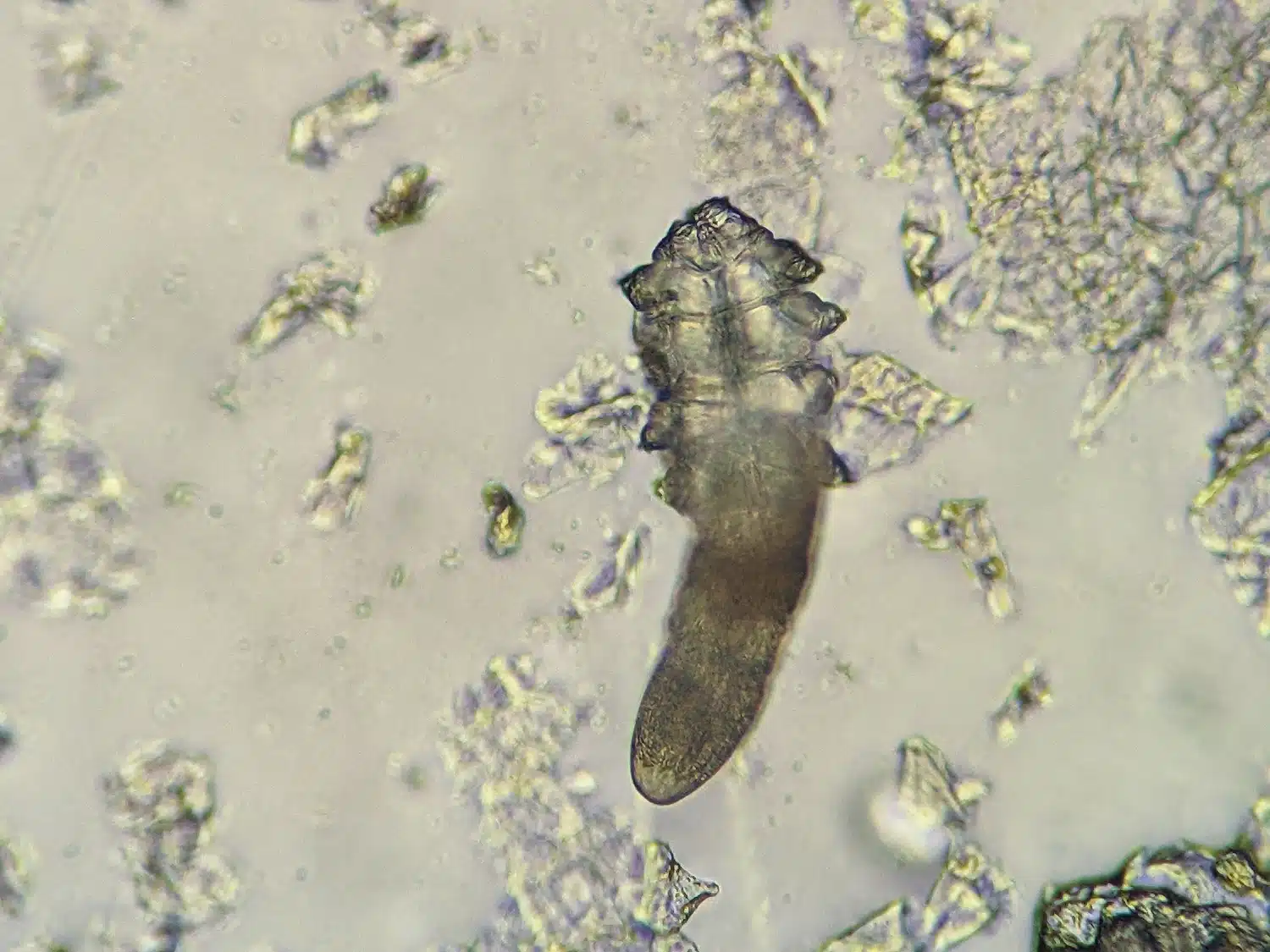
Demodex are microscopic mites that naturally inhabit hair follicles. When their population is excessive, they can cause scalp itching, irritation, folliculitis, and hair thinning. Demodex overpopulation is more common than many realise and is frequently misidentified as general scalp sensitivity.

Scalp Eczema

(Atopic Dermatitis)
A chronic inflammatory condition that presents as intense itching, dryness, and periodic flares on the scalp. Associated with an impaired skin barrier and immune dysregulation.

Contact Dermatitis

Scalp irritation or allergic reaction triggered by a specific product ingredient, commonly fragrances, preservatives, or hair dye chemicals.

Post-Treatment Sensitivity

Temporary scalp sensitivity following chemical treatments such as colouring, bleaching, or chemical relaxers, where the scalp barrier has been transiently disrupted.

What Causes Scalp Sensitivity?

Contributing factors to a sensitive scalp include:

  • A compromised scalp barrier: Harsh shampoos, over-washing, chemical treatments, and environmental exposure can disrupt the scalp’s protective layer.

  • Demodex overpopulation: An excessive number of scalp mites in the follicles, which triggers inflammation and irritation.

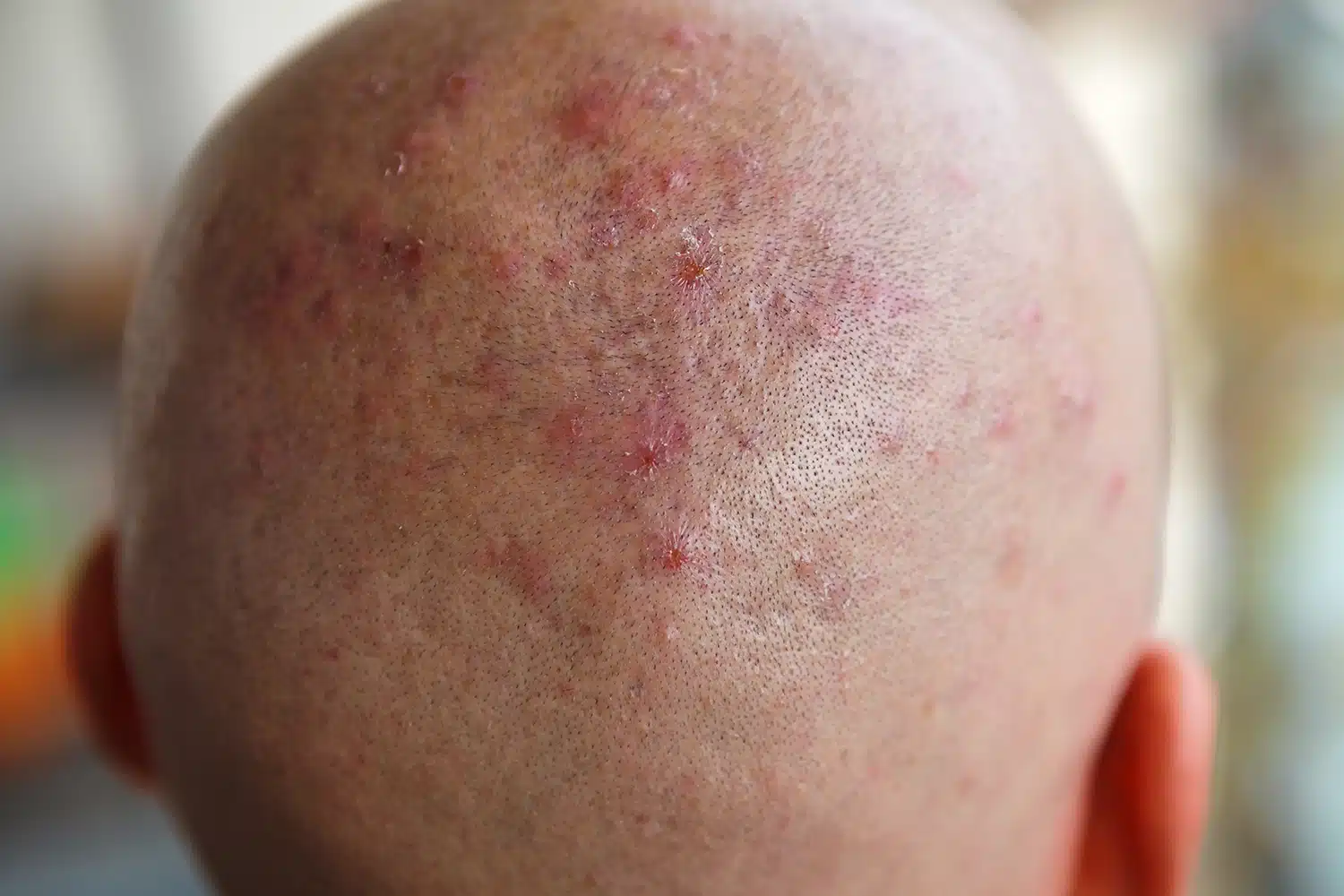
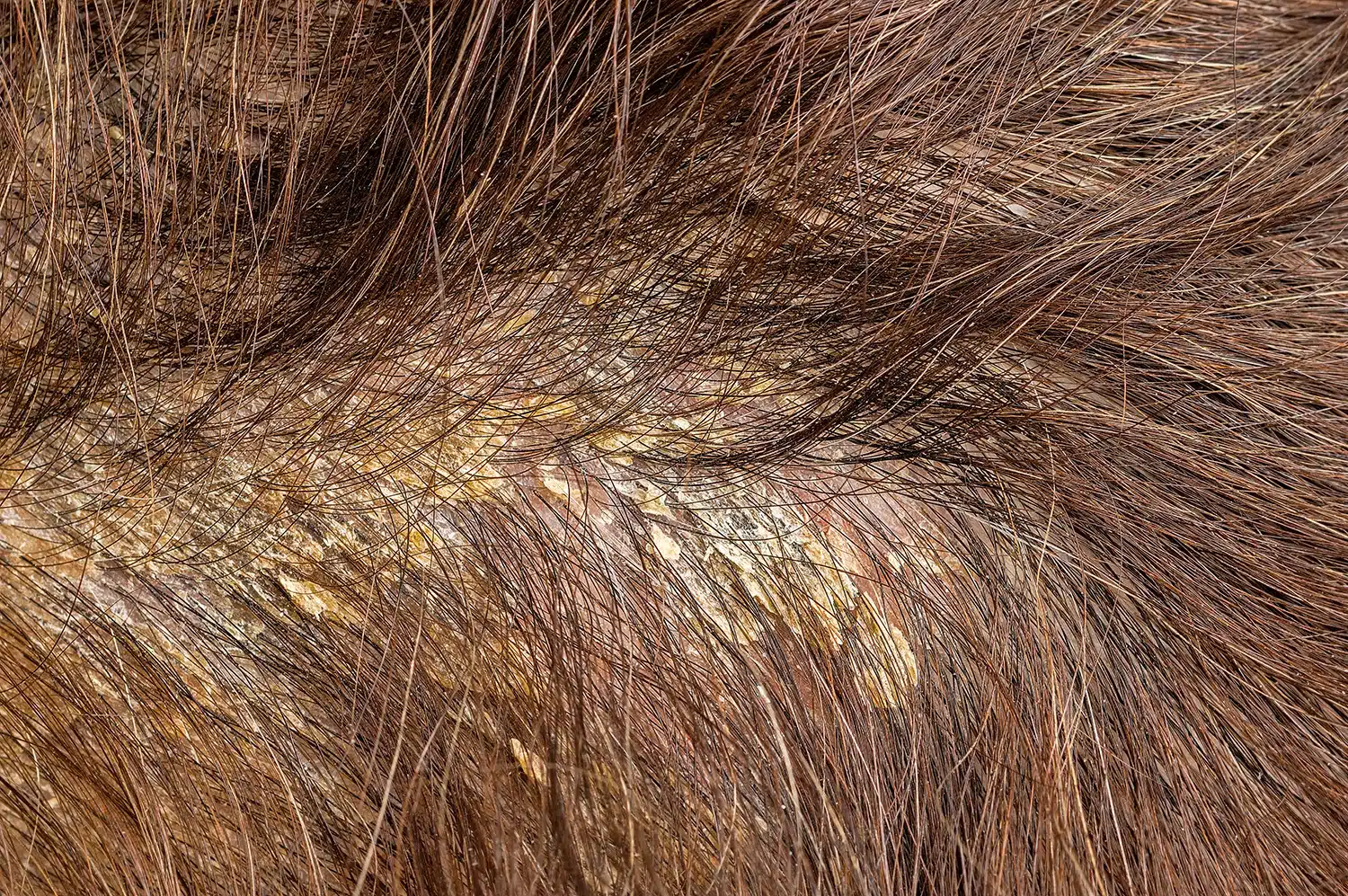
  • Underlying inflammatory conditions: Eczema, psoriasis, and seborrheic dermatitis are all associated with scalp sensitivity.

  • Allergic reactions: Sensitivity or allergy to specific ingredients in hair products.

  • Stress: A well-documented trigger for inflammatory flares in sensitive and reactive scalps.

  • Environmental factors: Singapore’s heat, humidity, UV exposure, and pollutants may challenge a reactive scalp.

  • Hormonal changes: Fluctuations in hormones can alter scalp sensitivity and reactivity.

TrichoLab Hair Loss Treatment Reviews

Managing a Sensitive Scalp Between Sessions

Keep your scalp care routine simple. Fewer products reduce the risk of encountering a triggering ingredient.

Choose fragrance-free, pH-balanced shampoos and conditioners formulated for sensitive scalps.

Patch-test new hair products before full application.

Avoid heat styling at high temperatures, which can further disrupt an already compromised scalp barrier.

Apply SPF to any exposed scalp areas, particularly along the parting, as UV exposure is a recognised trigger for scalp inflammation.

Manage stress where possible, as it is a documented trigger for inflammatory flares in sensitive scalps.

Follow your specialist's home care protocol. TrichoLab's treatment plans include home solutions tailored to your scalp condition.

FAQ

The most appropriate treatment depends on whether you have dry or oily dandruff. For oily dandruff and seborrheic dermatitis, the Scalp Revival Treatment, with its antifungal and scalp-calming actives, is typically the most targeted approach. For those looking to prevent recurrence, the Dandruff Prevention Treatment supports long-term scalp balance. A scalp analysis at consultation will identify which type you have and determine the right protocol.

It depends on the cause. Some individuals have a scalp type that is inherently more reactive. Others develop sensitivity as a temporary response to overtreatment, a product reaction, or an environmental change, and the scalp can recover with appropriate care. Underlying conditions such as eczema and psoriasis are typically managed rather than resolved, but they can often be well controlled with the right approach.

In most cases, yes. But protocol selection and product choices must be adapted to your level of sensitivity. A scalp analysis and consultation are essential before any treatment is commenced, so that the appropriate treatment is selected and any known triggers are avoided.

Commonly associated irritants include synthetic fragrances, alcohol in high concentrations, sodium lauryl sulphate (SLS), strong preservatives, and certain essential oils. Hair dye chemicals,  particularly paraphenylenediamine (PPD), are a frequent cause of allergic contact dermatitis on the scalp. Your specialist can advise on appropriate product choices for your scalp condition.

Demodex are microscopic mites that inhabit hair follicles in most adults. At low populations, they are harmless. When their numbers become excessive, they can cause persistent scalp itching, follicle inflammation, and hair thinning. Demodex overpopulation is identified through a scalp analysis; it cannot be self-diagnosed. If you have chronic scalp itching or irritation that has not responded to standard treatments, Demodex may be a contributing factor.

This varies by scalp condition, sensitivity level, and the treatment recommended. Your specialist will advise on a suitable course of treatment following your scalp analysis and consultation.