We are closed from 18 Feb (Tue) - 20 Feb (Thu) for our annual team building. We will reopen on 21 Feb (Fri).

We are closed from 18 Feb (Tue) - 20 Feb (Thu) for our annual team building. We will reopen on 21 Feb (Fri).

Best Male Hair Loss Treatment in Singapore

Finding the best male hair loss treatment in Singapore starts with understanding what stage and type of hair loss you are experiencing. Male hair loss is progressive, and the earlier it is addressed, the more options are available and the better the likely outcome.

At TrichoLab, our treatments are developed by in-house scalp specialists and supported by medical science. Every treatment begins with a detailed scalp analysis so that your protocol is matched to your specific condition and stage of hair loss, not a generic template.

What Are The Most Effective Hair Loss Treatments Available In Singapore?

There is a broad range of hair loss treatments available in Singapore, spanning medical, clinical, and non-invasive approaches. Understanding the different categories helps you make a more informed decision about what is right for your condition and lifestyle.

Topical and Oral Medications

Topical minoxidil and oral finasteride are the most widely prescribed medications for androgenetic alopecia in Singapore. Minoxidil widens blood vessels in the scalp to prolong the hair growth phase and is available over the counter for both men and women. Finasteride works by blocking the conversion of testosterone to DHT, the hormone responsible for follicle miniaturisation, and is prescribed for men only.

Both require continuous, indefinite use to maintain results. Finasteride, in particular, can carry side effects including reduced libido, erectile dysfunction, and mood changes in some individuals. Results typically take 3 to 6 months to become apparent.

Hair Transplant Surgery (FUE / FUT)

Hair transplant surgery permanently relocates hair follicles from donor areas to areas of thinning or baldness. It is the most definitive option for those with advanced, stabilised hair loss and can produce long-lasting, natural-looking results. However, it is a surgical procedure involving recovery time, potential bruising and swelling, and high cost. It does not address the underlying condition driving ongoing loss. Untreated hair loss may continue in non-transplanted areas without adjunct treatment.

Platelet-Rich Plasma (PRP) Therapy

PRP involves drawing a small amount of the patient’s own blood, processing it to concentrate the platelets, and injecting the platelet-rich plasma into the scalp. Platelets contain growth factors that may stimulate follicle activity and improve hair density. PRP is a minimally invasive medical procedure requiring trained clinical oversight and typically involves multiple sessions with periodic maintenance. Note that PRP for hair loss remains unapproved by certain regulatory bodies in Singapore as of 2025. Please confirm the current regulatory status with your treating provider.

Low-Level Laser Therapy (LLLT)

LLLT uses red or near-infrared light wavelengths to stimulate blood circulation in the scalp and extend the active hair growth phase. It is non-invasive and painless, available both in-clinic and as at-home laser cap devices. Evidence is growing, though results vary considerably between individuals. LLLT is most often used alongside other treatments rather than as a standalone approach.

Non-Invasive Clinical Treatments - TrichoLab's Speciality

At TrichoLab, our speciality lies in non-invasive, non-pharmaceutical hair loss treatments, designed for those who want to address hair loss effectively without medication side effects, surgical risks, or downtime. Our protocols combine clinically proven technologies with high-quality natural and regenerative ingredients.

Best Male Hair Loss Treatments at TrichoLab

TrichoLab’s male hair loss treatments are designed to slow the progression of hair loss, support the health of existing follicles, and stimulate regrowth where follicles remain active. All treatments begin with a scalp analysis. Individual results will vary based on the type and stage of hair loss.

Signature Medical Microneedling Hair Growth

TrichoLab’s advanced hair growth protocol uses medical microneedling to create controlled micro-channels in the scalp, stimulating the body’s natural healing response and supporting follicle activation. One of the most clinically established non-surgical approaches for androgenetic alopecia.

Signature Medical Microneedling + IYASHI Exosomes

The Signature Microneedling protocol enhanced with IYASHI Exosome therapy – delivering growth factors and regenerative signalling proteins directly to the scalp via the micro-channels created by the needling, for a more comprehensive follicle-level intervention.

Hair Loss Control Treatment

A targeted, non-medicated treatment for men experiencing hair thinning or early hair loss driven by DHT. Combines Duo Wave LDM ultrasound with a concentrated Saw Palmetto ampoule to inhibit the 5-alpha reductase enzyme responsible for DHT production, and LED light therapy to stimulate follicle cells and support cellular repair.

Hair Vitality Treatment

Designed to strengthen existing hair and support a healthier scalp environment. Combines nourishing scalp therapy with active ingredients to improve hair density and resilience. Well-suited to earlier stages of hair loss or as a maintenance protocol.

Not sure which treatment is right for your stage of hair loss? Book a consultation, and our scalp specialists will assess your scalp and advise on the most appropriate approach.

What Is Male Pattern Hair Loss?

Male pattern hair loss, also known as androgenetic alopecia, is the most common form of hair loss in men, affecting a significant proportion of Singaporean men by their 40s. It is driven by a genetic sensitivity to dihydrotestosterone (DHT), a hormone derived from testosterone that causes hair follicles to progressively miniaturise. Over time, affected follicles produce thinner, shorter, and lighter strands until they eventually stop producing hair altogether.

The condition is progressive and chronic. Without intervention, it will continue to advance. Early treatment gives the best opportunity to slow progression and maintain existing hair density.

What Are the Stages of Male Pattern Hair Loss?

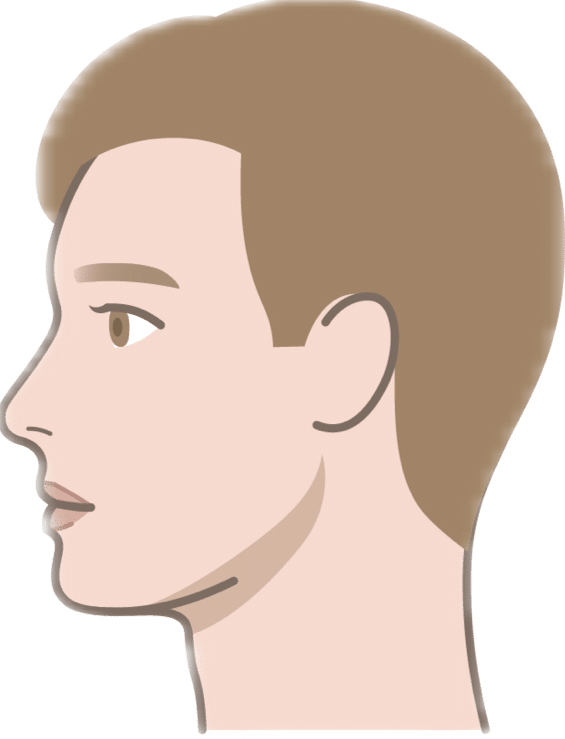
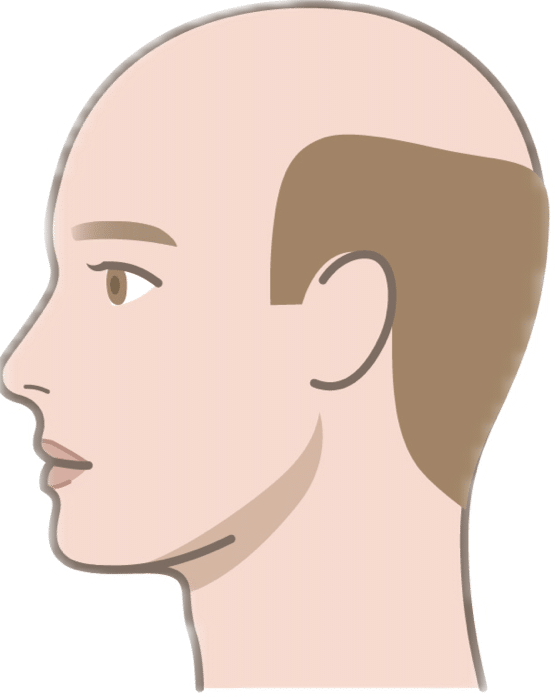
Male pattern hair loss is commonly classified using the Norwood Scale, which describes seven stages of progression:

Stage 1

No significant hair loss. Hairline is as it was in early adulthood.

Stage 2

Slight recession at the temples. Often, the first visible sign of androgenetic alopecia.

Stage 3

Deeper temple recession, with or without early thinning at the crown. This is typically when treatment is most impactful.

Stage 4

Significant temple recession and crown thinning, separated by a band of hair.

Stage 5

The band separating the temple and crown thinning narrows noticeably.

Stage 6

Only a band of hair along the sides and back of the head remains.

TrichoLab’s treatments are most suited to Stages 1 through 5. A scalp analysis will help identify your current stage and advise on realistic outcomes.

What Causes Male Hair Loss?

While androgenetic alopecia is the most common cause, male hair loss can have several contributing or concurrent drivers:

  • DHT sensitivity: The primary driver of male pattern hair loss. Genetically determined sensitivity to DHT causes progressive follicle miniaturisation.

  • Genetics: A family history of hair loss on either parent’s side increases susceptibility, though the genetic picture is complex and not simply inherited from one parent.

  • Age: Hair follicle sensitivity to DHT increases with age. Hair loss that begins earlier in life tends to progress more rapidly.

  • Scalp health: Excess sebum, chronic dandruff, scalp inflammation, and follicle congestion can impair follicle function and accelerate or worsen thinning.

  • Stress: Elevated cortisol can push hair follicles into the shedding phase prematurely and has been associated with worsening of androgenetic alopecia.

  • Nutritional deficiencies: Deficiencies in iron, zinc, vitamin D, and B vitamins are associated with hair thinning and shedding.

  • Medical conditions: Thyroid dysfunction, autoimmune conditions such as alopecia areata, and certain medications can also cause hair loss in men.

TrichoLab Hair Loss Treatment Reviews

What To Do Between Male Hair Loss Treatments

  • Address scalp health proactively. Excess sebum, dandruff, and scalp inflammation can all worsen follicle function. Speak to your specialist about whether a scalp condition is contributing to your hair loss.

  • Manage stress where possible. Chronic stress is both a trigger for acute shedding and a documented contributor to the worsening of androgenetic alopecia.

  • Avoid hairstyles or practices that place mechanical tension on the hairline, such as tight caps, excessive traction, or aggressive brushing.

  • Ensure adequate nutritional intake. Blood tests for iron, ferritin, zinc, and vitamin D can identify deficiencies that may be contributing to thinning.

  • Follow your specialist’s home care protocol. TrichoLab’s treatment plans include home solutions as part of a holistic hair loss management approach.

FAQ

The most appropriate treatment depends on your stage and type of hair loss. TrichoLab’s Signature Medical Microneedling Hair Growth, with or without IYASHI Exosomes, is our most advanced hair growth protocol and is suited to those in the mid to more advanced stages of androgenetic alopecia. For those in earlier stages, the Hair Loss Control Treatment or Hair Vitality Treatment may be the most suitable starting point. A scalp analysis at consultation will help determine the right approach for your specific condition.

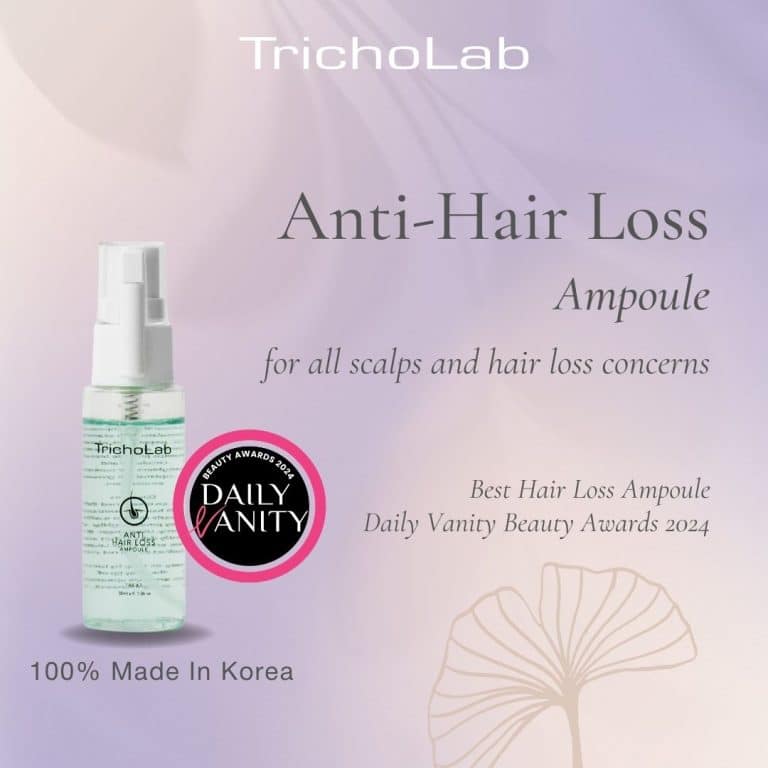
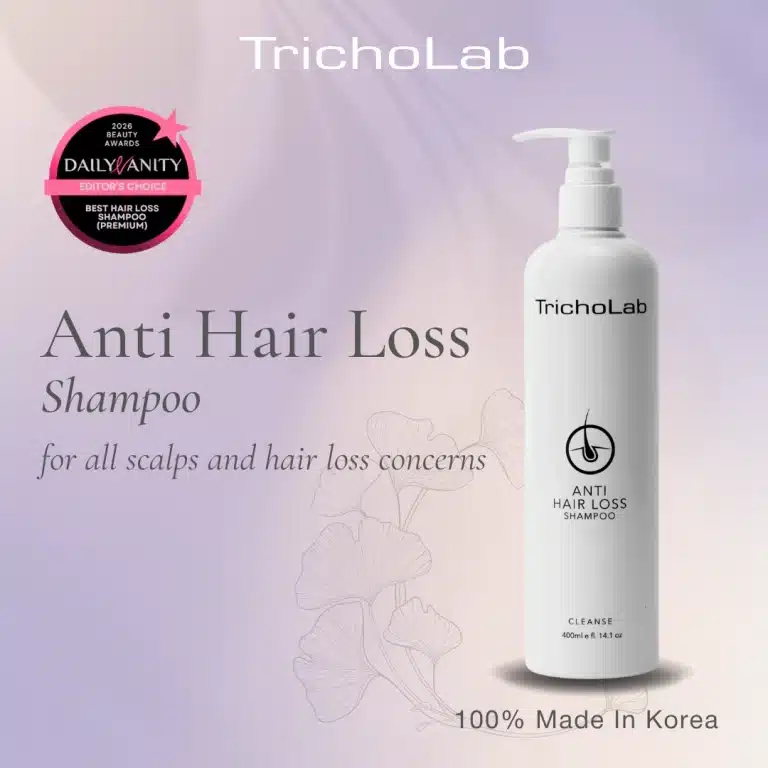
The most important step is to act early — male pattern hair loss is progressive, and the earlier it is addressed, the more options are available. A scalp analysis helps confirm the type and stage of hair loss and identifies contributing factors such as scalp health issues, nutritional deficiencies, or stress-related shedding. In-clinic treatments such as medical microneedling can help slow progression and support follicle health. Between sessions, TrichoLab’s Anti-Hair Loss Shampoo and Anti-Hair Loss Ampoule are formulated to support a healthy scalp environment and complement in-clinic treatment. There is no universal solution, but a structured, consistent approach gives the best results.

Not necessarily. Prescription medications such as finasteride and oral minoxidil can be effective for androgenetic alopecia, but they require ongoing daily use, are not suitable for everyone, and can carry side effects that some men prefer to avoid. At TrichoLab, our speciality is in non-invasive, non-pharmaceutical approaches to hair loss. For homecare, our Anti-Hair Loss Shampoo and Anti-Hair Loss Ampoule can support scalp health between sessions without pharmaceutical side effects. Whether prescription medication is appropriate is a decision best made with a qualified medical professional.

The right clinic depends on the type of treatment you are looking for, your stage of hair loss, and your preferences around invasiveness and medication. Key things to look for include a clinic that begins with a proper scalp analysis before recommending any treatment; transparent communication about realistic outcomes for your stage of hair loss; and specialist-developed protocols rather than generic treatments. TrichoLab’s approach is built on detailed scalp analysis, non-invasive treatments, and individually matched protocols, making it a strong fit for those seeking a natural, sustainable approach to hair loss management.

Male pattern hair loss can begin as early as the late teens or early 20s, though it typically becomes more noticeable in the 30s and 40s. The earlier the onset, the more likely it is to progress significantly without intervention. Early treatment gives the broadest range of options and the best opportunity to slow progression.

Androgenetic alopecia is not reversible; once a follicle has been fully miniaturised and stopped producing hair, it is unlikely to be reactivated. However, in the earlier and mid stages of hair loss, appropriate treatment can help slow progression significantly and support the health of follicles that are still active. The goal of treatment is to preserve existing hair and support the best possible scalp environment for sustained hair density.

Yes. An unhealthy scalp environment, including excess sebum, dandruff, follicle congestion, and inflammation, can impair follicle function and accelerate the progression of androgenetic alopecia. Addressing scalp health is a core component of every TrichoLab hair loss protocol, which is why each treatment begins with a scalp purification step.

This depends on your stage of hair loss, the treatment recommended, and your individual scalp response. Your specialist will advise on a suitable course of treatment following your scalp analysis and consultation.