Summary:
Hair shedding is a normal part of the hair growth cycle and does not always indicate hair loss, especially when overall hair density remains stable. However, persistent shedding, reduced volume or visible scalp changes may suggest underlying hair loss.
When searching for hair loss solutions in Singapore, you may want to consider a combination of topical treatments, oral medications and professional scalp-based therapies.
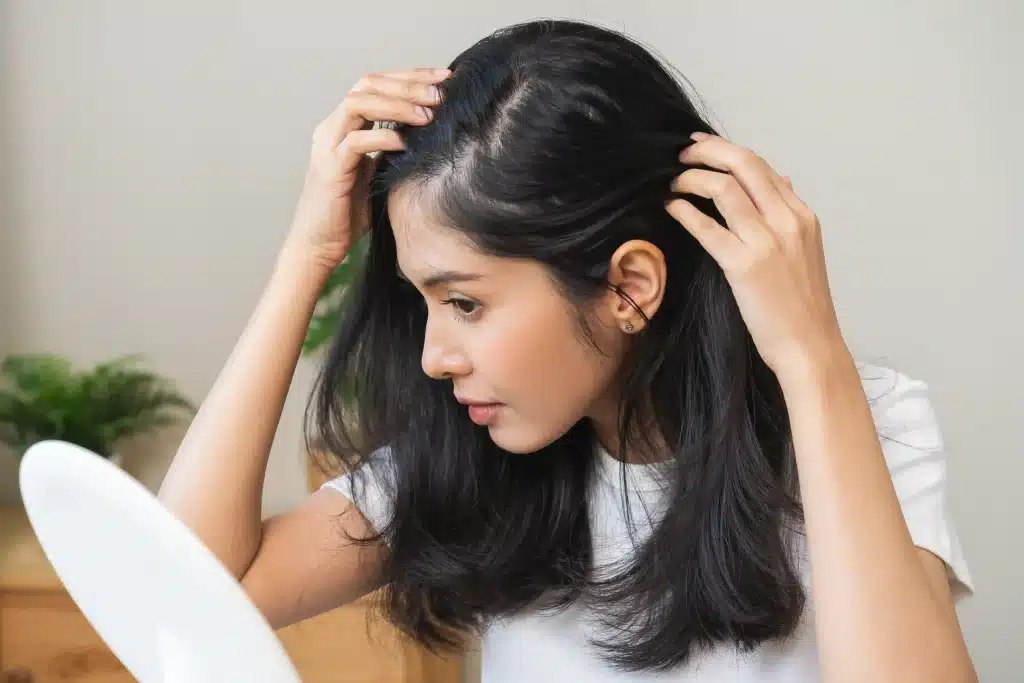
Hair shedding is something most of us notice from time to time. Strands on the pillow, in the shower or tangled in your brush are rarely a cause for concern.
However, when is hair shedding considered too much, and what does it mean when there is no visible thinning? Read on for the answer and hair loss solutions you can consider in Singapore.
What Counts as Normal Hair Shedding?
Hair shedding is a natural part of our hair growth cycle. On average, shedding between 50 to 100 hairs a day is considered normal. At any given time, some hairs are actively growing, while others are in a resting phase before they shed. This means that daily hairfall is normal, and is simply part of the cycle that allows new hair to grow in its place.
The key thing to note is that with normal shedding, hair that falls out gradually is replaced, so overall hair density remains the same.
Signs It’s Likely Normal Shedding (Not Hair Loss)
While the amount of hair you shed can differ from day to day, there are a few signs that can suggest your hairfall is within a normal range:
- You notice hair fall, but your overall hair volume looks the same
- There is no visible widening of your parting or scalp showing through
- Shed hairs tend to be long strands rather than short, broken pieces
- Hair shedding increases temporarily, then settles on its own
Why You Can Shed Hair Without Looking Thinner
Understandably, it can feel confusing to see more hair fall than usual, yet not notice any visible thinning. In many cases, this is because shedding and hair density are not always directly linked in the short term.
There are a few reasons why you may be shedding more hair without it affecting how full your hair looks.
You Have a High Hair Density to Begin With
If you naturally have a lot of hair, you may shed more strands simply because there is more hair to go through the growth cycle. This means that even if you are losing a noticeable amount, your overall volume may still appear unchanged.
Shed Hairs Were Already Detached
Hair does not fall out randomly. Each strand goes through a cycle, and shedding usually happens at the end of the resting phase.
By the time the hair falls, it has already detached from the follicle and is simply waiting to be released. This is why you might notice more hair during washing or brushing, even though the shedding process had already been underway.
Seasonal or Temporary Shedding Cycles
Hair shedding can increase during certain periods, such as seasonal changes, periods of stress or after illness.
These phases are often temporary and tend to settle over time. During this period, you may notice more hair fall, but it does not always translate to visible thinning, especially if new hair is growing in at the same time.
Still not sure if what you’re experiencing is hair loss? Don’t worry, our therapists are ready to answer any of your questions. Contact us here.
How Scalp Conditions Can Amplify Shedding
A healthy scalp supports your hair growth cycle. When the scalp is affected by inflammation, buildup or imbalance, it can lead to more noticeable hair shedding.
Common scalp-related factors include:
- Inflammation or irritation that affects the hair follicles
- Excess oil or buildup, which may interfere with a healthy scalp environment
- Conditions such as dandruff or scalp eczema, which can make shedding more apparent
When the scalp is not functioning optimally, hairs may enter the shedding phase more easily or be released more readily. This can make hair fall seem more excessive, even if it does not immediately lead to visible thinning.
When Shedding May Signal Hair Loss Instead
Signs that shedding may be linked to hair loss include:
- A noticeable reduction in overall hair volume over time
- A widening parting or more visible scalp
- Increased shedding that persists without settling
- Shorter or finer regrowth hairs
If these changes are present, it may suggest that the hair growth cycle is affected because you’re losing hair at a faster rate than you grow it.
How to Manage and Reduce Normal Hair Shedding
We cannot completely stop hair shedding, and we’re not supposed to. Instead, the goal is to keep it within a healthy amount. A few small changes in how we care for our scalp and hair can help us achieve healthy, luscious locks.
Optimise Scalp Health
A healthy scalp is essential for creating a strong foundation for healthy hair growth. When the scalp is balanced, the hair cycle is better supported.
- Use a gentle shampoo that cleanses without stripping the scalp
- Avoid allowing product buildup to accumulate over time
- Address concerns such as itchiness or flaking early
- Consider occasional scalp-focused treatments for deeper care
Adjust How You Handle Wet Hair
Hair is more vulnerable when wet, and this is when breakage is more likely to occur. Gentle handling can help minimise unnecessary hair fall.
- Avoid vigorous rubbing when towel drying
- Use a wide-tooth comb to detangle your hair carefully
- Avoid tight hairstyles while the hair is still wet
- Allow your hair to dry partially before styling where possible
Support the Hair Growth Cycle
Supporting overall health plays an important role in maintaining a stable hair growth cycle.
- Maintain a balanced, nutrient-rich diet
- Manage stress levels
- Ensure adequate rest and recovery
- Keep your haircare routine consistent rather than frequently changing products
Non-Surgical Hair Loss Treatments in Singapore
Not everyone wants to undergo a hair transplant. For those experiencing mild hair loss or in the earlier stages of increased shedding, non-surgical treatments can be considered as part of a management approach.
Topical and Medical Options
Topical medications such as minoxidil and finasteride are commonly used to support the hair growth cycle and manage ongoing shedding. When applied directly to the scalp, they act at a follicle level and help increase hair density. Both are also available in oral prescription form, which may be considered depending on your condition.
Scalp-Based Treatments
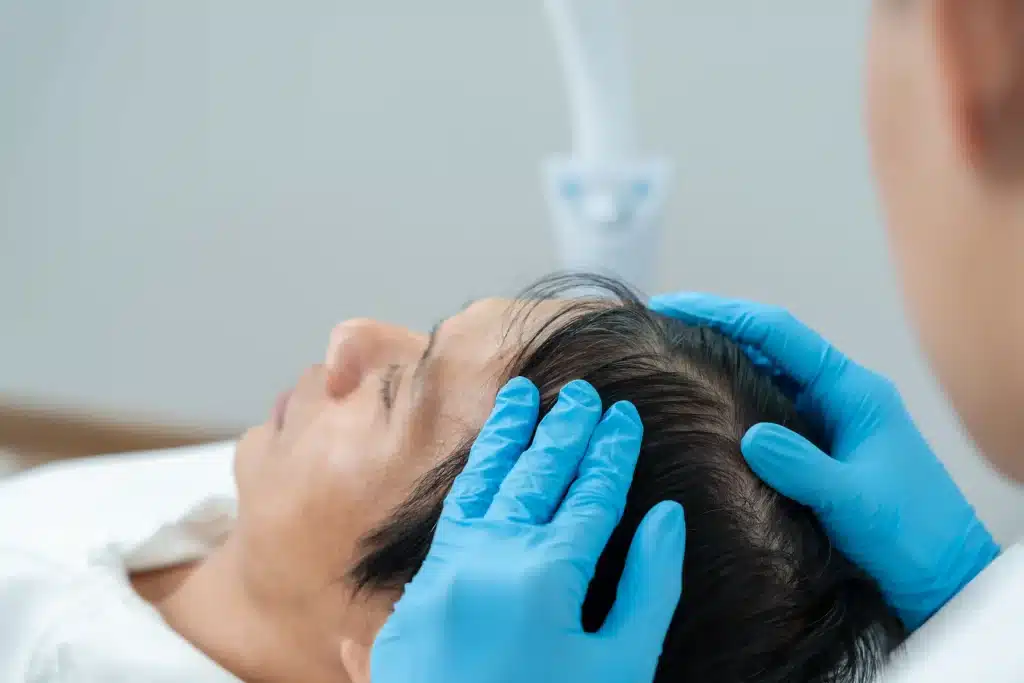
Professional scalp-based treatments can also help improve the condition of your scalp, creating a more balanced environment for hair follicles to thrive.
TrichoLab’s signature Medical Microneedling Hair Growth Treatment was developed by doctors for individuals experiencing hair thinning or hair loss. This treatment utilises a microneedling system with ultra-fine needles to deliver a patented hair growth and anti-hair loss formula consisting of botanicals, peptides and growth factors to effectively support hair regrowth.
Book a Personalised Scalp Assessment at TrichoLab
Hair shedding is a normal part of your hair cycle, but persistent or excessive shedding should never be dismissed as simply part of ageing. There are a variety of options available to tackle hair loss, from topical and medical treatments to professional scalp-based therapies, depending on the underlying cause.
A personalised assessment can help determine what may be contributing to your hair shedding and how to effectively manage it. Schedule a consultation with us today for a detailed analysis and treatment plan.