TL;DR:
- Slow hair growth often results from scalp issues rather than problems with the hair strands themselves.
- Understanding whether the concern is follicle health, scalp condition, or strand damage is key to effective hair care.
Hair growth can feel frustratingly slow. You may be washing carefully, applying serums consistently, and avoiding heat styling, yet your hair still feels thinner or may experience slower hair growth.
What many people do not realise is that healthy hair does not begin at the ends. It begins at the scalp. If your scalp environment is not functioning well, your follicles may struggle to stay in the active growth phase. Over time, this can affect thickness, density, and overall hair quality.
To help you with your hair growth routine, we’ve compiled a list of scalp mistakes you should avoid.
Understanding How Hair Actually Grows
Hair follows a natural biological cycle. On average, it grows about 1 to 1.5 centimetres per month, but this varies from person to person. Each strand goes through three main phases:
- The anagen phase (growth phase), where the hair actively grows from the follicle.
- The catagen phase (transition phase), where growth slows, and the follicle shrinks.
- The telogen phase (resting phase), where the hair sheds and a new strand prepares to grow.
At any point in time, most of your hair should be in the growth phase. However, factors such as stress, hormonal fluctuations, inflammation, poor scalp hygiene, nutritional gaps, or genetics can push more follicles into the resting phase earlier than expected. When this happens, you may notice increased shedding or gradual thinning.
Mistakes to Avoid
Many people choose products based on trends, recommendations, or marketing claims without first identifying whether their concern stems from the scalp, the follicles, or the hair shaft itself.
When the solution does not target the true cause — whether that is inflammation, hormonal influence, buildup, or structural damage — progress naturally stalls.
Here are some common mistakes that may be affecting your hair growth.
Treating Strands for a Scalp Problem
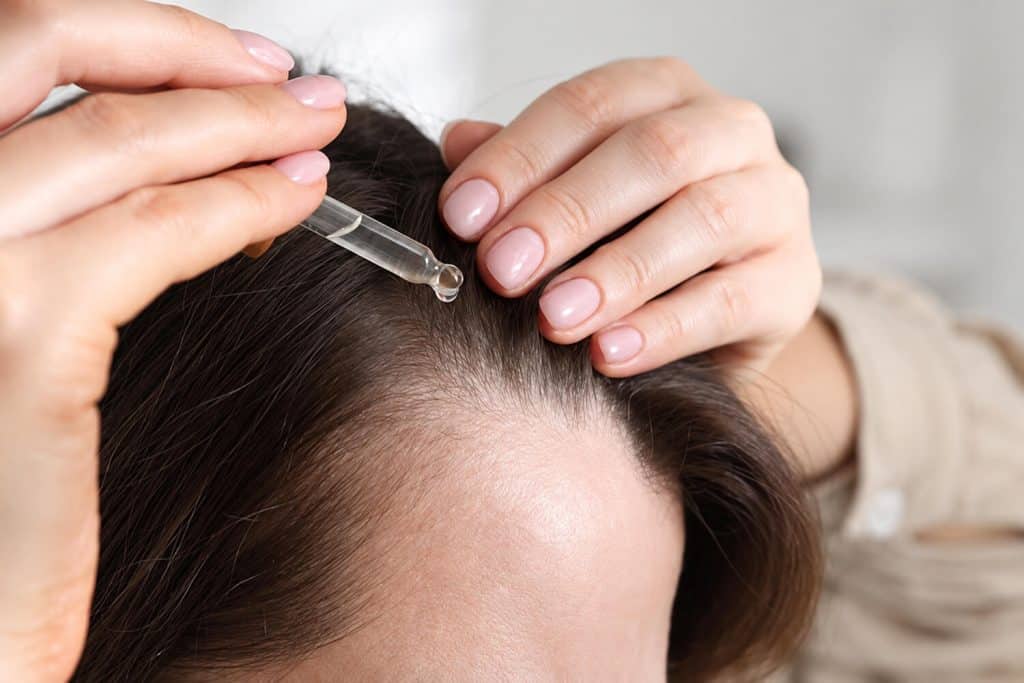
If you are using nourishing masks, oils, or smoothing creams to manage thinning, you may be targeting the wrong area. These products can improve shine and texture, but they do not influence follicle health beneath the skin.
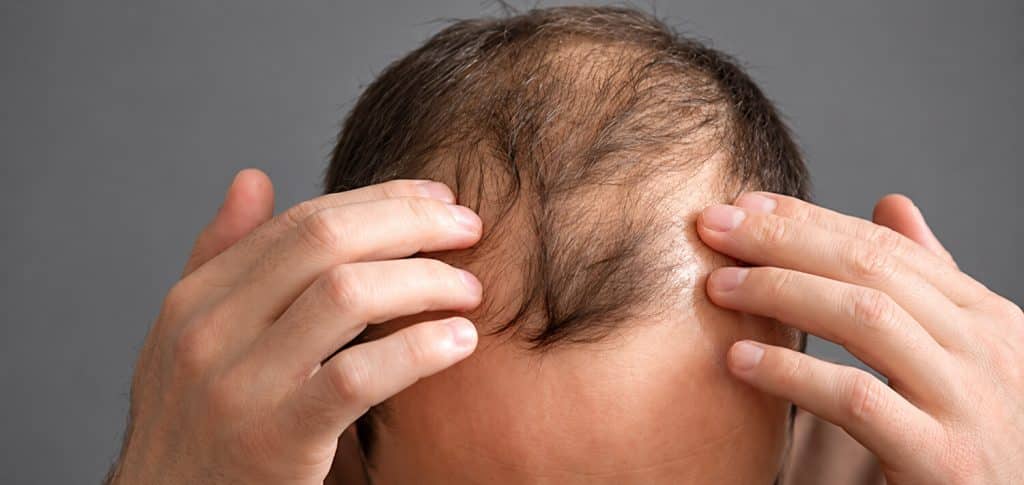
If you are noticing widening part lines, visible thinning at the crown, or increased daily shedding, the issue may relate to scalp health or follicle activity rather than dryness. In this case, strengthening the ends alone will not address the root cause.
Addressing Hair Breakage vs Hair Follicle Health
Sometimes your hair is growing normally, but you are not retaining length because it is breaking off. Frequent colouring, bleaching, heat styling, tight hairstyles, or aggressive brushing can weaken the hair shaft.
If you see split ends, uneven thickness, or strands snapping mid-length, the issue is likely structural damage. Stimulating the scalp will not fix breakage. Instead, you should be prioritising strengthening treatments, reducing heat, and protecting your hair.
Expecting Cosmetic Fullness to Equal Regrowth
Volumising sprays, fibres, and styling techniques can instantly make hair appear thicker. While these options improve appearance, they do not increase the number of active follicles.
True regrowth depends on the health of your follicles, hormonal balance, genetics, and consistency of care. Visible improvements often take several months. Setting realistic expectations helps you avoid cycling through multiple treatments prematurely.
A Quick Self-Check: What Are You Actually Dealing With?
Before adjusting your routine, it helps to reflect on your main concern.
Your Thinning May Be Rooted at the Scalp If You Notice:
- Gradual thinning at the temples or crown
- A widening part line
- Increased daily shedding
- An itchy, oily, or sensitive scalp
- A family history of pattern hair loss
Your Concern May Be Strand Damage If You Notice:
- Dry, brittle texture
- Split ends
- Hair snapping during brushing
- Uneven thickness from root to tip
- A history of chemical treatments or frequent heat styling
Not sure what’s actually going on with your scalp? Book a consultation at Tricholab and get clear answers.
How to Support Hair Growth at Home
If you are unsure where to begin, start with the basics.
- Maintain consistent cleansing: A clean scalp helps minimise excess sebum and product buildup that can interfere with follicle function. Choose formulations suited to your scalp type rather than following trends.
- Be mindful of tension: Tight ponytails, braids, or extensions can place stress on the follicles over time. Repeated tension may contribute to thinning along the hairline.
- Protect against heat damage: Use heat protectant products and lower styling temperatures where possible.
- Support your overall health: Adequate protein intake, balanced nutrition, and managing stress levels all play a role in maintaining healthy hair growth.
When to Seek Professional Hair Growth Treatments
If your hair is still thinning, you’re seeing persistent shedding, or your scalp feels irritated, inflamed, or unbalanced, it’s a sign that home care alone may not be enough.
Not all hair or scalp concerns are the same — pattern hair loss, stress-related shedding, oil imbalance, scalp sensitivity, and buildup all affect growth differently.
At TrichoLab, our hair growth specialist will carry out a professional scalp analysis and customise a treatment plan tailored to your specific condition.
We offer several scalp and hair growth treatments:
- Follicle Boost Tri-Active Treatment: A multi-technology scalp programme that combines non-ablative fractional laser, high-pressure oxygen infusion, and dual-frequency ultrasound to unclog pores, boost circulation, soothe inflammation, and support follicle health — ideal for early thinning, sensitive or oily scalps, and irritation.
- Signature Microneedling Hair Growth Treatment: Controlled microneedling delivers a patented botanical and peptide-rich anti-hair loss solution directly into the follicle environment to activate dormant follicles and strengthen growth potential.
- Hair Loss Prevention Treatment: A holistic scalp protocol that removes buildup, strengthens hair roots, and balances oil production using Ginkgo Leaf Extract, Vitamin E, and deep cleansing steps to create a healthier foundation for growth.
- 360° Essential Scalp Treatment: A comprehensive scalp programme using technologies such as galvanic currents, iontophoresis, and radiofrequency to detoxify, calm inflammation, stimulate circulation, and support the natural growth cycle.
- Hydrating & Exfoliating Scalp Treatments: Exfoliation combined with hydration helps remove dead skin cells, balance moisture, and unclog follicles — beneficial for dryness, flaking, and buildup that can interfere with hair growth.
In addition to in-clinic therapies, we also offer professional hair restoration products, such as anti-hair loss and scalp-soothing ampoules, conditioners, and shampoos formulated with botanicals that support scalp circulation and follicle health at home.
Book an Assessment at Tricholab to Get Started
Hair growth is influenced by multiple factors. When you focus on the right area, you are more likely to support healthier, stronger growth over time.
At Tricholab, your consultation includes a close evaluation of scalp condition, follicle activity, and hair density patterns. Based on these findings, we can help you find the right hair growth treatment to treat the underlying cause of your concerns.