Summary:
- Professional scalp massages go beyond simple relaxation—they help support circulation, support scalp comfort and follicle function, and help maintain balanced oil and hydration levels.
- Regular sessions can reduce build-up, soothe scalp sensitivity, and maintain a healthier scalp environment.
A professional scalp massage is not just about relaxation; it also supports scalp comfort and maintenance. When done consistently and tailored to your scalp condition, it helps support circulation, reduce the feeling of congestion, and maintain scalp function over time.
But how frequently should you get a scalp massage in Singapore? And how does your hair condition impact your decision? Read on for the answers.
What a Professional Scalp Massage Involves
A professional scalp massage is very different from the brief head rub that often accompanies a routine hair wash. It follows a structured approach, with specific scalp massage techniques designed to support hair function rather than offer short-term relaxation alone.
How It Differs from a Basic Massage
A basic massage tends to focus on surface-level relaxation. In contrast, a professional scalp massage applies controlled pressure and specific movement patterns that work more precisely within the scalp tissue.
This approach supports circulation without overstimulating the hair follicles, helps ease built-up tension, and targets areas involved in hair growth, contributing to a stronger foundation for hair health over time.
The Role of Scalp Analysis in Tailoring Your Treatment
Scalp analysis ensures your treatment is matched to how your scalp actually behaves, rather than relying on a one-size-fits-all approach.
By assessing factors such as oil levels, dryness, flaking, congestion, and sensitivity, scalp specialists can determine the appropriate treatment frequency, adjust massage pressure, and help ensure treatments are appropriate for your scalp condition. This step helps prevent treatments from being overly stimulating or too mild, supporting safer and more appropriate scalp care.
At TrichoLab, we prioritise scalp analysis for every treatment. Book a consultation today.
Why Consistency Matters for Scalp and Hair Health
One session may provide immediate comfort, but consistent care is usually needed to support longer-term improvement. The scalp adjusts gradually, particularly when issues have developed over time.
Improving Circulation and Follicle Nutrition
Regular scalp massage improves blood flow, helping deliver oxygen and nutrients to hair follicles. This ongoing stimulation supports healthier hair growth cycles and helps follicles stay active for longer.
Balancing Sebum and Hydration Levels
An imbalanced scalp often swings between oily and dry. Inconsistent treatments can exacerbate this issue, triggering the scalp to overcompensate. Regular professional massages help distribute natural oils more evenly while supporting hydration, helping support a more balanced scalp condition.
Clearing Build-Up and Supporting a Healthy Scalp Environment
Dead skin cells, product residue, sweat, and environmental pollutants build up faster than most people realise. When left unmanaged, this congestion can contribute to scalp discomfort or imbalance and lead to irritation. Consistent scalp massage helps prevent build-up from becoming a recurring issue.
Reducing Sensitivity and Irritation
If your scalp feels tight, itchy, or reactive, consistency is essential. Gentle, repeated treatments help calm irritation over time, helping reduce the likelihood of discomfort in response to stress, weather changes, or product changes.
Recommended Scalp Massage Frequency
There is no universal schedule, but general guidelines help determine what works for different types of scalps and how often you should get a massage.
- Weekly sessions: May be suitable for ongoing concerns such as persistent flaking, excess oil, or frequent scalp discomfort.
- Biweekly sessions: Often appropriate once the scalp begins to stabilise or when managing milder concerns.
- Monthly sessions: Typically sufficient for maintenance, stress-related tension, or preventive scalp care.
How Goals Affect Frequency
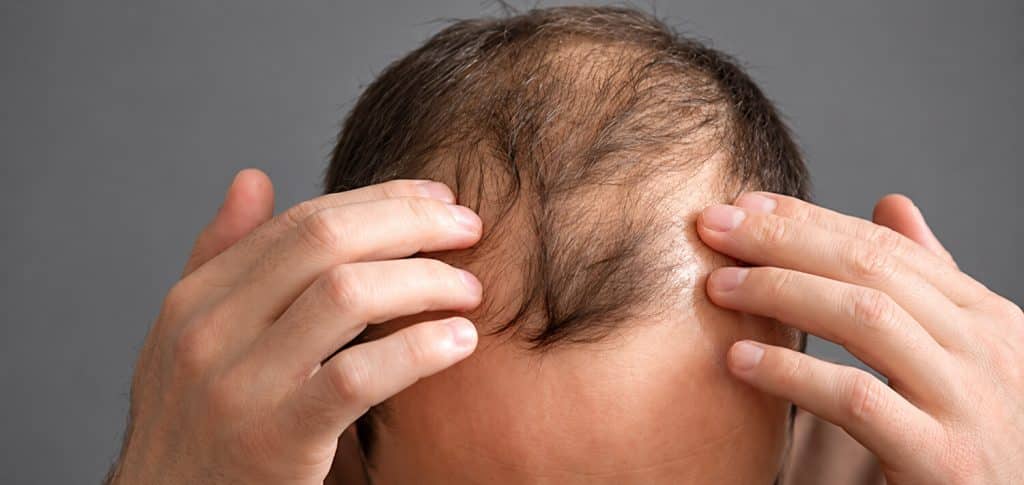
Your treatment goals help guide how often sessions are recommended. Concerns such as hair thinning or increased shedding may call for more frequent care at the outset, while oily scalps often respond well to regular, structured treatments.
In contrast, sensitive scalps usually benefit from gentler approaches with slightly longer intervals between sessions.
When to Increase or Decrease Sessions
If your scalp feels calmer, less itchy, and easier to manage, sessions can often be spaced out. If flakes return, oil builds up quickly, or shedding increases, it may be a sign that your scalp needs additional support.
Adjusting frequency based on how your scalp responds helps maintain balance without unnecessary treatments.
Professional Techniques That Influence Results
Frequency alone isn’t enough—the scalp massage techniques used during treatment also shape your results.
Targeted Pressure Techniques
Professional therapists adjust pressure depending on your scalp’s condition. Areas with tension or thinning often need different handling compared to sensitive zones. This targeted approach improves circulation while minimising irritation.
Lymphatic Drainage and Detoxifying Movements
Professional scalp massages often incorporate gentle lymphatic drainage and detoxifying movements. These techniques help reduce fluid retention, ease tension, and alleviate the heavy or congested feeling that can develop on the scalp.
By stimulating circulation and encouraging natural detoxification, these movements create a cleaner, more comfortable scalp environment between sessions.
Use of Serums, Tonics, and Scalp Solutions
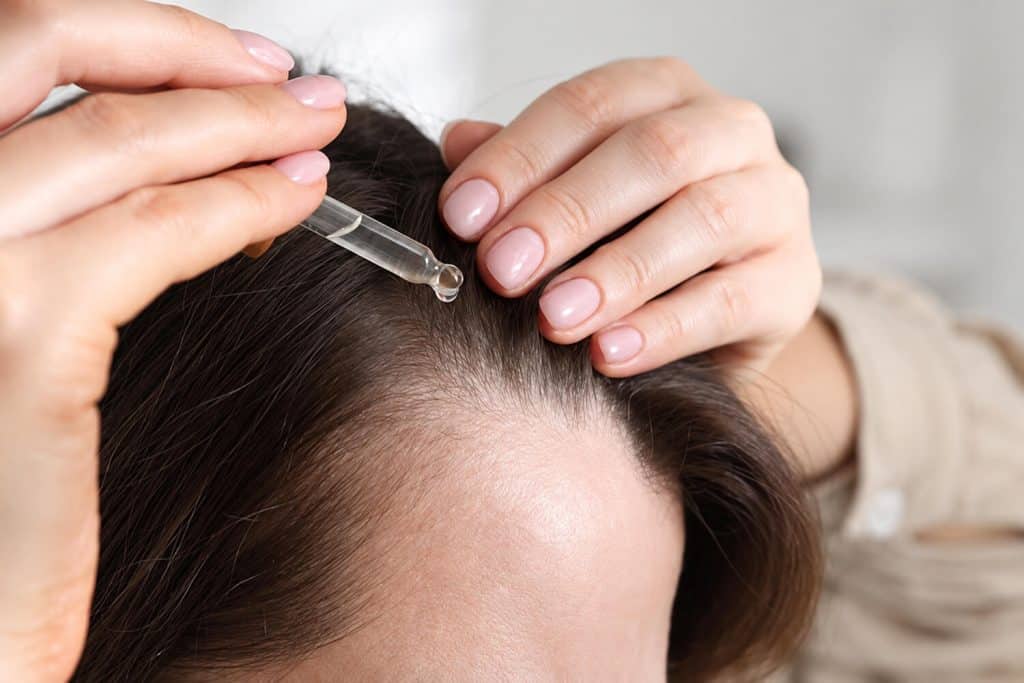
During a professional scalp massage, specially formulated serums, tonics, or scalp solutions are often applied and distributed evenly across the scalp. The massage helps these formulations penetrate more effectively, ensuring they reach the scalp layers and follicles.
The scalp massage enhances the benefits of the treatment—whether it’s soothing irritation, balancing oil, or supporting hair growth—rather than leaving the products sitting on the surface. Over time, combining massage with tailored solutions can help maintain a healthier, more balanced scalp environment.
Treatments at TrichoLab
At TrichoLab, we offer a range of treatments that incorporate professional scalp massage alongside targeted therapies, including:
Hair Loss Prevention Treatment
Targeting early hair shedding, this treatment integrates steaming, exfoliation, and specialised scalp cleansing. Paired with massage, it supports follicle strength and promotes a healthier environment for hair growth.
Intense Scalp Treatment
A comprehensive, multi-step session that includes scalp analysis, cleansing, massage, customised masks, and soothing fluids. It addresses a range of concerns from tension to scalp sensitivity while laying a foundation for long-term scalp health.
360° Essential Scalp Treatment
This treatment integrates gentle scalp massage with multiple technologies to detoxify, calm irritation, balance pH, and promote a healthier environment for hair growth.
Is a Professional Scalp Massage Right for You?
If you’re experiencing recurring scalp issues, you can consider incorporating a professional scalp massage into your care routine.
At TrichoLab, we begin with a thorough consultation to assess your scalp’s unique needs. Based on this, we recommend the most suitable treatments and massage techniques, creating a personalised plan that supports your long-term scalp and hair health.