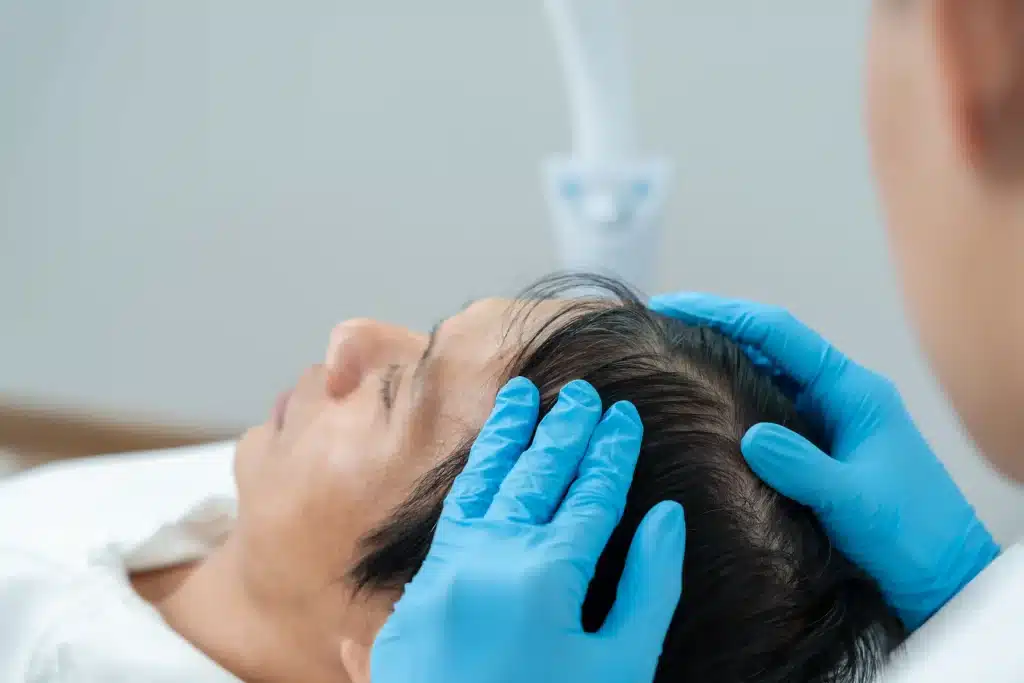
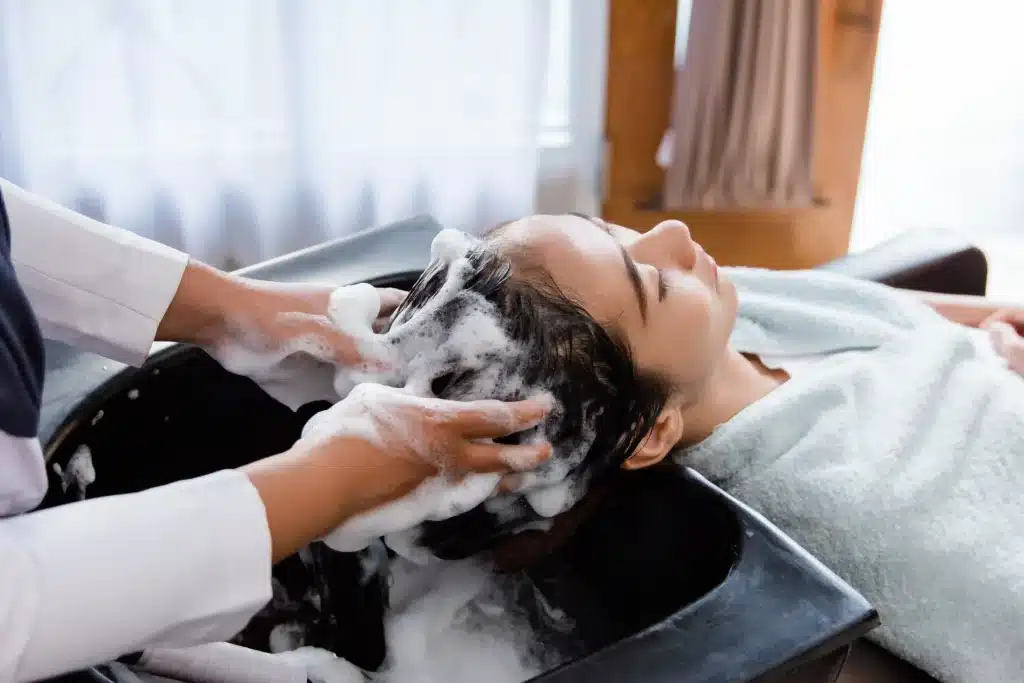
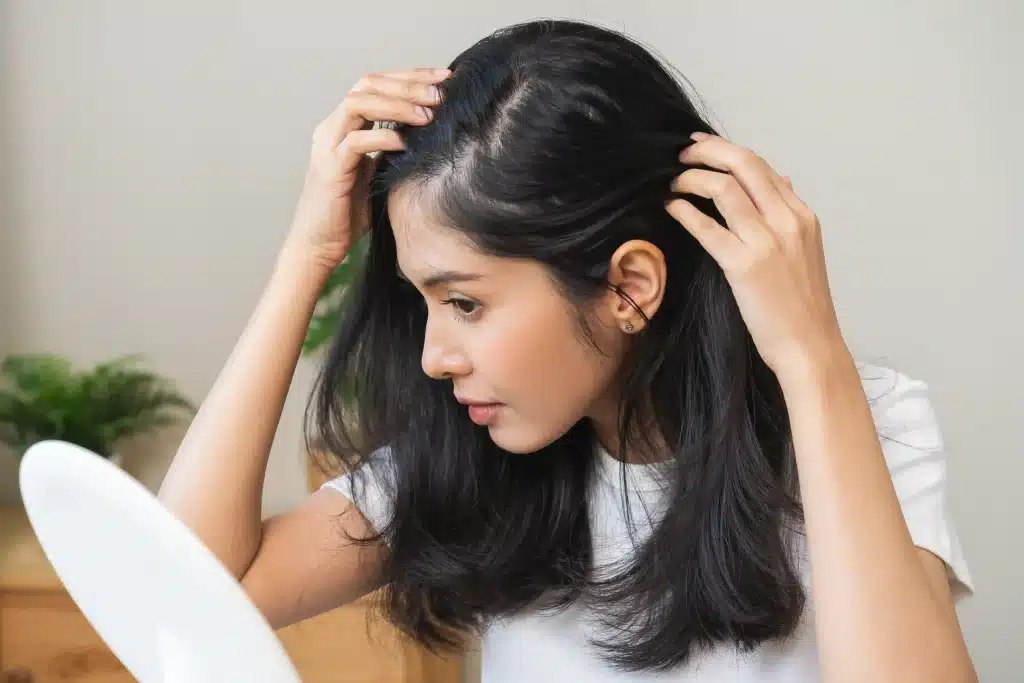
We often pick shampoos based on scent, brand popularity, or convenience without considering their suitability for our hair and scalp type. Choosing shampoos that aren’t suitable for us can cause issues, such as dryness, oiliness and irritation.
In this article, we’ll guide you in identifying your scalp type and selecting the best shampoo for it. We will also share effective hair and scalp treatments that can help with persistent scalp issues.
Identify your scalp type
Before deciding on a shampoo, it’s essential to identify your scalp type. Knowing whether your scalp is oily, dry, sensitive, or normal will help you create the right care routine.
Oily
An oily scalp often feels greasy and shiny, even a day after washing. This condition is due to overactive sebaceous glands producing excess sebum, the natural oil that keeps your scalp and hair hydrated. While sebum is necessary for a healthy scalp, too much can lead to several problems.
People with oily scalps may notice their hair getting greasy quickly, sometimes within hours of washing. This hair and scalp condition can be frustrating and inconvenient, leading to the need for more frequent washing.
Common issues associated with an oily scalp include:
- Dandruff: Excess oil can cause the scalp to rapidly shed dead skin cells, leading to dandruff. Oily dandruff appears as larger, greasy flakes that stick to the scalp and hair.
- Scalp Odour: The buildup of sebum and sweat on the scalp can produce an environment for bacteria and yeast to thrive, resulting in an unpleasant odour.
- Hair Limpness: Hair often looks flat and lifeless due to the weight of the excess oil, making it difficult to style and manage.
- Blocked Pores: An oily scalp can lead to clogged hair follicles, which may cause folliculitis, a condition characterised by inflamed hair follicles.
Dry
A dry scalp lacks sufficient moisture and sebum, causing it to become itchy, flaky and irritated. This type of scalp may feel tight and uncomfortable, especially after washing, as water and cleansing agents strip away what little oil is present.
Environmental elements, medical conditions, or overwashing could bring on a dry scalp. Common symptoms and issues associated with a dry scalp include:
- Itchiness: The lack of moisture can cause the scalp to become itchy and irritated. Scratching can worsen the condition, leading to further dryness and potential damage to the scalp.
- Flakiness: Dry scalps often shed small, white skin flakes. Unlike the larger, oily flakes associated with dandruff from an oily scalp, these flakes are finer and more powdery.
- Irritation: A dry scalp can become red and inflamed, particularly if exposed to harsh hair products or environmental factors like cold weather and low humidity.
- Tightness: The scalp may feel tight and uncomfortable, a sensation that is often exacerbated after washing or exposure to harsh weather conditions.
Sensitive
A sensitive scalp is prone to irritation and inflammation, reacting adversely to various hair products and environmental factors. This type of scalp can be challenging to manage, requiring special attention to avoid triggering discomfort.
Key issues and characteristics associated with a sensitive scalp include:
- Irritation: A sensitive scalp can easily become irritated, manifesting as itching, burning, or stinging sensations.
- Inflammation: Exposure to irritants or allergens can lead to inflammation, causing the scalp to become red and swollen.
- Discomfort: People with sensitive scalps often experience a persistent sense of discomfort, which can be exacerbated by environmental elements such as heat, cold, wind, or pollution.
- Product Sensitivity: Many standard hair care products contain ingredients that can trigger reactions in sensitive scalps. Common culprits include sulphates, parabens, artificial fragrances, and dyes.
Those with sensitive scalps need to be particularly cautious about the ingredients in their shampoos.
Normal
A normal scalp has a balanced sebum production, maintaining a healthy moisture level. It is neither oily nor dry and doesn’t experience significant issues like dandruff or irritation.
Characteristics of a normal scalp include:
- Balanced oil production: A normal scalp produces the right amount of sebum, providing natural moisture to the hair without making it greasy.
- Minimal flaking: Unlike dry or oily scalps, normal scalps typically don’t experience significant flaking or dandruff.
- Healthy hair growth: A balanced scalp environment promotes healthy development, producing strong, shiny, and resilient hair.
- Comfort: A normal scalp usually has no persistent itchiness, tightness, or irritation.
People with normal scalps have fewer scalp-related concerns but still need to maintain proper care.
Shampoos for your scalp type
Now that you have identified your scalp type, choosing a suitable shampoo that matches your needs is easier. Here are the best shampoos for each scalp type:
Shampoo for oily scalp
For an oily scalp, look for shampoos that regulate sebum production and cleanse effectively without stripping the scalp of essential moisture. Key ingredients to look for include:
- Salicylic acid: Helps exfoliate the scalp, removing excess oil and preventing dandruff.
- Tea tree oil: Its antimicrobial properties that can reduce scalp odour and control oil production.
- Lemon extract: Acts as an astringent, helping to balance oil production and refresh the scalp.
Avoid shampoos with heavy conditioners and silicones, as these can weigh down the hair and make the scalp greasier.
Shampoo for dry scalp
Dry scalps require gentle, hydrating shampoos that replenish moisture and soothe irritation. Look for these ingredients:
- Aloe vera: Provides hydration and soothes irritation.
- Glycerin: This humectant attracts moisture to the scalp.
- Coconut oil: Nourishes and moisturises the scalp, preventing dryness and flakiness.
Avoid shampoos with sulphates and alcohol, as these can further dry out the scalp.
Shampoo for sensitive scalp
A sensitive scalp needs mild, hypoallergenic shampoos free from harsh chemicals and irritants. Key ingredients to consider include:
- Chamomile extract: Calms and soothes irritated skin.
- Aloe vera: Provides gentle hydration and reduces inflammation.
- Oat extract: Helps to soothe and protect the scalp.
Avoid shampoos with artificial fragrances, dyes, and parabens, as these can exacerbate sensitivity.
Shampoo for normal scalp
If you have a normal scalp, your focus should be maintaining balance and overall health. Choose shampoos with these beneficial ingredients:
- Panthenol (Pro-Vitamin B5): Strengthens hair and maintains moisture balance.
- Green tea extract: Provides antioxidant protection and stimulates the scalp.
- Hydrolysed silk: Adds shine and improves hair texture.
Avoid overly heavy or clarifying shampoos that can disrupt the natural balance of your scalp.
| Scalp Type | Important Ingredients |
| Oily | Salicylic acid, tea tree oil, lemon extract |
| Dry | Aloe vera, glycerin, coconut oil |
| Sensitive | Chamomile extract, aloe vera, oat extract |
| Normal | Panthenol, green tea extract, hydrolysed silk |
Signs you need a professional hair and scalp treatment
Sometimes, despite using the right shampoo and following a good hair care routine, you may experience persistent scalp issues that require professional attention. Here are some signs that you might need to consider a professional hair and scalp treatment:
- Severe dandruff or flaking: If over-the-counter dandruff shampoos aren’t effective, it’s time to seek professional help.
- Persistent itching or irritation: Chronic scalp discomfort can signal an underlying condition that needs medical treatment.
- Hair loss or thinning: If you notice significant hair loss or thinning, consult a dermatologist or trichologist.
- Scalp infections: Signs of infection, such as redness, swelling, or pus, require immediate medical attention.
Hair and scalp treatments for your scalp type
Sebum Control Treatment (Oily Scalp)

A Sebum Control Treatment can help rebalance and regulate oil levels for those with an oily scalp. This mattifying treatment uses a combination of ingredients to cleanse and hydrate the scalp without adding excess oil.
- Papaya and pineapple enzymes: These natural exfoliants gently eliminates excess oil and dead skin cells, keeping the scalp clean and fresh.
- Centella Asiatica: Its healing properties help reduce scalp inflammation.
- Green tea extract: An antioxidant that helps regulate oil production and soothes the scalp.
Sensitive Reduction Treatment (Sensitive Scalp)

A Sensitive Reduction Treatment is ideal for calming hypersensitive scalps. This anti-irritant treatment uses gentle yet effective ingredients to soothe and protect the scalp.
- Niacinamide: A type of vitamin B3 that helps reduce inflammation and improve scalp health.
- Vitamin B5: Also known as panthenol, hydrates and soothes the scalp.
- Oat protein: Known for its calming properties, it helps alleviate irritation and itchiness.
- Green tea extract: Its antioxidant protection can reduce inflammation.
Hydrating Exfoliating Treatment (Dry Scalp)
A Hydrating Exfoliating Treatment is perfect for those with dry and sensitive scalps. This treatment hydrates while exfoliating to maintain moisture balance and remove buildup.
- Hyaluronic acid: A well-known humectant that attracts and retains moisture, keeping the scalp hydrated.
- Gluconolactone: Gentle exfoliates to remove dead skin cells without irritating the scalp.
- Plant Enzymes: These enzymes help gently break down buildup and exfoliate the scalp.
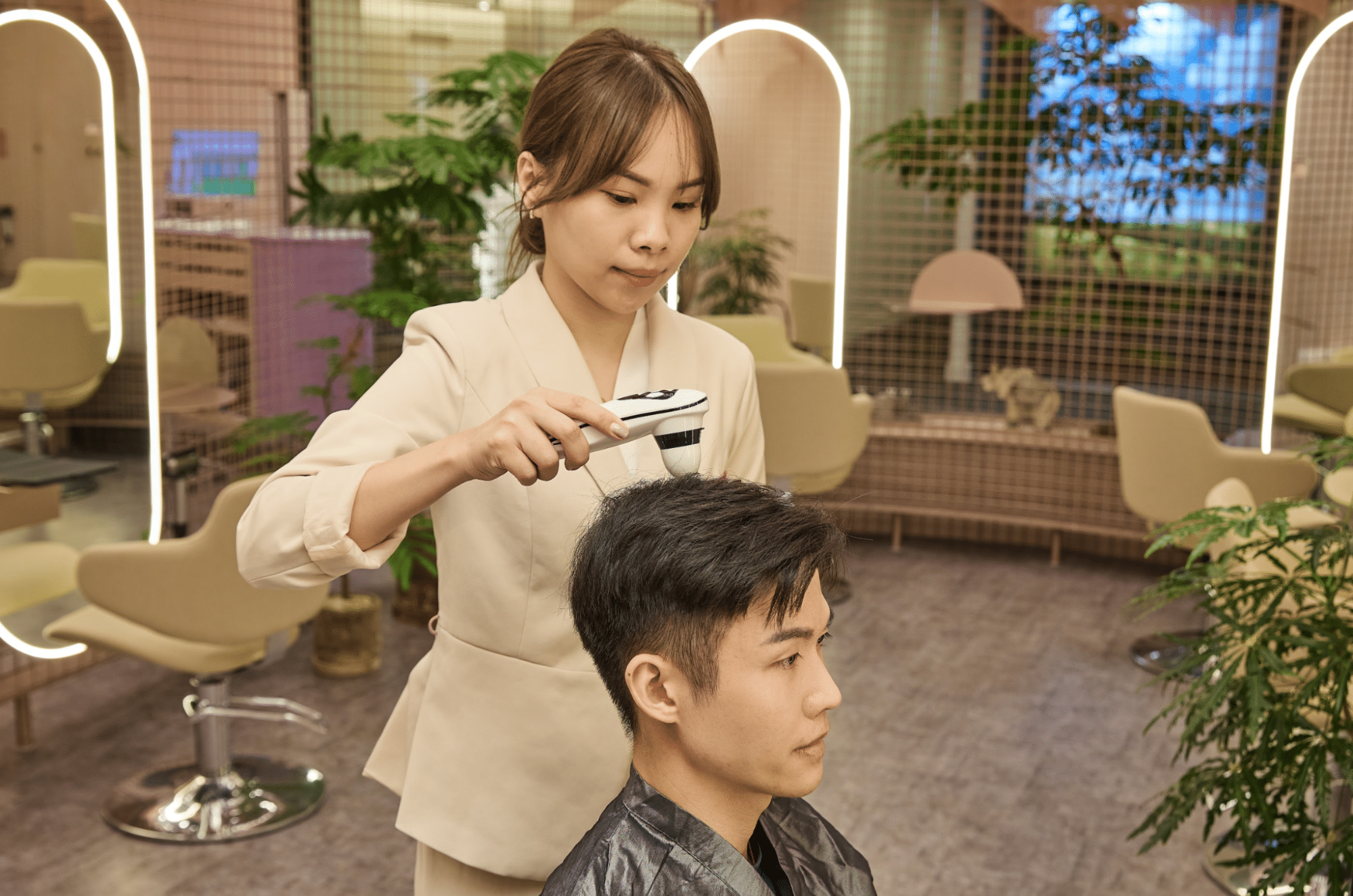
All scalp treatments at TrichoLab begin with a scalp analysis. It is a pre-treatment in-depth scan of your scalp to assess its condition and requirements. We may also recommend suitable add-on treatments according to your needs.
Hair and scalp treatment in Singapore
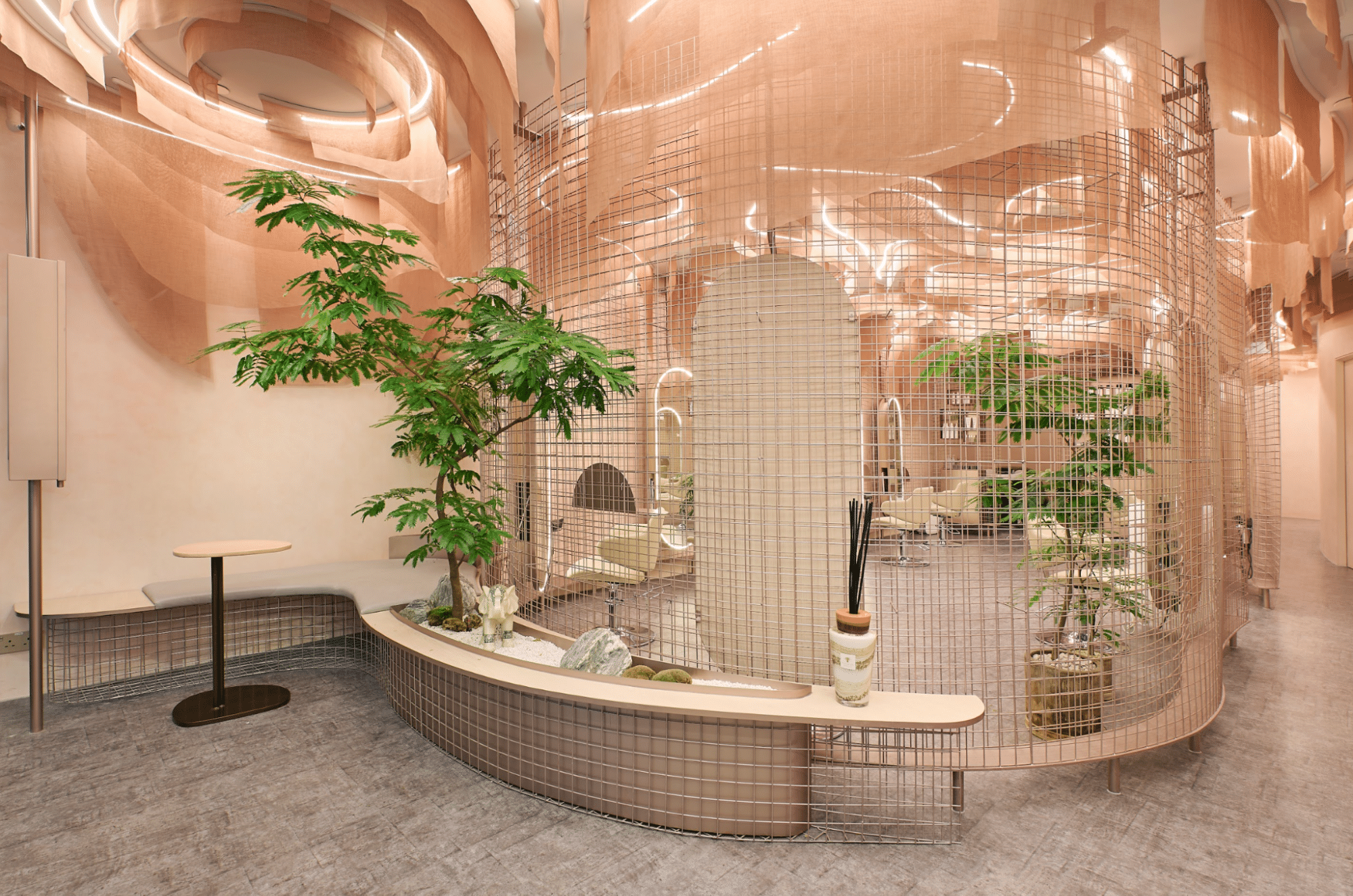
Identifying your scalp type and choosing the right shampoo can significantly improve your scalp health and overall hair condition. If you are dealing with persistent issues, professional treatments like those offered by TrichoLab can provide the necessary care to achieve optimal results.
TrichoLab is a hair and scalp specialist in Singapore. We provide treatments tailored to address various scalp conditions. Our approach includes a thorough analysis and personalised treatment plans to ensure optimal scalp health. We are also a hijab-friendly salon and welcome all individuals.