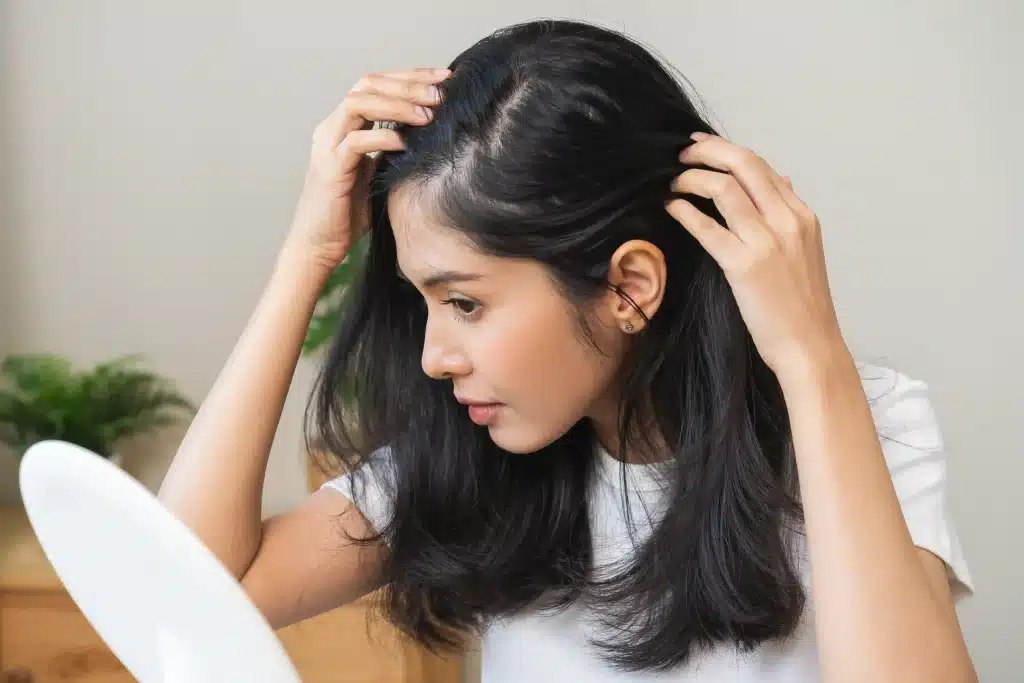
Bringing a new life into the world is a tremendous journey, but it comes with many changes, including changes to your hair. Many women experience postpartum hair loss, and while it can be alarming, it is a normal and temporary phase.
If you’re pregnant and worried about your hair or struggling with hair thinning after giving birth, knowing why it happens and how you can manage it will help you regain your confidence.
What is Postpartum Hair Loss?
Postpartum hair loss, or telogen effluvium, commonly occurs after childbirth. During pregnancy, higher levels of oestrogen prolong the growth phase of your hair, making it look fuller and thicker. However, once you give birth, those hormone levels drop, triggering a shift in your hair cycle.
This change causes more strands than usual to enter the shedding phase, leading to noticeable hair loss. Most women start noticing this shedding around three to four months postpartum, but the good news is that it’s temporary. Your hair should start regrowing naturally within six to twelve months.
Causes of Postpartum Hair Loss
Although postpartum hair loss is mainly caused by hormonal fluctuation, other factors can also contribute to the severity of hair loss, including:
- Stress and lack of sleep – Taking care of a newborn is exhausting, and stress can negatively impact hair health.
- Nutritional deficiencies – Pregnancy and breastfeeding can rid your body of essential vitamins and minerals, which are vital for hair growth.
- Postpartum recovery – Your body is still healing after pregnancy, and energy is redirected to vital functions, making hair growth a lower priority.
While postpartum hair loss can’t always be prevented, there are ways to manage it and encourage regrowth.
How Long Does Postpartum Hair Loss Last?
One of the most common concerns for new moms experiencing hair loss is how long it will last. Typically, postpartum hair shedding starts around three to four months after giving birth and peaks between four to six months postpartum.
For most women, the shedding gradually slows down, and new hair begins to grow by six to twelve months postpartum. However, some factors, such as stress, poor nutrition, and underlying health conditions, can prolong hair loss beyond a year.
If you’re still experiencing excessive shedding after twelve months, it may be worth consulting a doctor to rule out conditions like thyroid imbalances or anaemia.
Common Myths About Postpartum Hair Loss
There are many misconceptions about postpartum hair loss. Let’s debunk some of the most common myths:
Myth 1: Breastfeeding Causes Hair Loss
Many women assume that breastfeeding is responsible for their postpartum hair loss. However, hair shedding is primarily due to hormonal changes, not breastfeeding. While breastfeeding can affect nutrient levels, it does not directly cause hair loss.
Myth 2: Cutting Your Hair Will Stop the Shedding
A shorter haircut can make thinning hair less noticeable, but it won’t stop the shedding process. Hair loss occurs at the follicle level, so cutting the length of your hair does not impact how much you shed.
Myth 3: Washing Your Hair Less Will Reduce Shedding
Some women avoid washing their hair frequently, thinking it will prevent hair loss. In reality, hair that is ready to shed will fall out regardless of how often you wash it. Keeping your scalp fresh and clean is important for hair vitality and health, so it’s best to stick to your usual hair-washing routine.
Myth 4: Postpartum Hair Loss is Permanent
Although postpartum hair loss can feel dramatic, it is almost always temporary. Most women will see their hair return to its normal thickness within a year. If hair thinning persists, professional treatments can help restore growth.
Tips to Manage Postpartum Hair Loss and Promote Growth
Balanced Diet for Healthy Hair
Eating a nutrient-rich diet is a good way to support hair regrowth. Focus on foods high in protein, iron, biotin, and omega-3 fatty acids, as they help strengthen hair follicles and encourage new growth.
Leafy greens, eggs, salmon, nuts, and seeds are excellent choices. Staying hydrated is also essential. Water helps transport nutrients to the scalp and keeps hair hydrated from the inside out.
Supplements to Support Hair Growth
If you’re struggling to get enough nutrients through food alone, supplements can provide additional support to help restore hair health after pregnancy.
Biotin
Postpartum recovery places significant demands on your body, and being deficient in key vitamins and minerals can contribute to excessive shedding. Biotin is crucial to keratin production, the protein that becomes building blocks for your hair, skin, and nails. Taking a biotin supplement may help strengthen hair strands and reduce breakage.
Iron
Iron is beneficial for hair growth, especially for women who experience heavy blood loss during childbirth. Low iron levels point to anaemia, which reduces the amount of oxygen reaching hair follicles, increasing shedding and slowing regrowth. If you feel fatigued or notice excessive hair thinning, checking your iron levels and taking an iron supplement can make a difference.
Vitamin D
Vitamin D nourishes hair follicles and supports the hair growth cycle. Many new mothers are deficient in vitamin D, especially if they spend most of their time indoors caring for their babies. Supplementing with vitamin D3 can help maintain healthy hair follicles and promote new growth.
Collagen supplements
Collagen is rich in amino acids that contribute to hair strength and elasticity. As collagen levels naturally decline with age, taking a high-quality collagen supplement can help improve hair texture and thickness, giving postpartum hair a healthier appearance.
Other beneficial nutrients for hair growth include zinc and omega-3 fatty acids. Zinc supports scalp health and reduces inflammation and omega-3s nourish the hair follicles, all of which are important for postpartum hair recovery.
Please consult your doctor about taking new supplements, especially if you’re breastfeeding. Your provider can recommend the proper dosage to be included into your routine and ensure that any supplements you take are safe for both you and your baby.
Gentle Hair Care Practices
Your hair is more delicate postpartum, so switching to a gentle hair care routine can help minimise breakage. Avoid excessive brushing, tight hairstyles, and heat styling, as they can put additional stress on already fragile strands.
Use a sulfate-free, nourishing shampoo and conditioner, and consider incorporating a lightweight hair serum to keep your scalp healthy. A wide-tooth comb is ideal for detangling without causing unnecessary pulling.
Manage Stress and Get Enough Rest
Stress is one of the biggest culprits of hair loss, and while avoiding stress entirely is unrealistic for a new mom, finding ways to relax can make a difference.
Simple mindfulness techniques, deep breathing exercises, or even a short daily walk can help lower stress levels. Prioritising sleep, even if it means napping when your baby sleeps, can also support your body’s natural healing process and encourage hair growth.
When to Seek Professional Help
Postpartum hair loss is a temporary condition, but in some cases, excessive or prolonged shedding may indicate an underlying issue that requires professional attention. If you notice that your hair loss is worsening beyond the typical shedding phase or continues for more than a year postpartum, it may be time to consult a specialist.
Professional Hair Growth Treatment
At TrichoLab, we offer hair growth treatments designed to nourish your scalp, strengthen your hair, and promote lasting results.
Hair Vitality Treatment
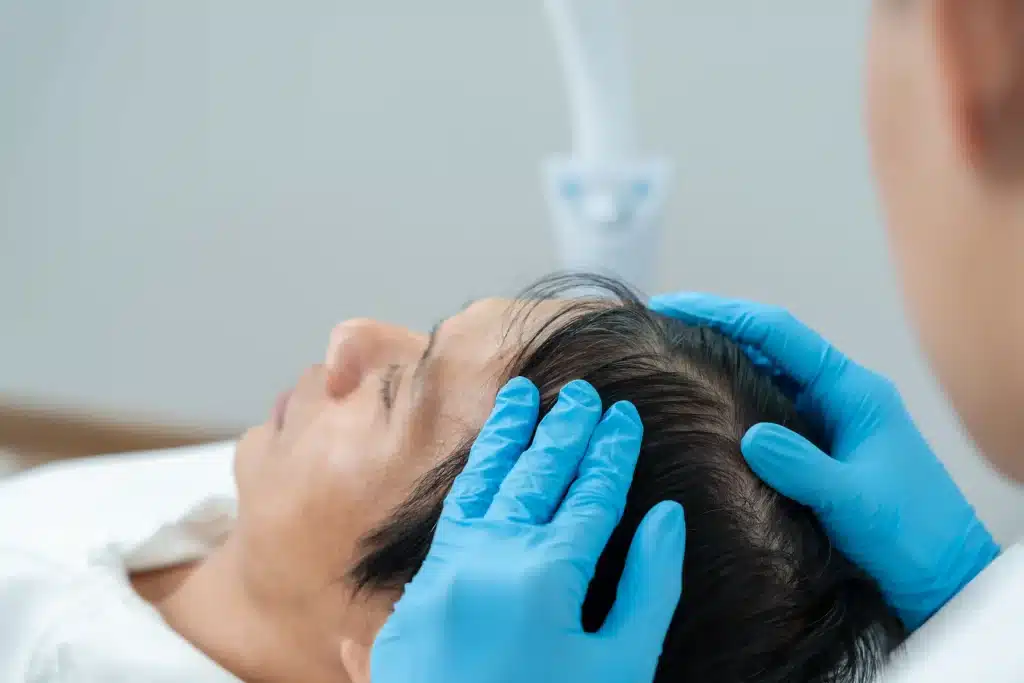
Our Hair Vitality Treatment is a multi-step process that restores scalp health and encourages hair growth. It begins with a deep scalp cleansing to remove debris and excess oil, allowing your follicles to breathe. This step is crucial as a clean scalp is the perfect environment for healthy hair to grow.
Next, we apply a potent hair growth treatment serum infused with strengthening ingredients to rejuvenate the scalp and reinforce hair from the roots. To enhance absorption and maximise the treatment’s benefits, we use a galvanic treatment that improves blood circulation, ensuring that your hair follicles absorb the nutrients they need.
To complete the process, we incorporate LED red light therapy, which stimulates hair follicles, prolonging the growth phase and leading to thicker, fuller hair. This gentle but effective treatment is perfect for moms who want to regain their pre-pregnancy hair health.
Signature Microneedling with IYASHI Exosomes
For those looking for a more targeted hair regrowth treatment, TrichoLab’s Signature Microneedling with IYASHI Exosomes is also recommended.
This treatment utilises an advanced microneedling system with ultra-fine needles up to 0.6mm, with sessions typically beginning at 0.25mm and gradually adjusted based on your scalp’s response to create tiny microchannels in the scalp, allowing the powerful IYASHI exosomes serum from Japan to penetrate deeply. IYASHI exosomes are rich in growth factors that enhance hair follicle regeneration, providing compounded hair growth effects.
By stimulating the scalp at a cellular level, this treatment not only encourages new hair growth but also strengthens existing strands, leading to visibly thicker and healthier hair over time.
Get Hair Growth Treatment with TrichoLab
Going through postpartum hair loss can be stressful, but it doesn’t have to be permanent. If you’re looking for professional solutions to accelerate the process, TrichoLab’s hair growth treatments in Singapore offer scientifically-backed results to help you regain your confidence and restore your luscious locks.
Embrace this new chapter of motherhood without worrying about hair loss. Book an appointment for hair growth treatment with TrichoLab today.