Though not as common as acne on the face or trunk, scalp acne can be just as frustrating and challenging to treat. Many people turn to shampoos and over-the-counter products in hopes of clearing up their scalps, but the question remains: Are these solutions enough?
In this article, we explore scalp acne and how far shampoos can help in addressing them.
What is scalp acne?
Scalp acne, like facial acne, occurs when hair follicles on the scalp become trapped with oil, dead skin cells, and bacteria. This can lead to pimples, blackheads, and cysts on the scalp, which are usually itchy and painful.
While scalp acne may not be as visible as acne on other parts of the body, it can be just as uncomfortable.
Causes of scalp acne
- Excess sebum production: The scalp has numerous sebaceous glands that produce sebum (oil). When these glands secrete too much sebum, it can get congested with dead skin debris and clog hair follicles.
- Poor hygiene: Infrequent washing or using hair products that build up on the scalp can produce an environment where bacteria breeds, leading to acne.
- Hormonal changes: Hormonal fluctuations, especially during puberty, menstruation, pregnancy, or stress, can increase oil production and lead to scalp acne.
- Product buildup: Hair care products like gels, sprays, and conditioners can accumulate on the scalp, clogging pores and triggering acne.
- Diet: An unhealthy diet of sugar, dairy, and processed foods can exacerbate acne by increasing inflammation and oil production.
- Stress: Chronic stress can worsen acne by stimulating the adrenal glands to produce more hormones, leading to increased oil production.
Types of scalp acne
Scalp acne can vary in appearance and severity. The most common types include:
- Comedones: These are non-inflammatory acne lesions, including blackheads and whiteheads.
- Papules and Pustules: These are inflamed red bumps that may be filled with pus.
- Nodules and Cysts: These are more severe, painful lesions that take root deep within the skin and can lead to scarring.
Identifying the severity of your scalp acne
Mild
Mild scalp acne typically consists of a few small pimples or blackheads. These may be slightly itchy but are generally not painful. Mild scalp acne can often be managed with regular shampooing and OTC products.
Moderate
More numerous and inflamed pimples can be seen in moderate scalp acne. You may notice redness, tenderness, and occasional pus-filled lesions. Over-the-counter treatments may still be effective at this stage, but additional care is often needed.
Severe
Severe scalp acne involves large, painful nodules or cysts that form deep under the skin. This type of acne is often resistant to OTC treatments and can lead to scarring if not properly managed. Professional intervention is usually necessary at this stage.
How Shampoos and OTC Products Can Help
Shampoos and OTC products can be beneficial in managing scalp acne, especially in mild to moderate cases. Shampoos containing active ingredients like salicylic acid, tea tree oil, or benzoyl peroxide can aid in reducing excess oil, exfoliate dead skin cells, and kill bacteria on the scalp.
OTC creams and lotions may also contain similar ingredients as medicated shampoos and can be applied directly to the affected areas to ease inflammation and bacteria.
However, shampoos may not penetrate deeply enough into the scalp to effectively treat severe acne. These often provide only temporary relief, especially if the root cause of the acne is not addressed.
When you should opt for professional treatment
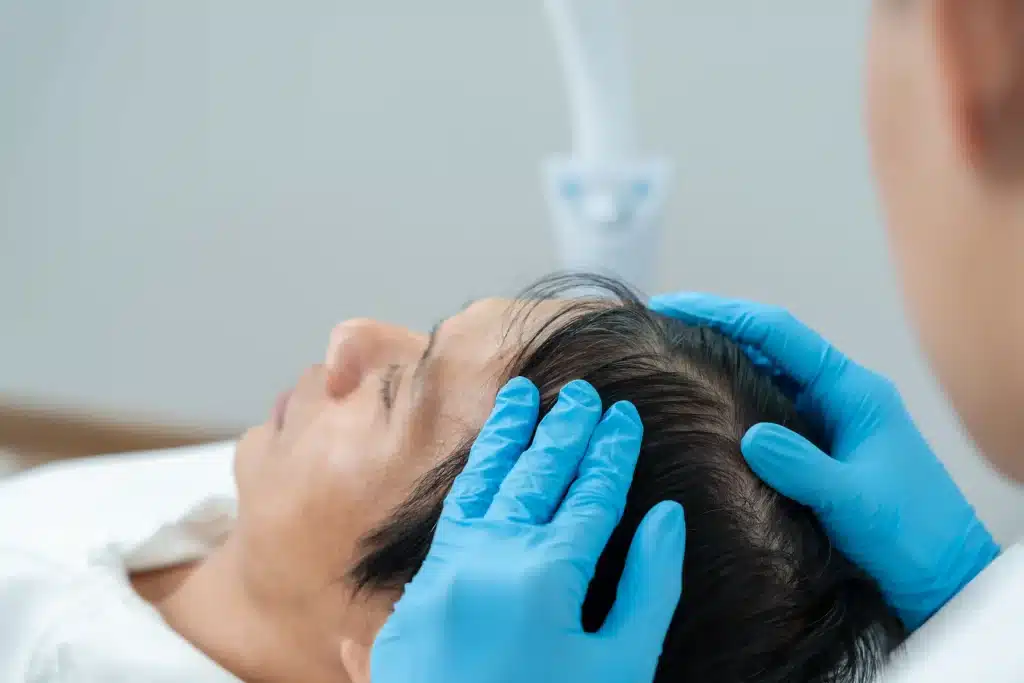
If your scalp acne persists despite using shampoos and OTC treatments, or if it is severe, it may be time to seek professional help. Scalp specialists can offer treatments such as:
- Prescription medications: Oral or topical antibiotics, retinoids, or hormonal therapies to target severe acne.
- Corticosteroid injections: Corticosteroid injections can calm inflammation and accelerate healing for painful cysts.
- Light and laser therapy: These treatments target the bacteria and inflammation associated with acne, providing long-term relief.
Haircare tips for scalp acne
Proper hair care is essential in managing and preventing scalp acne. Here are some tips:
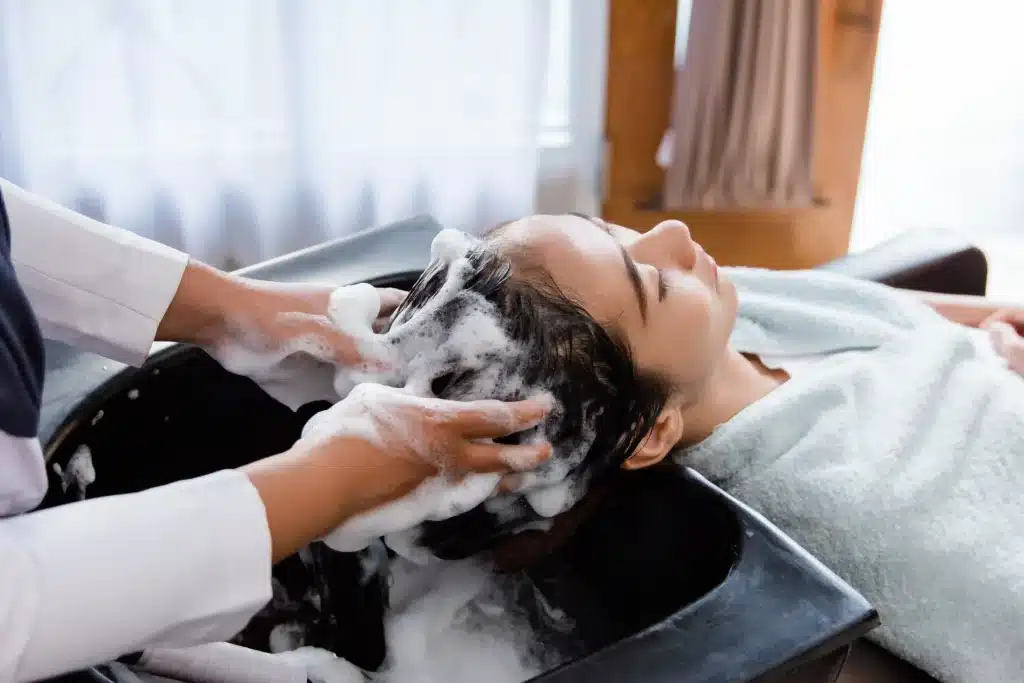
- Regular washing: Maintain a clean scalp by washing your hair regularly with sulfate-free shampoo.
- Avoid heavy products: Minimise using heavy hair products that can clog pores.
- Gentle exfoliation: Use a scalp scrub or exfoliating shampoo weekly to remove dead skin cells and prevent buildup.
- Healthy diet: Eat a balanced diet rich in fruits, vegetables, and whole grains to support healthy skin.
- Stress management: Practice stress-reducing activities like yoga, meditation, or exercise to keep hormonal fluctuations in check.
Scalp acne treatment in Singapore
While shampoos and OTC products can effectively manage mild to moderate scalp acne, they may not be enough for everyone. If your scalp acne is severe or unresponsive to at-home treatments, seeking professional care is crucial.
Professional treatment options in Singapore, like the Salicylic Acids Peel and Sebum Control Treatment offered by TrichoLab, may be the solution for those struggling with persistent or severe scalp acne. We specialise in tailored treatments that target the root causes of scalp acne, especially for those with oily scalps.
To learn more about our scalp acne treatments, book an appointment today.