While an itchy scalp may seem minor, it can indicate more serious conditions requiring attention. In this article, we share what conditions may present with an itchy scalp and why they should be addressed.
Signs of itchy scalp
You may have an itchy scalp problem if you experience the following symptoms:
- Persistent itchiness: If your scalp feels itchy consistently, this is a sign of an underlying issue.
- Flaky skin: Flaking, often accompanied by itchiness, can indicate conditions like dandruff or dermatitis.
- Redness or inflammation: A red or inflamed, itchy scalp could be an allergic reaction or infection.
- Sores or blisters: Itching accompanied by sores or blisters is a serious sign that a healthcare professional should address.
Issues and conditions associated with itchy scalp
Allergic reaction
One common cause of an itchy scalp is an allergic reaction to hair care products. Ingredients like sulphates, parabens, and certain fragrances can irritate the scalp. Left unaddressed, persistent exposure to allergens can worsen symptoms, leading to increased inflammation, blistering, or infection.
Switching to hypoallergenic or natural hair products may help alleviate the symptoms if you suspect an allergic reaction.
Product buildup
Beyond allergies, the excessive use of hair products can also lead to an itchy scalp. Hair sprays, gels, and waxes can build up on the scalp, congesting pores and causing irritation. Clogged pores can weaken hair strands and disrupt the scalp’s natural oil production, potentially leading to dryness, inflammation, and even folliculitis—a condition where hair follicles become infected.
Address this issue by using a clarifying shampoo weekly and using hair products in moderation.
Stress
Stress is a lesser-known but significant contributor to an itchy scalp. High stress levels can exacerbate existing scalp conditions, increasing itching and discomfort. Prolonged stress can lead to chronic inflammation, worsening existing scalp conditions and increasing the risk of hair loss.
You can manage stress through relaxation techniques, exercise, and getting enough sleep to help reduce scalp irritation.
Dandruff
Dandruff is a common condition characterised by flaky skin on the scalp, often accompanied by itching. It’s usually caused by an abnormal growth of a yeast-like fungus called Malassezia. This fungus feeds on the oils on your scalp. Persistent dandruff can cause chronic scalp irritation and inflammation, weakening the hair follicles and contributing to hair thinning or loss.
To manage dandruff, use over-the-counter medicated shampoos that contain ingredients like zinc pyrithione, ketoconazole, or selenium sulphide.
Psoriasis
Psoriasis comes with red, scaly patches on the scalp, often accompanied by severe itching. It is a chronic, autoimmune disorder where the skin cells grow excessively, leading to thick, silver-white scales.
Untreated psoriasis can contribute to hair loss as the inflamed areas worsen and damage hair follicles. Scalp psoriasis requires professional treatment, such as topical steroids or light therapy.
Atopic dermatitis
Atopic dermatitis or eczema, is another problem that can cause an itchy scalp. Atopic dermatitis is a chronic skin condition seen with dry, itchy, and red skin. In some cases, it can lead to oozing and crusting on the scalp, which can be painful.
If left untreated, the persistent itchiness and scratching can break the skin, heightening the risk of infection and scarring. Treatment usually involves moisturising creams, topical steroids, and avoiding triggers.
Seborrheic dermatitis
Seborrheic dermatitis causes red, itchy, and flaky skin, particularly in areas concentrated with oil glands, such as the scalp. It is similar to dandruff but often more severe, and it can also affect other areas like the face and chest.
Untreated seborrheic dermatitis can spread to other body areas, increasing the risk of widespread discomfort and skin issues. Treatment may include antifungal shampoos, topical steroids, and other medications.
Itchy scalp treatment in Singapore
An itchy scalp may be a minor irritation or a sign of a more severe condition. Treating the issue can prevent complications and promote healthier scalp and hair. If you’re struggling with persistent scalp itchiness, consider professional scalp treatments.
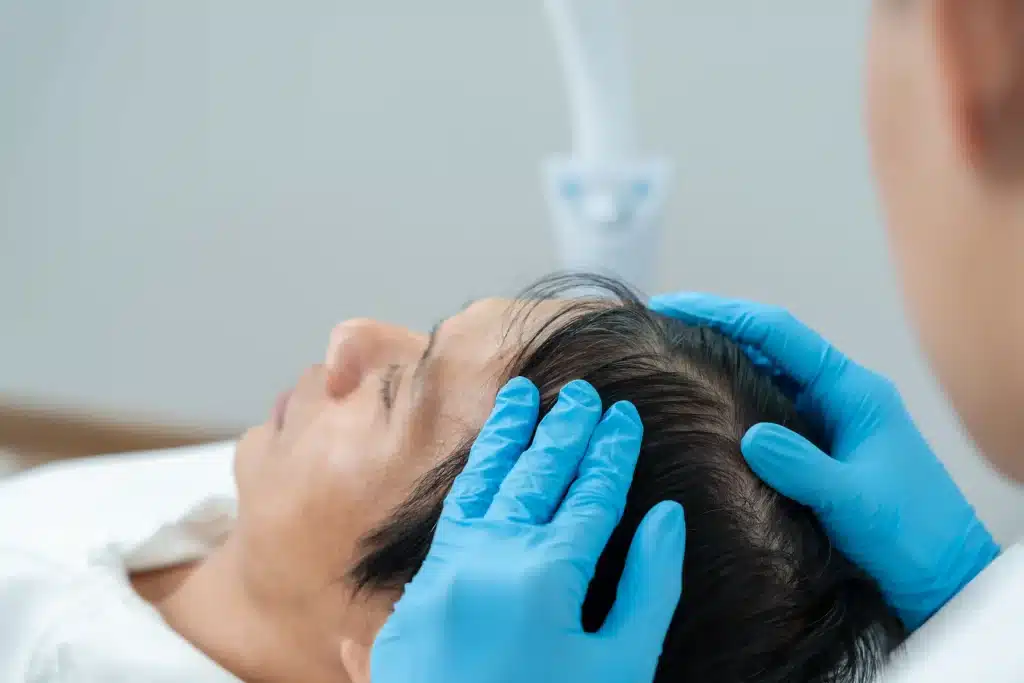
TrichoLab offers Immunolock Scalp Treatment to target the root causes of scalp irritation and restore the scalp’s natural balance. The treatment includes a thorough scalp analysis to identify specific issues and for us to tailor the treatment to your needs. It addresses inflammation, reduces itching, and promotes a healthy scalp environment, making it an effective solution for persistent scalp issues.
To learn more about our itchy scalp treatments in Singapore, book an appointment now.